
Jasmine smells of past summers, of warm evenings on the balcony, of garden corners where the scent arrives before you even notice the flowers. Are you a lover of this plant but in July you find yourself with green branches and very few buds? Know that it doesn’t just depend on chance or a bad season, because the flowering of jasmine requires two simple attentions: targeted pruning and intelligent irrigation, useful for stimulating the production of new flowers even in the hottest weeks.
Because July is the right month to intervene
Common belief sees jasmine pruning to be carried out exclusively at the end of winter. That’s correct, but it’s not enough. In the month of July the plant has already completed the first flowering cycle (if we are talking about officinal jasmine and/or false jasmine) or is about to enter the most luxuriant phase (if you have summer jasmine). In both cases, a small green pruning can stimulate the plant to send out new lateral branches, those that bear the most fragrant buds, as well as lighten the foliage to promote air circulation, a situation which reduces the risks of fungal diseases due to summer humidity.
Green pruning: how to do it without errors
There’s no need to cut drastically, so remember not to overdo it. Arm yourself with very sharp and clean scissors and limit the intervention to the branches that have already flowered and which appear bare or too long. Shorten the length of the branches by about a third, always cutting above an outward-facing bud. In this way the jasmine will respond with new lateral shoots, which will soon bring buds ready to open between the end of August and September, prolonging the flowering period and keeping the plant tidy.
Pay attention to watering: neither too much nor too little
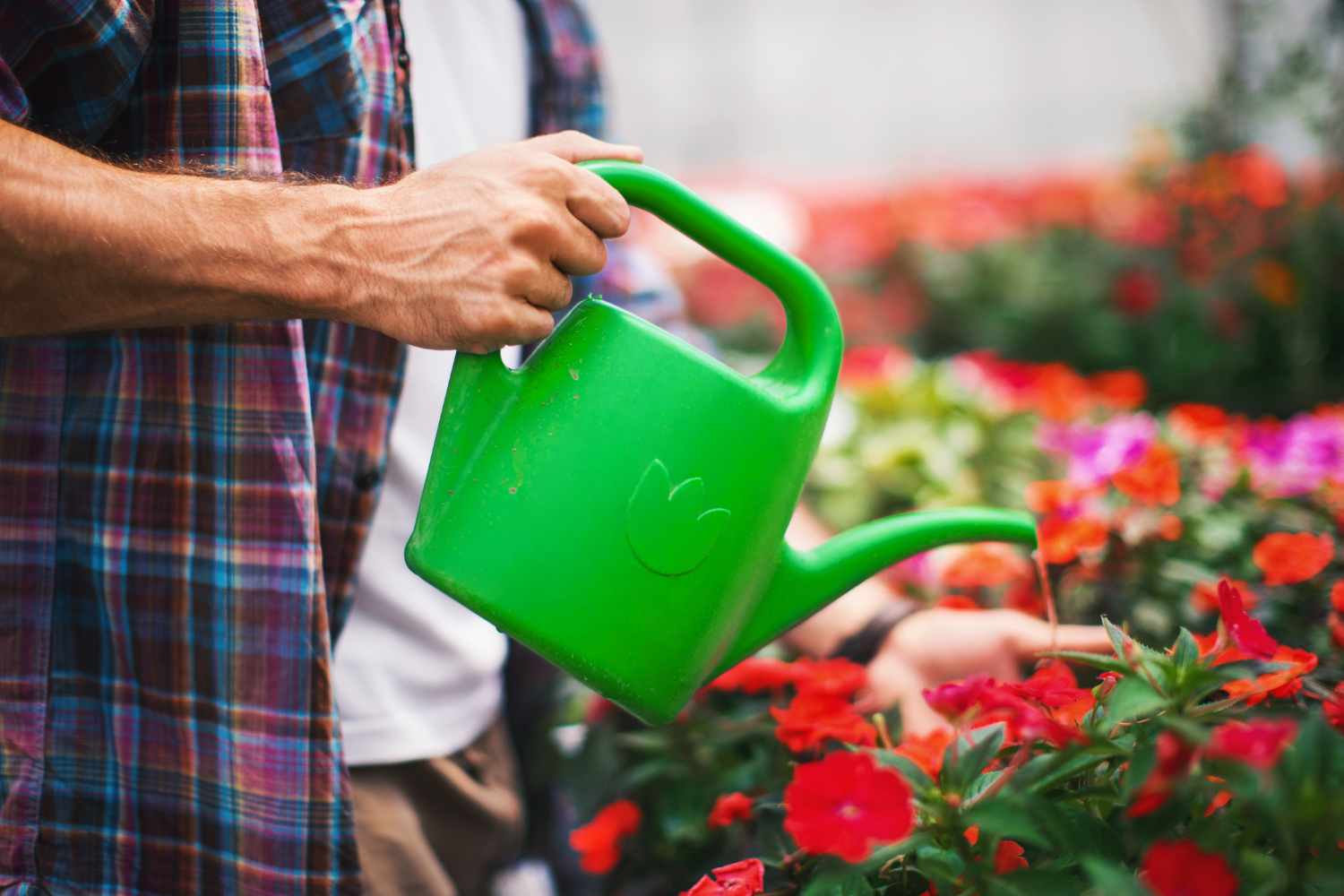
Jasmine, especially in hot periods, does not like water stress but also fears stagnation. Abundant watering, to be done once or twice a week, will be more than sufficient for plants in open ground, to be increased slightly during heat waves. If you grow jasmine in a pot, check that the soil dries out in the first few centimeters before watering again, and remember not to leave water in the saucer. Constant but not excessive humidity stimulates the plant to flower without suffering shock, ensuring that the leaves are bright green and the buds are well formed.
Fertilization: an extra boost for flowers
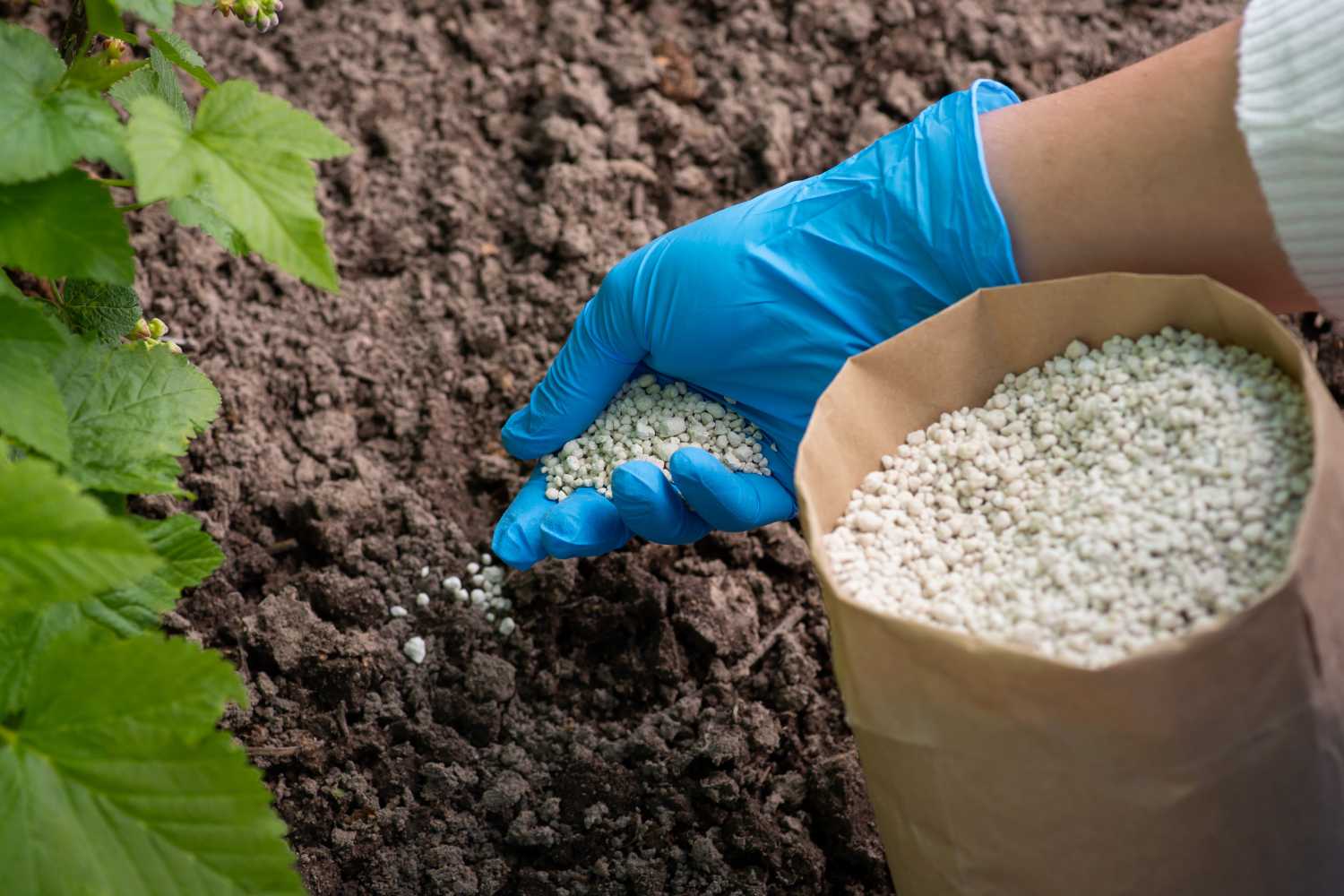
July is also the right month to administer a balanced fertilizer with a good potassium component, essential for flowering, and nitrogen in moderate quantities. You can opt for a liquid fertilizer for flowering plants, to be diluted in the irrigation water every two weeks, or for a slow-release granular fertilizer to be distributed on the soil, following the instructions on the package.
Pest and disease control
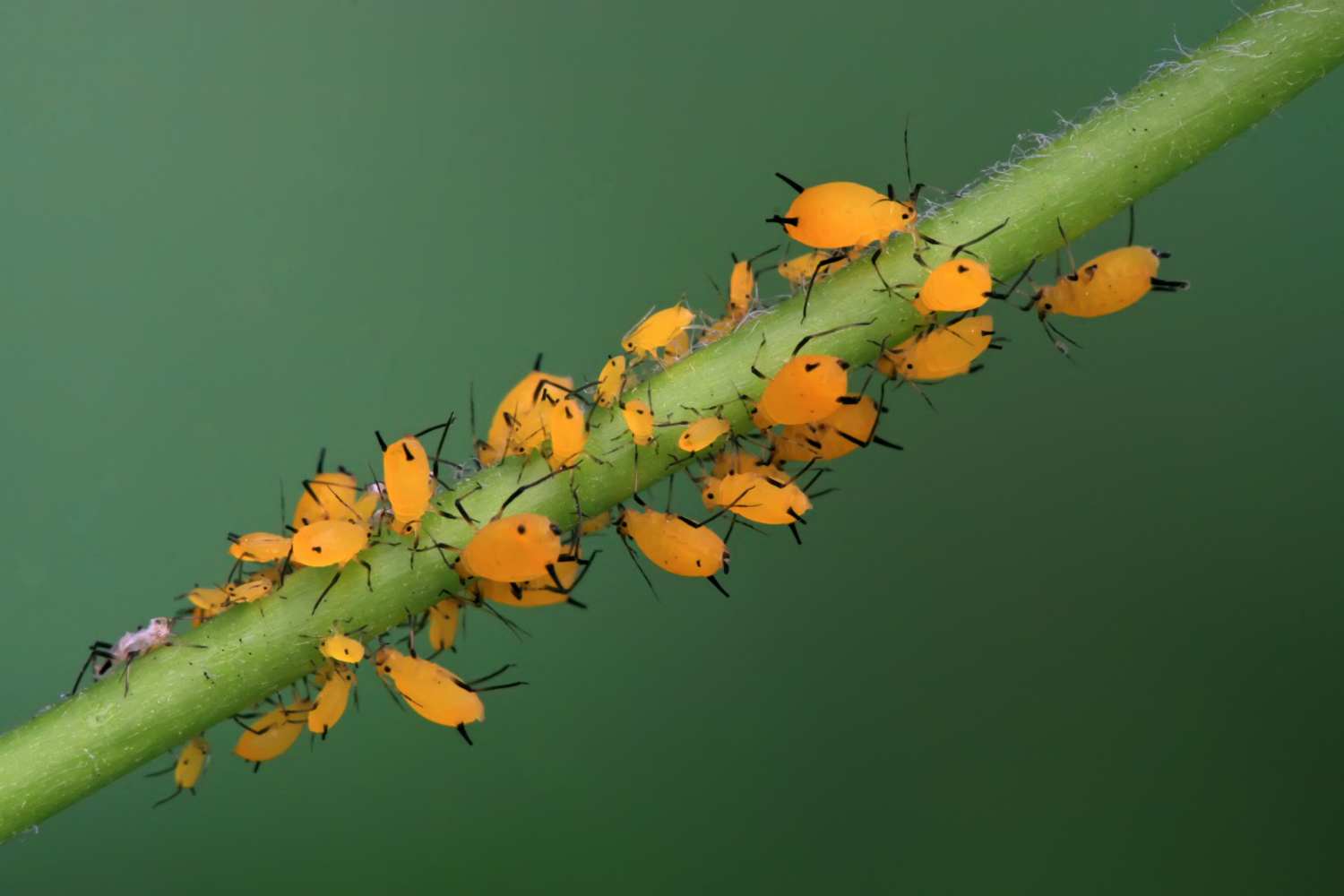
During the month of July, jasmine can be attacked by aphids and scale insects, which suck the sap and weaken the flowering branches. Check the leaves regularly, especially the younger ones, and remove any parasites with a jet of water or, if the infestation is extensive, use a soft potassium soap, or a specific organic product. A pest-free jasmine will be more vigorous and ready to produce new flowers.
A small summer ritual that pays off
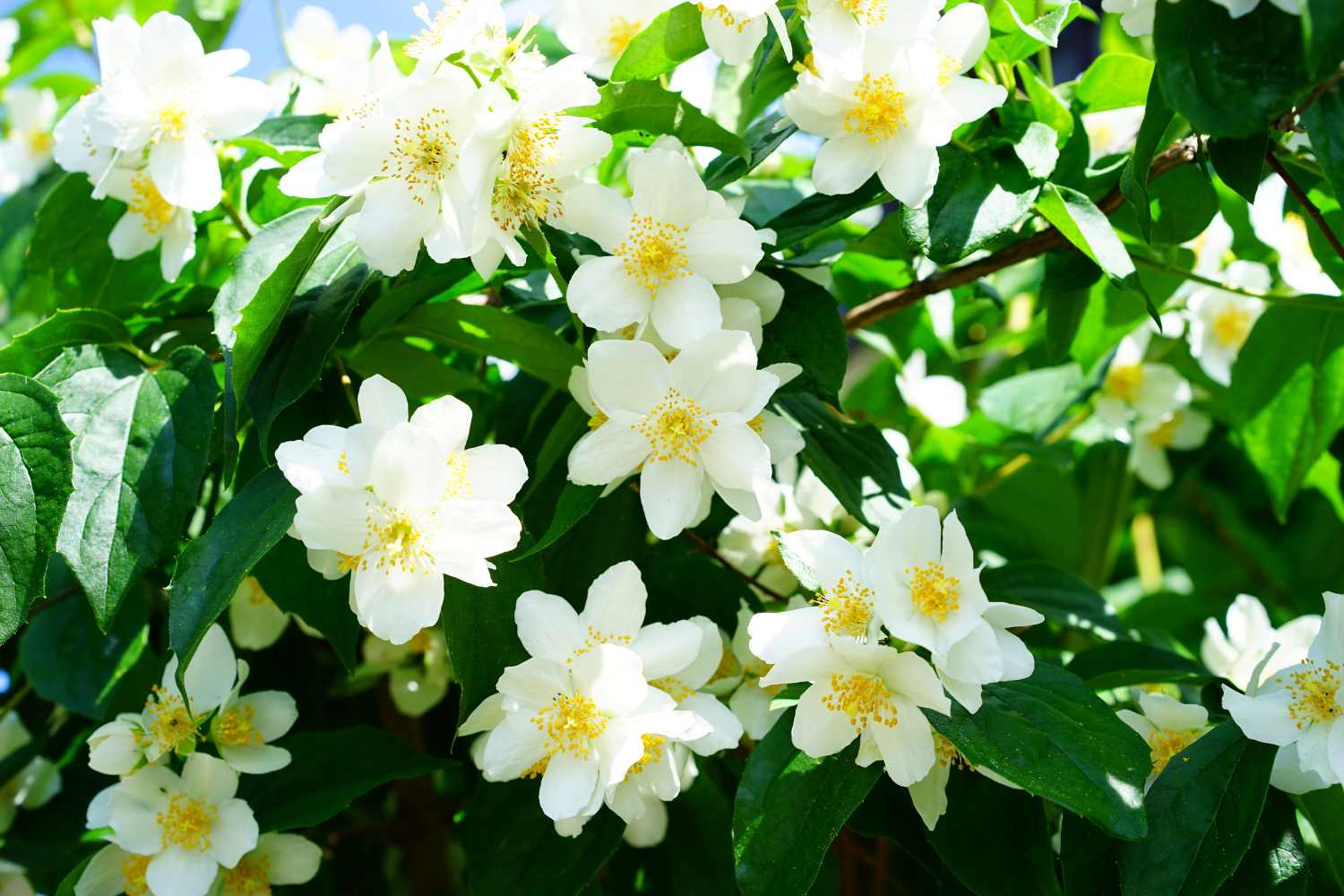
Thanks to the interventions just observed, a small summer ritual that takes just a few minutes, you will be able to allow the plant to regenerate and fill terraces, fences and pergolas with new bunches of fragrant flowers even in the hottest months. Sometimes just this is enough: a few targeted cuts, correct watering and patience in knowing how to wait for the new shoots to appear.
Happy summer!
Don’t want to miss our news?
