
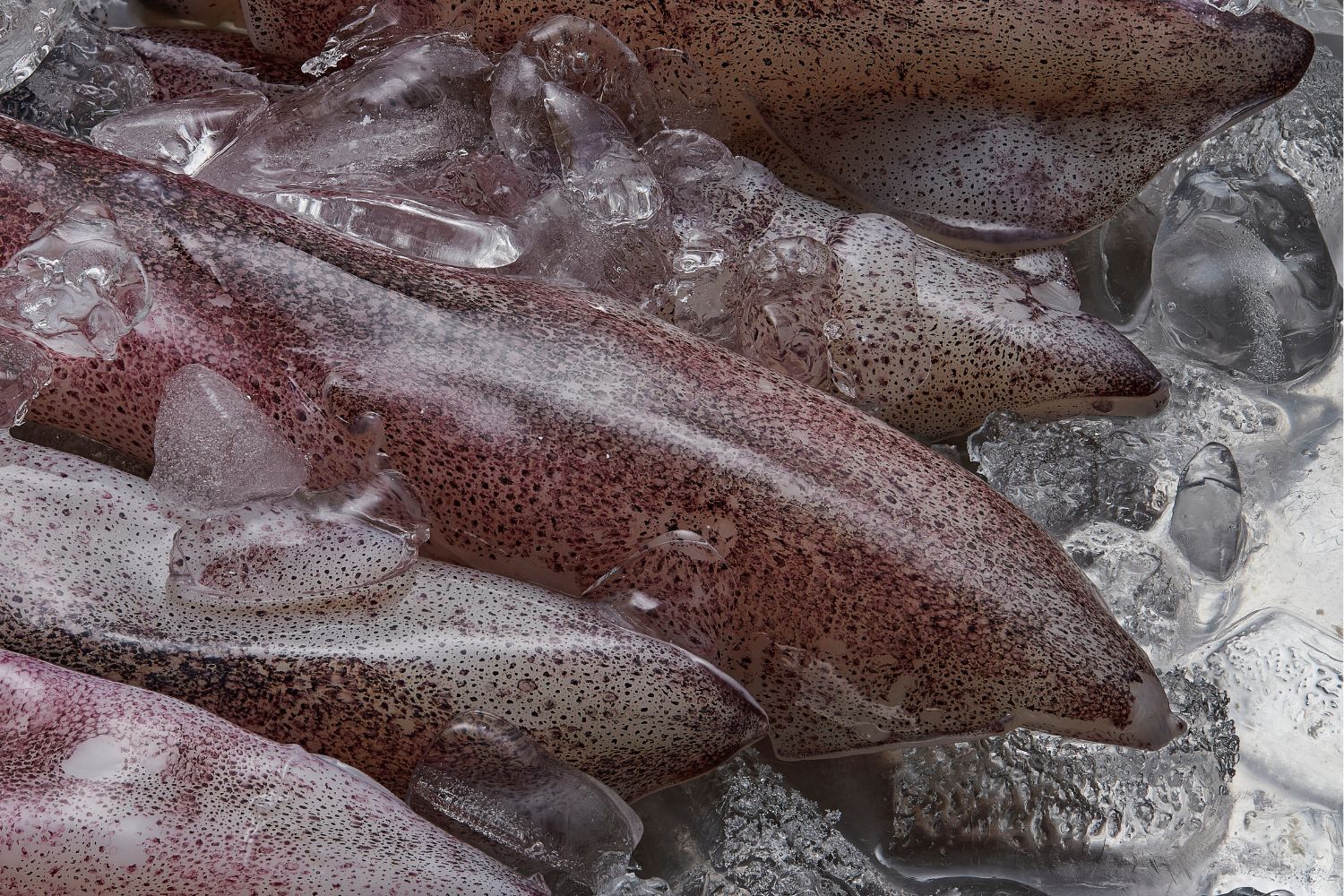
Intensive fishing does not stop, despite alarms and repeated attempts at regulation: it destroys ecosystems and escapes controls. the shock report ofEnvironmental Justice Foundation on squid fishing it shows us a worrying picture, often made up of forced labour, shark finning, deaths among the crew, as well as fish arriving on the market without guarantees on the origin or clarity on the human and environmental cost it hides.
What is intensive fishing (and why is it so dangerous for the environment)
Intensive fishing is a practice, as the name suggests, which involves a massive extraction of marine resources destined for markets all over the world. The trawling technique, in particular, was banned in 2006 in the Union in Natura 2000 sites in the Mediterranean designated for the protection of seagrasses, coral habitats and maërl beds.
But, as explained by MedReAct, a non-profit association that proposes actions for the recovery of the Mediterranean Sea, the ban still remains largely unapplied by the Mediterranean countries of the European Union itself.
Attempts to limit these practices arise from objective data: the withdrawal of excessive marine resources is literally emptying our seas, thus causing very serious alterations to marine ecosystems, with already evident and unpredictable (but certainly not positive) consequences in the medium to long term.
The investigation and the results
THE’Environmental Justice Foundation interviewed more than 430 fishermen who worked aboard 249 squid trawlers in the northeast Indian Ocean, southeast Pacific, and southwest Atlantic.
It was their testimonies that painted a chilling picture of both human and animal exploitation, with forced labor, shark finning (a cruel practice), deaths among the crew as well as a total lack of guarantee on the catch or tracing of its origins.
This is the hidden reality behind the world’s squid fishing fleet when no one controls it
writes the foundation
©Environmental Justice Foundation
A situation out of control
As stated in the report, the global squid market is worth 12.7 billion dollars (almost 11 billion euros), and the main buyers are the European Union, the United States, China, Japan and South Korea.
The fleets supplying these markets operate on the high seas, outside national jurisdiction, without effective oversight and, in most cases, without any international multilateral body with the mandate or will to impose limits
And it is precisely the “high seas” that create this situation, because it is the area outside the 200 nautical mile zones of maritime countries.
The 2023 winners of Tyler Prize for Environmental Achievementconsidered the “Nobel Prize for the Environment”, the marine biologist Daniel Pauly and fisheries economist Rashid Sumaila in fact they declared in this regard:
Winning this award gives us the opportunity to spread an urgent, evidence-based message: all high-seas fishing should be banned
What arrives on our tables is completely “unknown”: consumers, specifies the foundation, do not have sufficient information to make an informed choice, and high-risk products continue to arrive on international markets every day.
Meanwhile, governments, importers and distributors risk supporting, often unconsciously, a model based on exploitation and opacity
The report is available here.
