

There are places that captivate even before being visited and Tropea is undoubtedly one of these. Perched on a promontory overlooking the Tyrrhenian Sea, in the heart of the Coast of the Gods, this town in the province of Vibo Valentia offers a spectacle that seems straight out of a postcard. On one side the historic center built on the rock, on the other a transparent sea that fades from turquoise to intense blue.
@RebeccaManzi/GreenMe
Our day started right here, with the desire to experience both souls of the city: the seaside one and the historical one. If three days allow you to get to know the area well, even a shorter visit allows you to discover its main attractions and be surprised by an atmosphere that changes completely from day to evening.
@RebeccaManzi/GreenMe
A day between white beaches and crystal clear waters of the Costa degli Dei
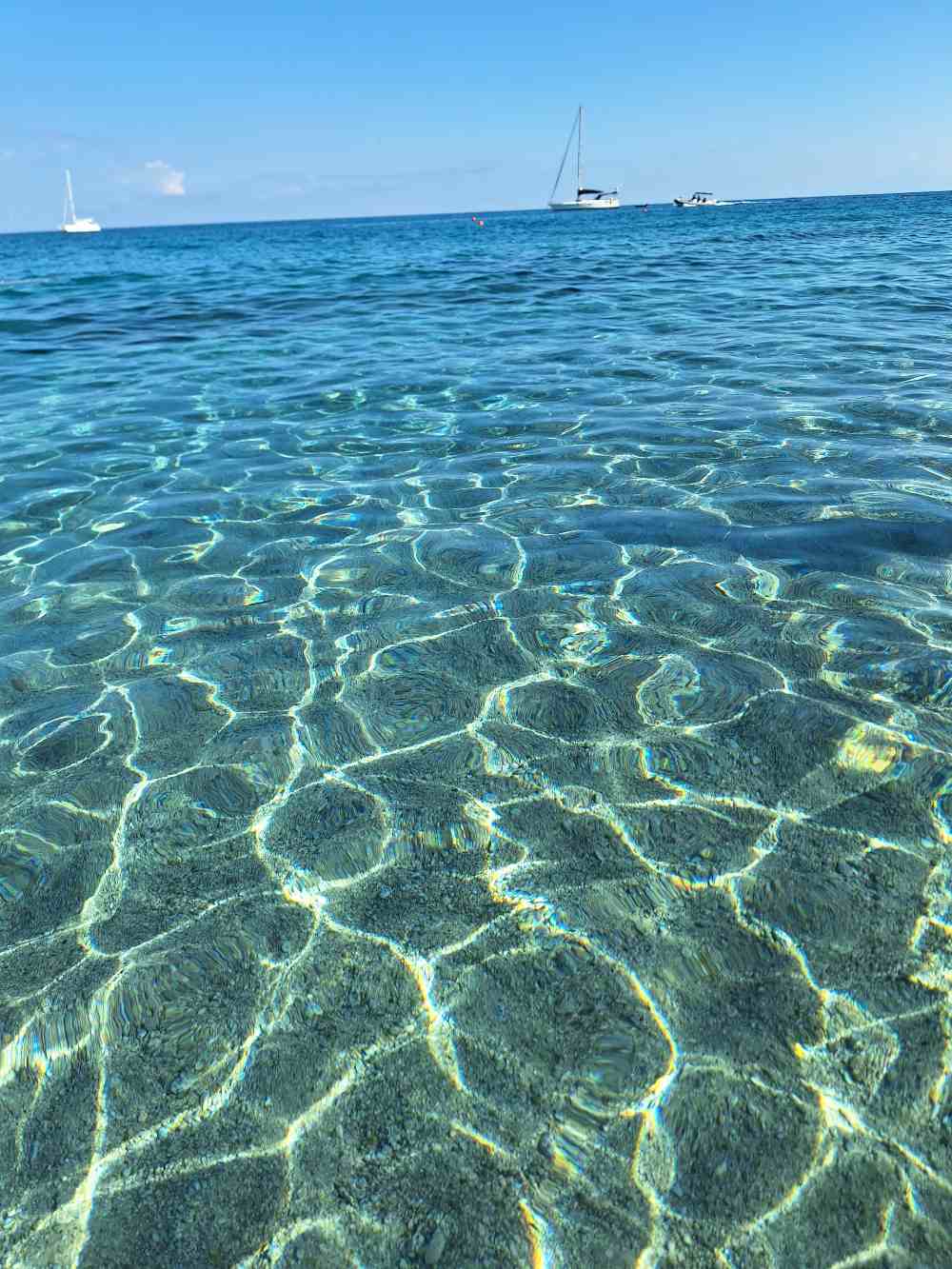
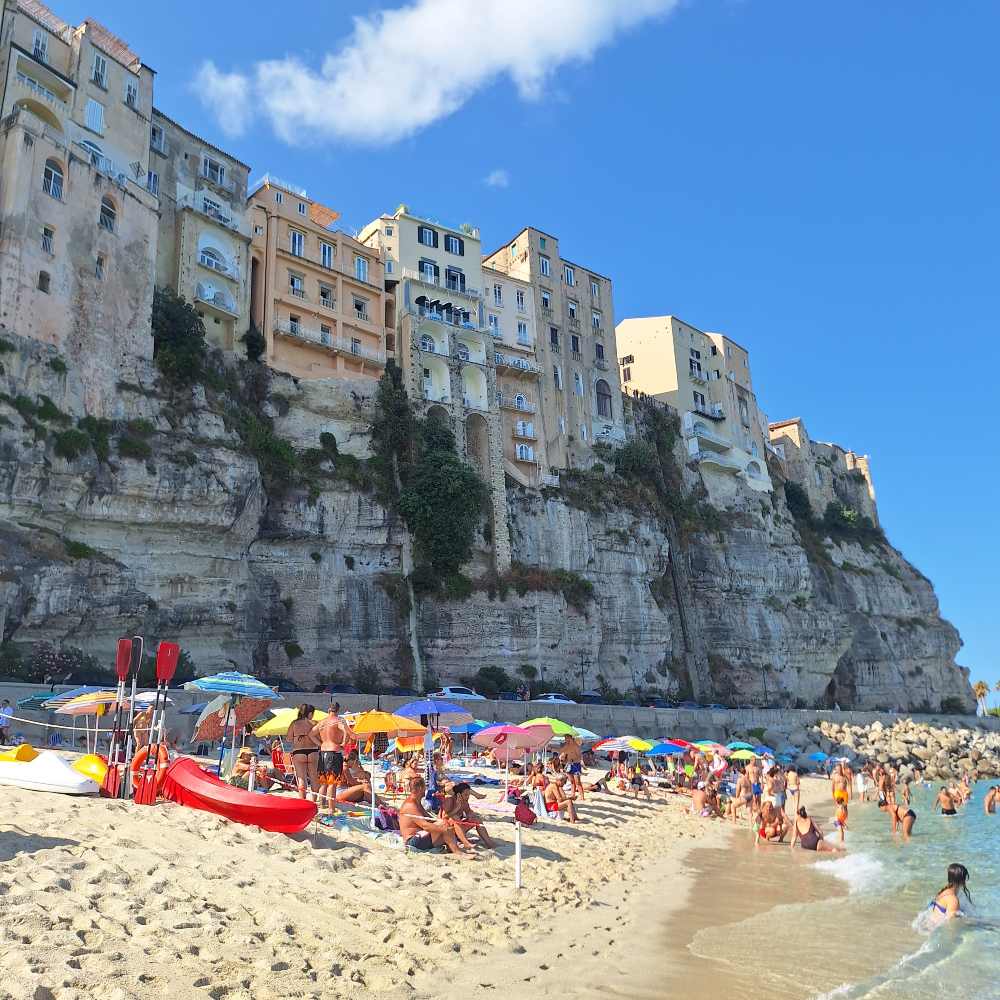
Before getting lost among the alleys and squares, we decided to dedicate ourselves to the sea, the true protagonist of Tropea’s fame. The beaches can be easily reached from the center via stairways and paths that lead towards a coast characterized by light sand, rocks and incredibly clear water.
@RebeccaManzi/GreenMe
Among the best known beaches are Spiaggia della Rotonda, Spiaggia del Cannone, Marina dell’Isola and the large beach called ‘A Linguata, also much appreciated by snorkelling lovers thanks to its transparent seabed. Along this stretch of coast, establishments and free beaches alternate, while the view of the Tropea promontory makes each stop even more evocative. From Marina dell’Isola it is also possible to reach the spectacular Grotta del Palombaro, across the cliff, by swimming or by pedalo.
@RebeccaManzi/GreenMe
The Sanctuary of Santa Maria dell’Isola dominates one of the most beautiful panoramas in Calabria
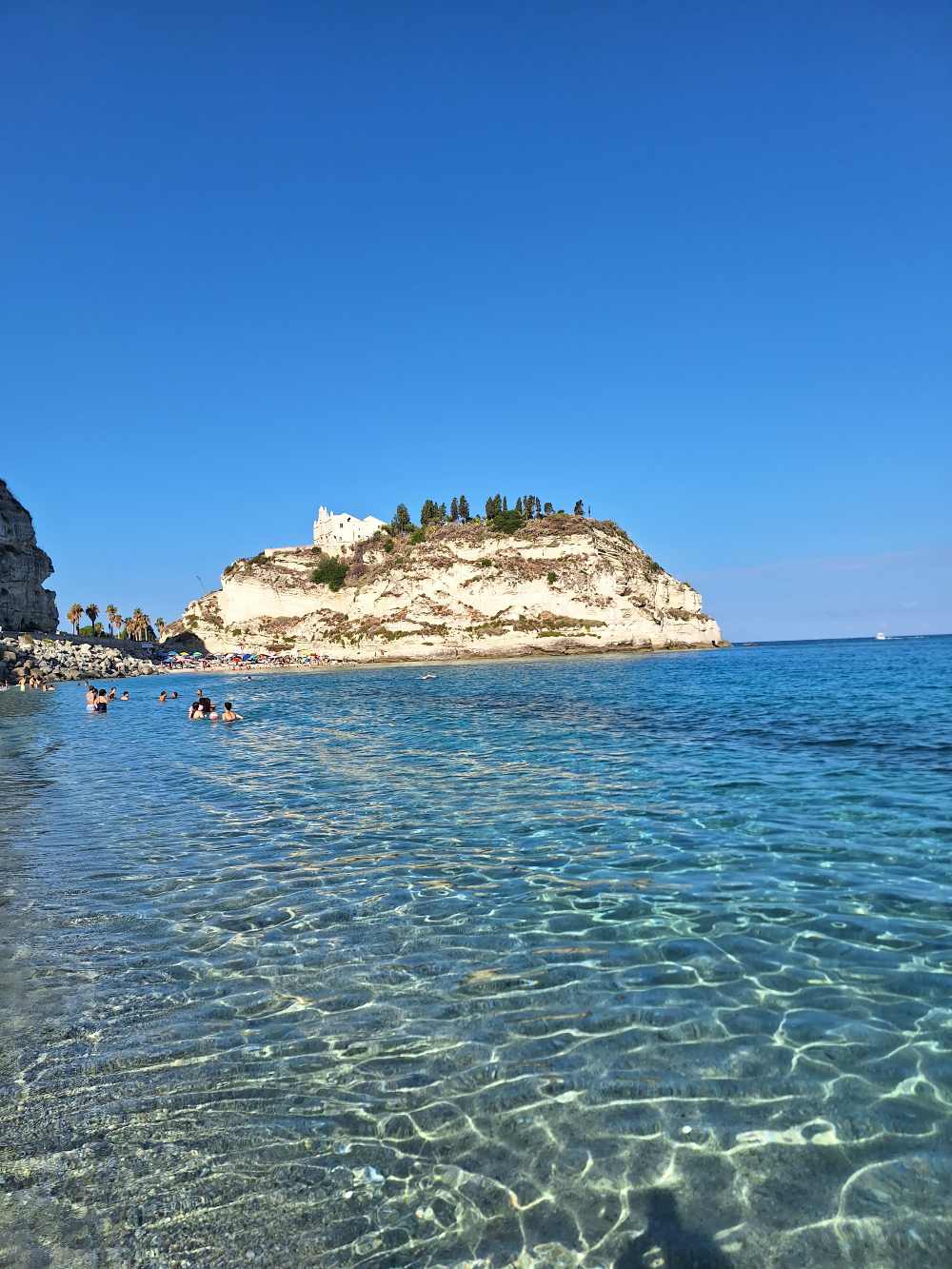
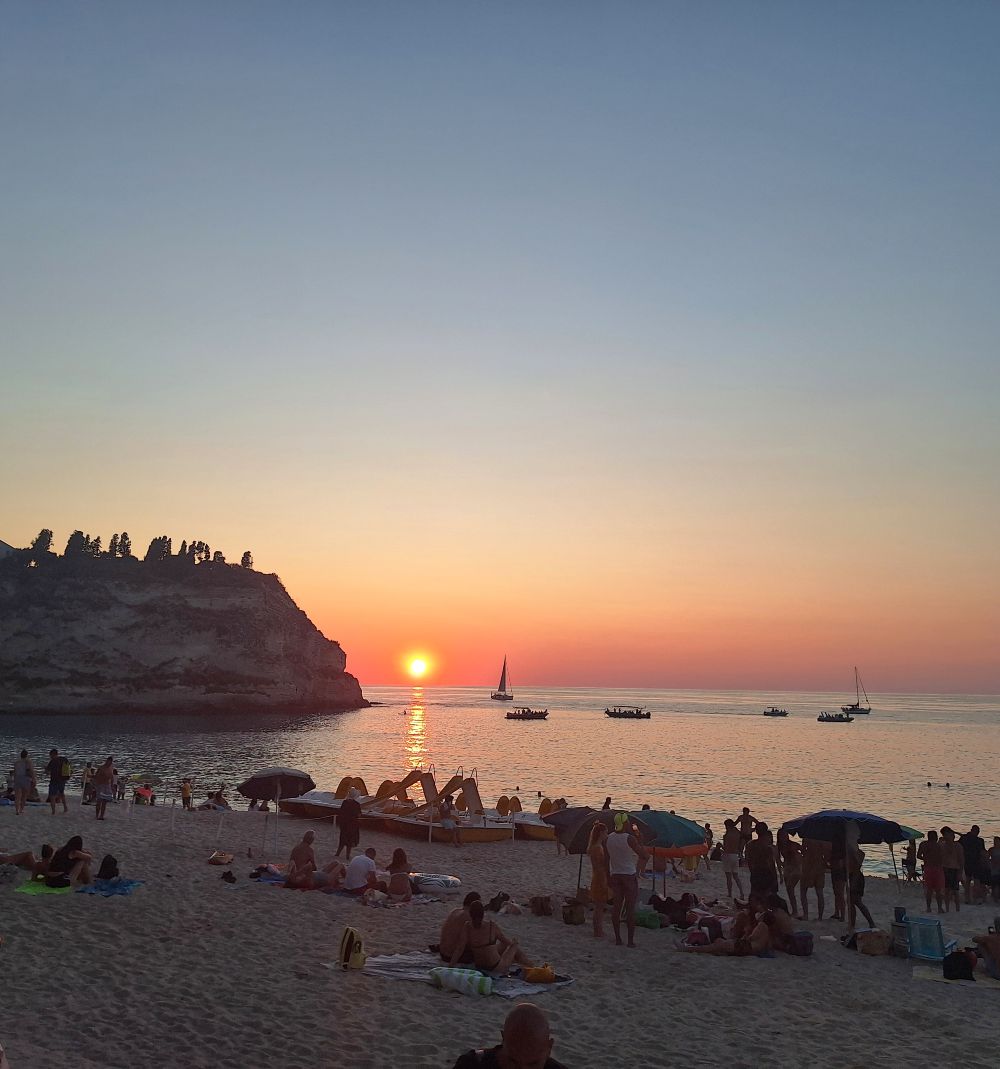
After the sea, the obligatory stop is the absolute symbol of the city: the Sanctuary of Santa Maria dell’Isola, built on a rock that emerges in front of the village. Its scenic position has transformed it into the most representative image of Tropea and one of the most photographed places in Calabria.
@RebeccaManzi/GreenMe
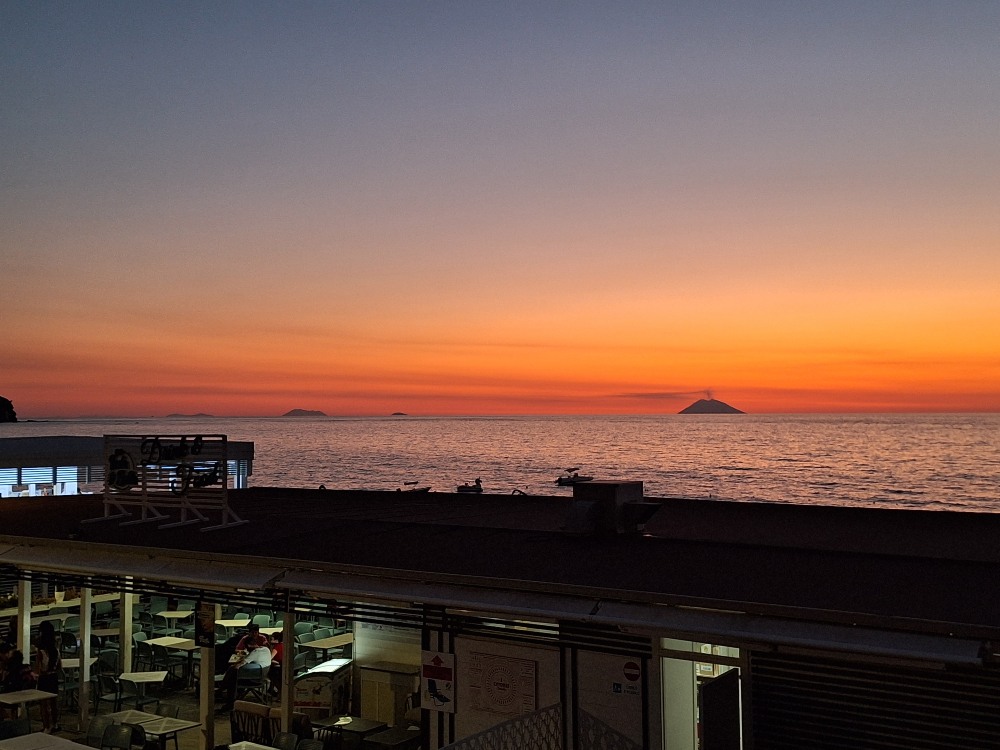
To reach it you have to go down a staircase carved into the rock. Entrance to the church is free, while access to the panoramic botanical garden costs 3 euros. From here the view extends along the Costa degli Dei to Punta Riace and Punta Zambrone and, on clear days, you can also distinguish the Aeolian Islands, with Vulcano, Stromboli and even Etna in the background. Inside the sanctuary there are eighteenth-century statues of the Holy Family which are carried in procession every year on August 15th. It goes without saying that from here and from the beach below you can admire breathtaking sunsets that literally bewitched us.
@RebeccaManzi/GreenMe
@RebeccaManzi/GreenMe
Walking in the historic center among churches, palaces and views of the sea
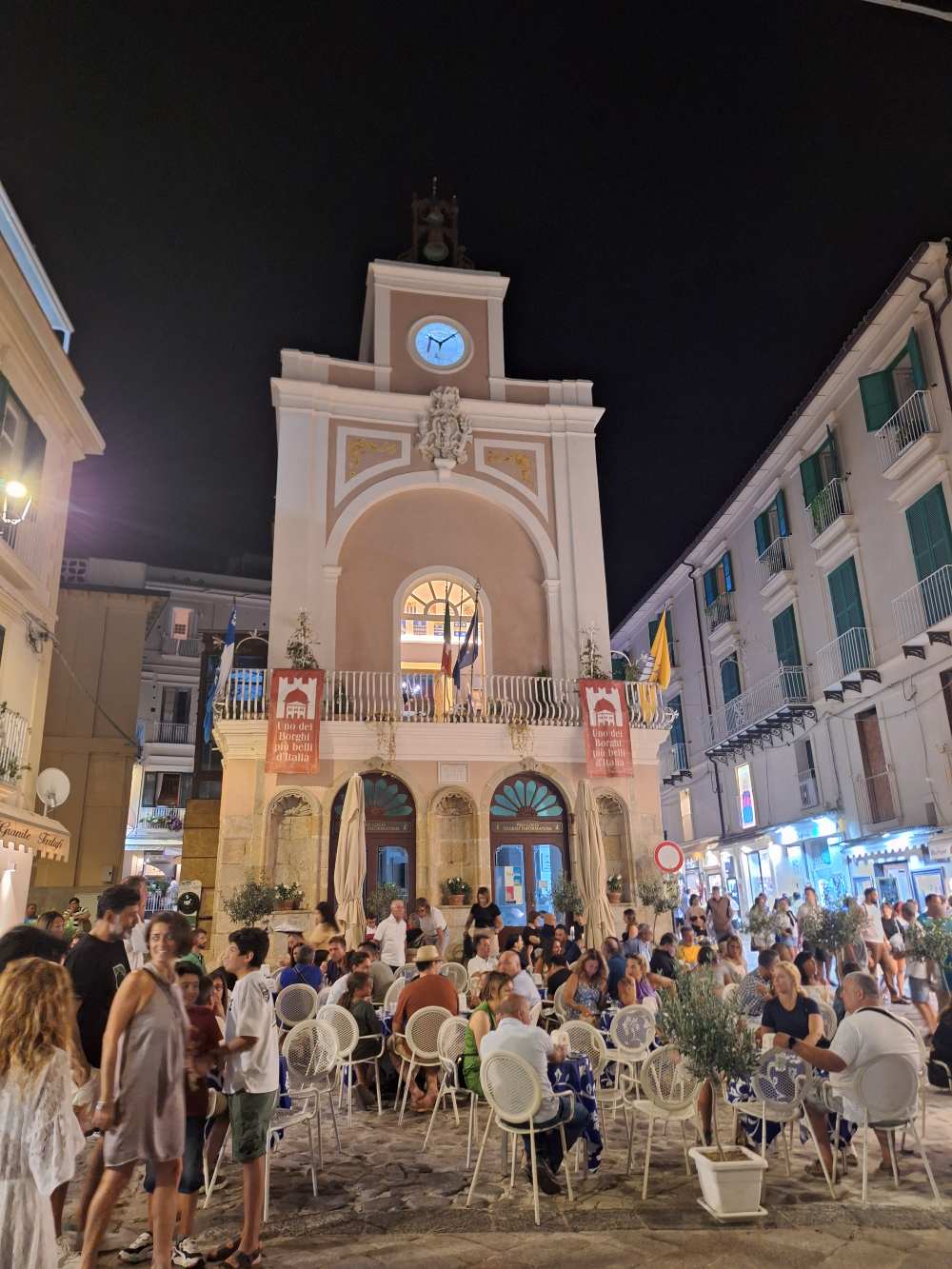
After the visit to the sanctuary, we immersed ourselves in the historic center, a tangle of alleys, small squares, craft shops and places where the famous red onion of Tropea appears practically everywhere, from gastronomic products to souvenirs.
The heart of the city preserves buildings from the Angevin and Aragonese era, with elegant noble palaces, coats of arms and balconies directly overlooking the sea. Piazza Ercole, the authentic center of city life, and Piazza Vittorio Veneto are worth a visit, as well as historic buildings such as Palazzo Toraldo and Palazzo Santa Chiara, which houses the Sea Museum.
@RebeccaManzi/GreenMe
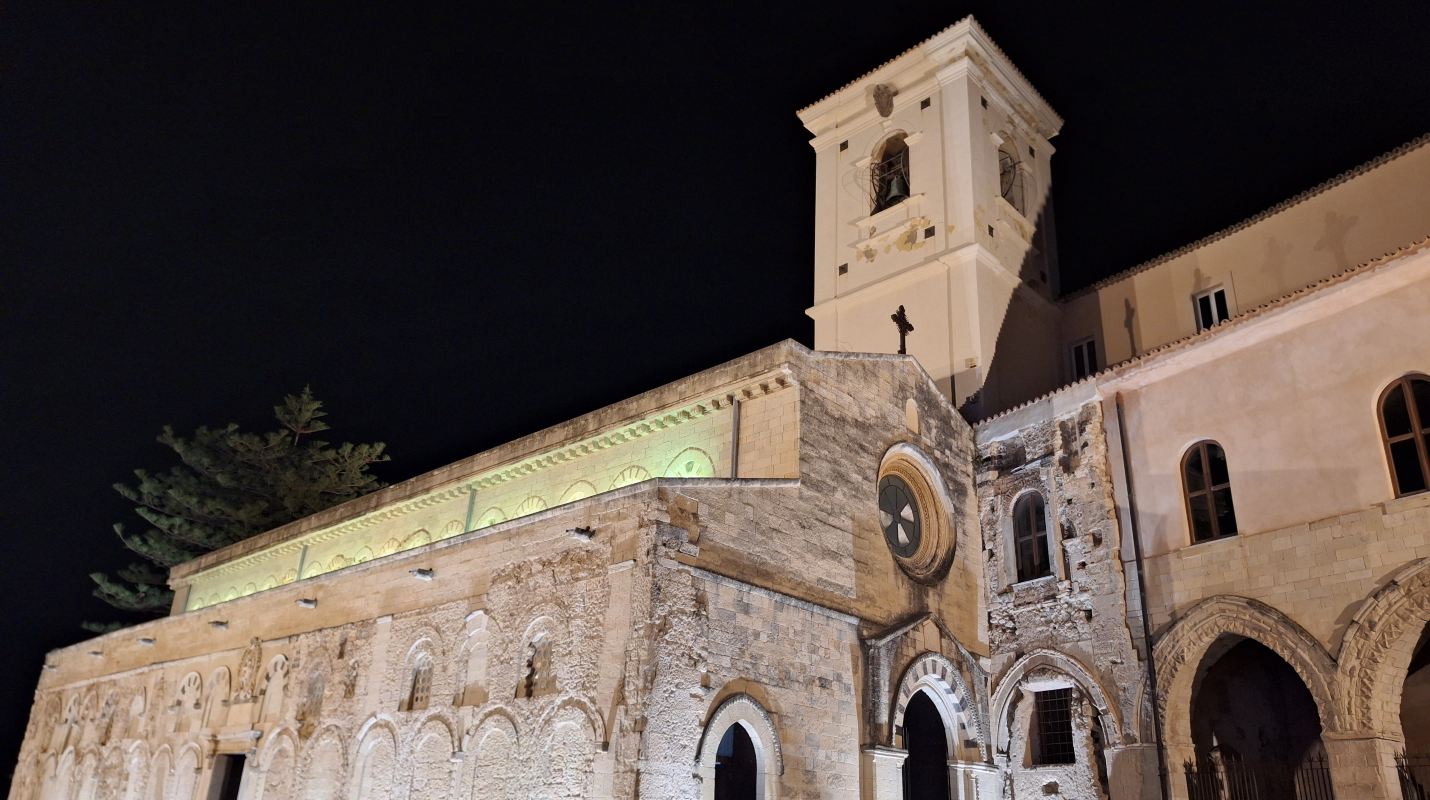
Among the religious monuments, the Cathedral of Holy Mary of Romania stands out, built by the Normans in the 12th century on the remains of an ancient Byzantine cemetery. Inside there are works of great artistic value, including the painting of the Blessed Virgin Mary of Romania, attributed to a pupil of Giotto, an eighteenth-century pulpit and an imposing seventeenth-century wooden crucifix. Next to the cathedral is the Diocesan Museum, which can be visited with a 2 euro ticket, which preserves paintings, medieval finds and numerous works from the ancient churches of the city.
@RebeccaManzi/GreenMe
When the sun goes down Tropea changes face and the village fills with life
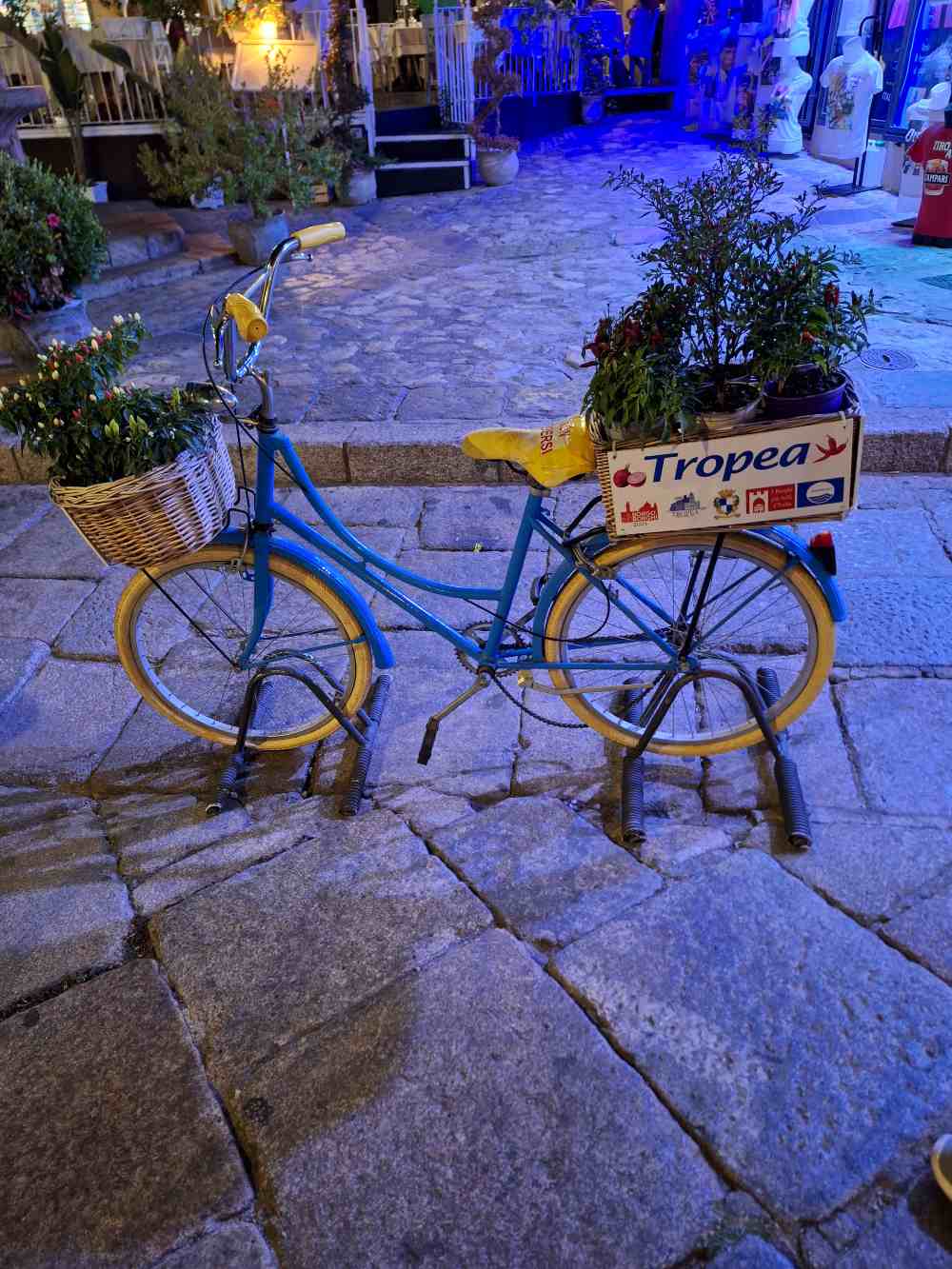
The most amazing part of our visit came as the sun set. If during the day Tropea invites you to relax among beaches and views, in the evening the village is completely transformed. The illuminated streets are filled with people, the restaurant tables overlook the squares and the numerous clubs enliven the center with a lively but elegant atmosphere.
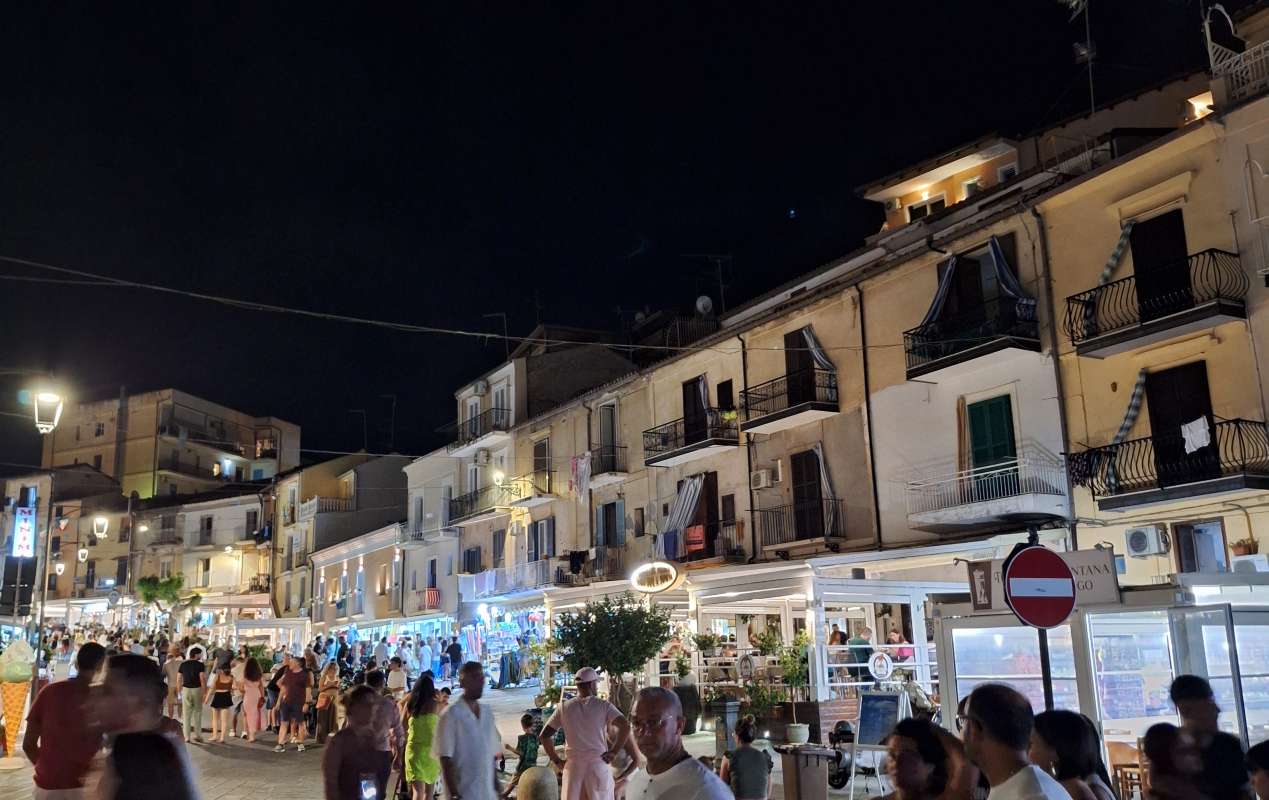
@RebeccaManzi/GreenMe
Walking through the alleys means alternating glimpses of the sea with shops, ice cream parlors and restaurants where you can taste local specialities. From the viewpoints of Largo Galluppi, Largo Migliarese, the Cathedral Belvedere and above all Piazza del Cannone, the view of the illuminated Sanctuary of Santa Maria dell’Isola makes the evening even more evocative.
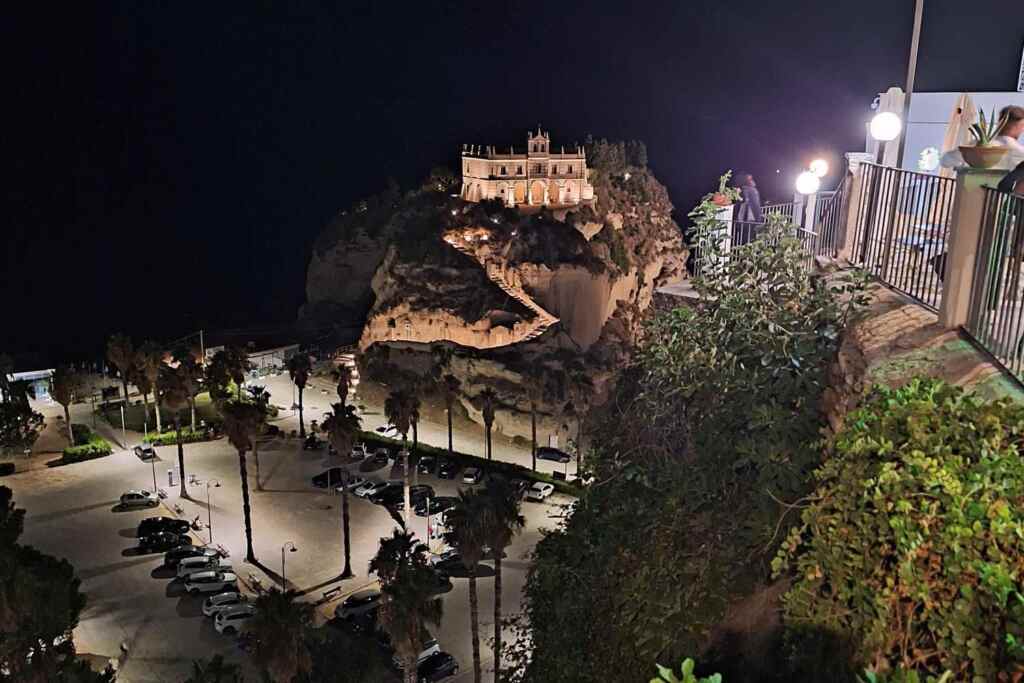
@RebeccaManzi/GreenMe
We arrived thinking we would find a splendid seaside resort and we left with something more: the memory of a city that manages to combine spectacular beaches, history, art and a lively evening life, demonstrating why Tropea continues to be one of the most loved destinations in the whole of Calabria.
