
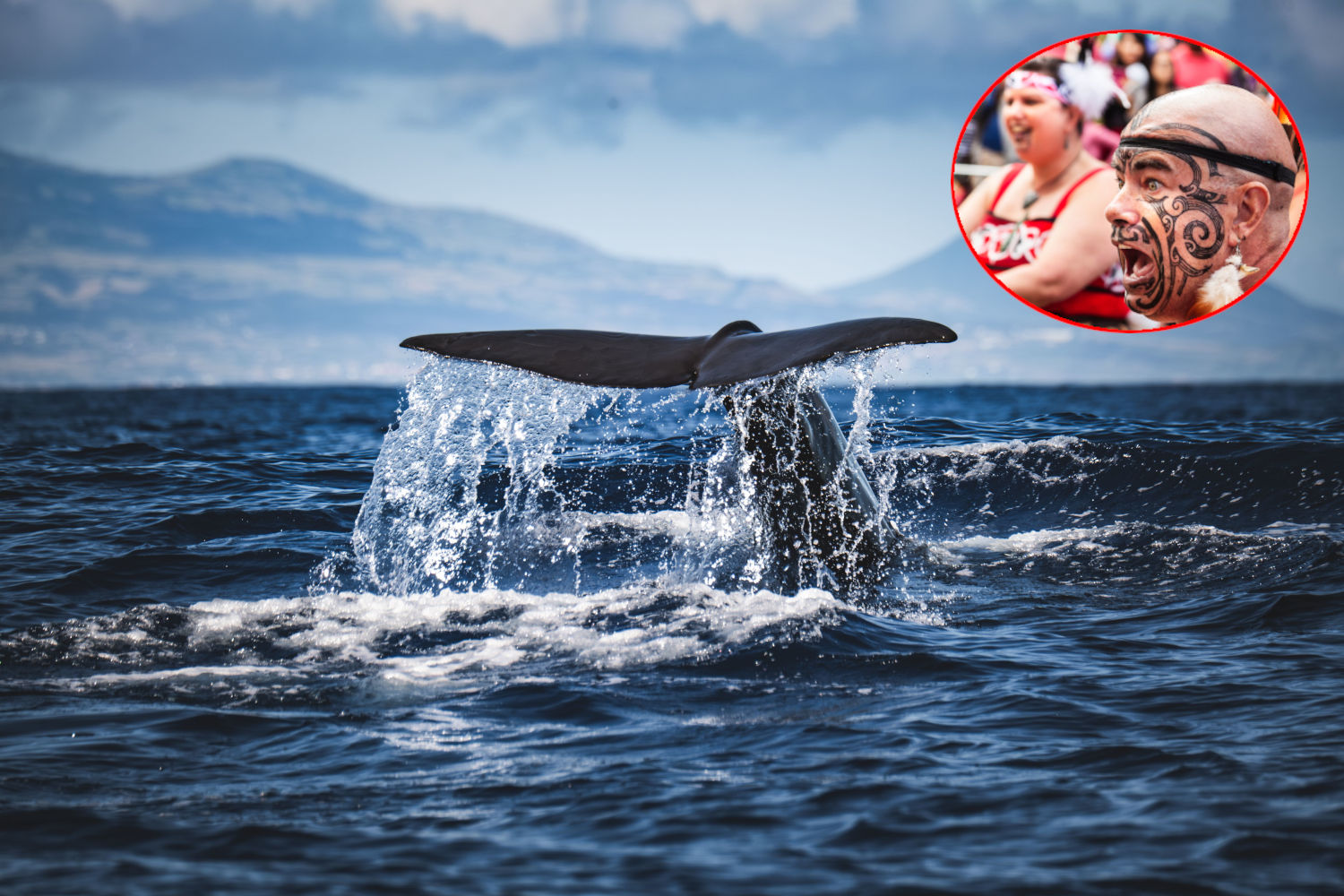
A sea change in ocean conservation is taking shape in New Zealand’s Wellington Parliament. New Zealand Green Party MP Teanau Tuiono has presented a legislative proposal intended to rewrite the relationship between humanity and nature: the Tohorā Oranga Bill. The law intends to grant Pacific whales a real legal personality, transforming the large marine mammals from exploitable natural resources to subjects of law.
If the text were to complete its parliamentary process, species such as sperm whales, fin whales, orcas and pilot whales would gain inviolable legal protections, including freedom of migration, the right to a healthy environment and the protection of their social structures. The measure aims to combat noise pollution, intensive fishing, ship collisions and threats from underwater mining.
Indigenous roots and the Declaration for the Ocean
This historic initiative rests on the foundations of tikanga Māori, the traditional law of the indigenous people of Aotearoa, according to which cetaceans are sacred ancestors and priceless treasures referred to as taonga. The proposal builds on the legacy of the 2024 agreement known as He Whakaputanga Moana, the Declaration for the Ocean signed by Polynesian leaders, including the late Māori King Kīngi Tuheitia. The formative process of the law saw the fundamental contribution of the Ngāti Wai tribe and the Hinemoana Halo Ocean Fund association, committed to translating the concept of te mana o te tohorā, or the spiritual authority recognized to these majestic inhabitants of the sea, into articles of law.
Legal consequences and historical precedents of the New Zealand model
The introduction of legal personality would allow lawyers and legal guardians to take legal action to defend the interests of whales harmed by humans. Each administrative authority will be required to assess the impact of industrial or maritime projects on the welfare of marine wildlife before granting approvals for coastal or shipping route developments.
New Zealand is no stranger to similar legal innovations based on Earth Law: the State has already attributed subjective rights to natural elements such as the Whanganui River, Mount Taranaki and Te Urewera National Park. Through the Tohorā Oranga Bill, the nation seeks to extend this ecocentric model to the open ocean, proposing to the world a vision in which indigenous ancestral wisdom becomes the primary tool for saving the planet.
