
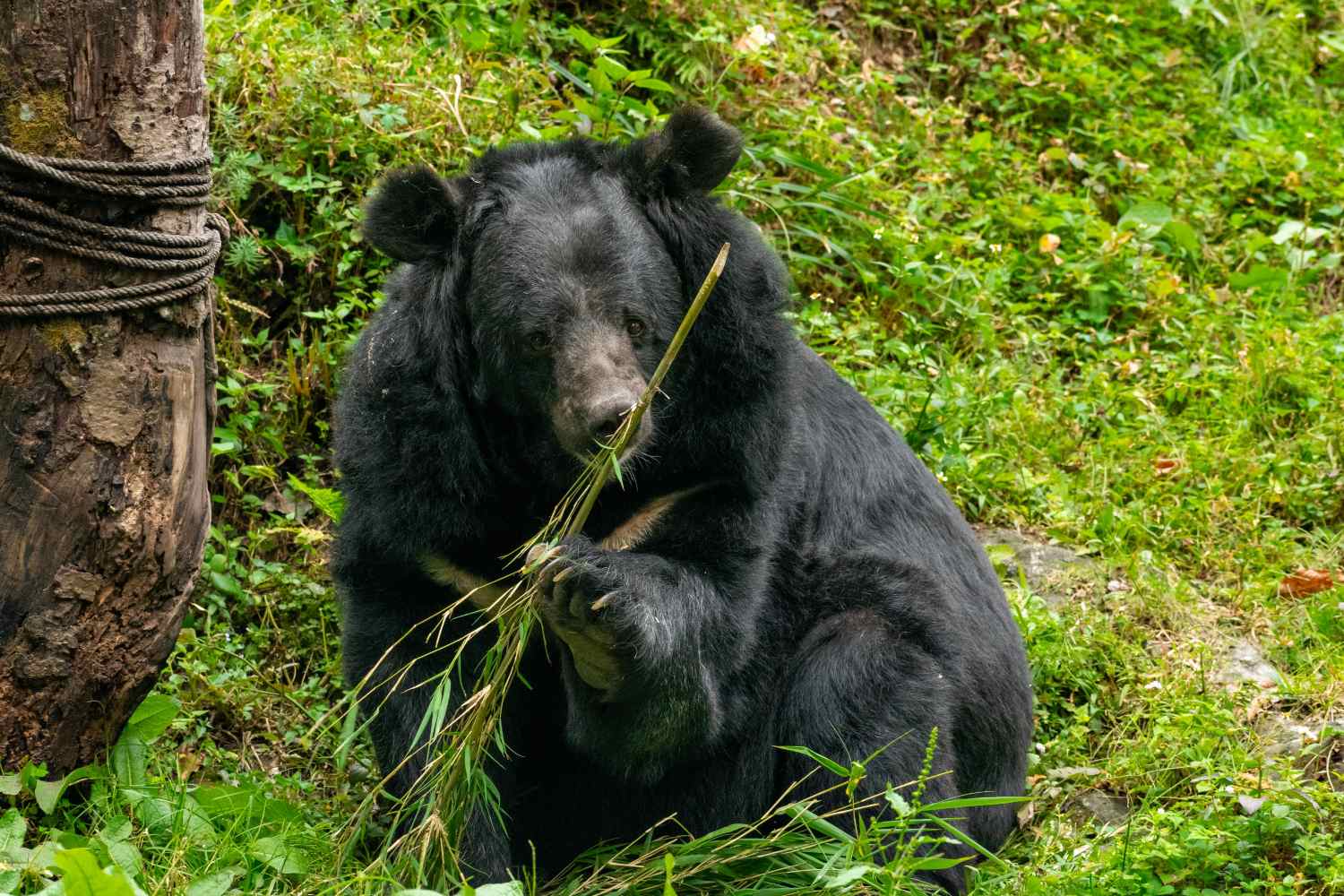
An unprecedented wildlife emergency is shaking Japan, where a trail of deadly attacks has pushed authorities to take drastic measures. Between April 2025 and January 2026, the country killed more than 14,000 bears, including approximately 12,000 Asiatic black bears and 2,000 brown bears. The drastic measure came following a record year in which there were over 230 attacks on people and 13 victims, concentrated mainly in the northern prefectures of Akita and Iwate.
The causes of the attacks
The main cause of the phenomenon is linked to climate change: the anomalous heat has compromised the production of beech trees and acorns, pushing the plantigrades to descend from the woods towards inhabited centres. At the same time, the depopulation of rural areas and the abandonment of orchards have eliminated the natural boundaries between wild habitat and human communities. The repercussions on daily life and the economy were immediate.
Several foreign governments have updated their travel guidance, insurance companies have introduced anti-bear policies to cover property damage, and farmers have even installed robotic wolves with glowing eyes to scare away the animals. Despite the massive culling campaign, the threat persists: since April there have already been six deaths and more than 35 injuries, prompting the government to plan the elimination of a further 8,800 specimens for the current fiscal year.
The alarm of experts and the risk of regional extinction
However, the extent of the killings has raised strong controversy from biologists. The Asiatic black bear is classified as a vulnerable species by the International Union for Conservation of Nature, with an estimated population in Japan of around 42,000 individuals. Yuko Muroya, president of the Japan Bear and Forest Society, expressed deep concern, underlining how such a drastic decline puts the survival of the species at risk at a regional level, without however solving the root of the problem.
Along the same lines, biologist Dave Garshelis, co-chair of the IUCN expert group on bears, points out that estimates of the real population could be imprecise and that eliminating a quarter of the bears risks causing an unexpected demographic collapse. Furthermore, international wildlife management experts point out that indiscriminate hunting unbalances the balance without reducing accidents in the long term, suggesting instead the use of barriers, clearing agricultural land or emergency foraging in lean years.
The Karuizawa model and alternative strategies for coexistence
In this context of strong tension, the tourist town of Karuizawa, located in Nagano Prefecture at the foot of Mount Asama, represents a rare exception. In this location, the Picchio organization has been working since the 1990s to promote bloodless coexistence. Team leader Hiroo Tamatani, zoologist Amelia Hiorns and researcher Junta Imura respond to reports using Karelian bear dogs such as the Elf dog, trained to scare and ward off animals. In more complex cases, the team narcotizes the bears to relocate them to deeper wooded areas. Although the team has responded to over 130 sightings and captured 19 bears in 2026, Karuizawa has not had any attacks on people since 2015, demonstrating the effectiveness of prevention on the ground.
