
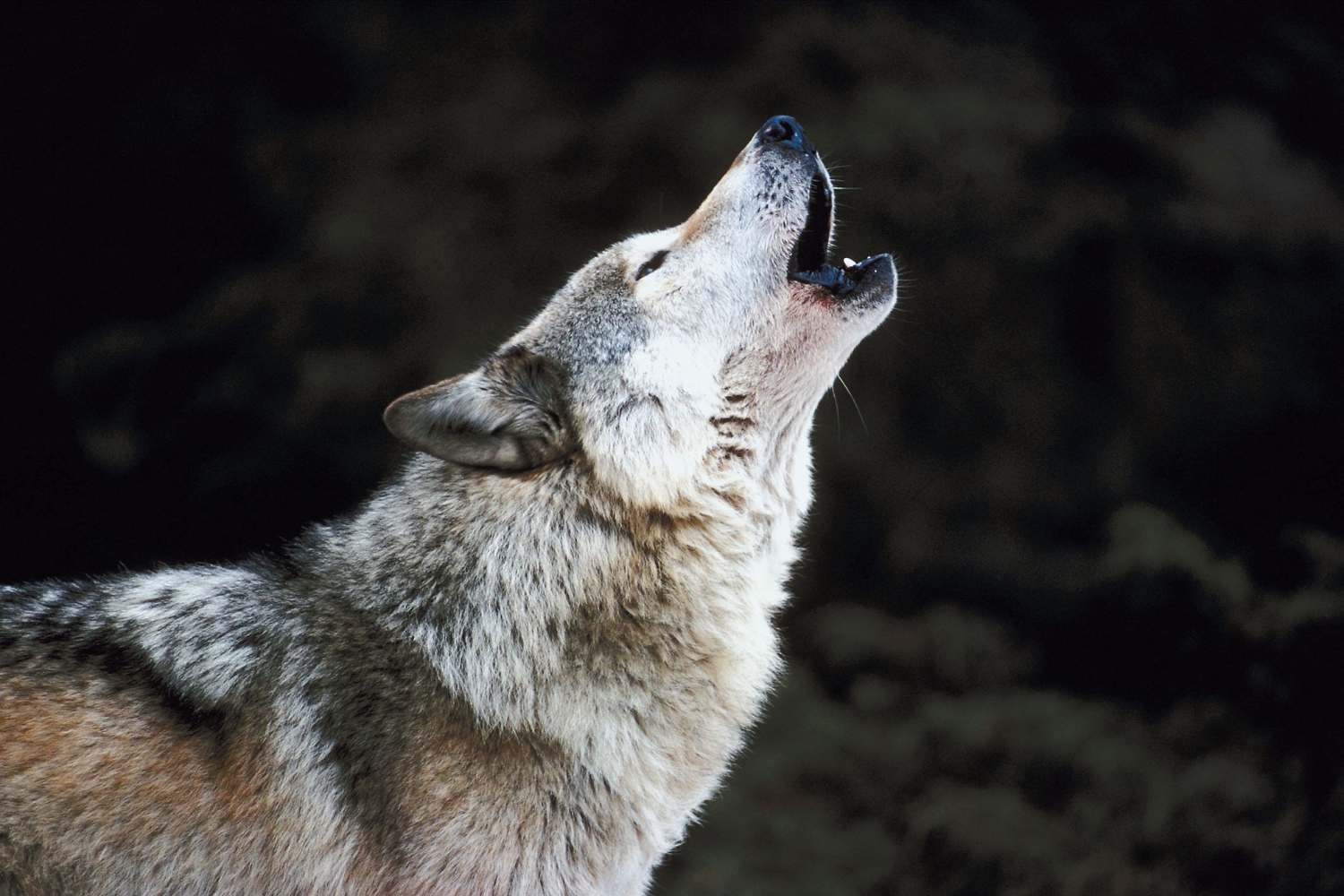
The management of wildlife in South Tyrol reignites a no-holds-barred political and jurisprudential clash. The president of the Autonomous Province of Bolzano, Arno Kompatscher, signed a new decree last August 28th to collect a specimen of wolf in the area between the municipalities of Marebbe, Braies and Valdaora.
The measure was carried out by the provincial Forestry Corps following the repeated attacks against the livestock heritage recorded at the Fojedöra hut and the Sennes hut. The episode follows, a few weeks later, the first authorized killing, which took place on 5 July in the same location. The data collected by the local authorities highlights how, between 1 July and 28 August, a further 11 predations were confirmed with the loss of 9 sheep and 2 goats, leading the provincial administration to set a maximum harvesting ceiling of 3 specimens in the South Tyrolean territory for 2026.
The reaction of the associations
The execution of the decree provoked an immediate and very harsh reaction from the main environmental organizations. The species and habitat manager of WWF Italy, Gianluca Catullo, harshly contested the scientific validity of the decision taken by the provincial council:
If predation continues after the removal of a wolf, it is clear that culling is not an effective solution to solving the problem.
LAV’s response was not long in coming, entrusting its formal attack to the words of Federico Crisetig, representative of the wild animals area:
Both decrees issued this year by President Kompatscher are evidently illegitimate, as they presuppose the lowering of the protection status conferred on wolves, although this species is still strictly protected in Italy by Law 157/1992.
No preventive measures were implemented
At the center of the protests raised by activists is the substantial absence of bloodless protection strategies to be implemented before taking up arms. The investigations carried out on the mountain pasture structures affected by the attacks confirmed the presence of two shepherds for daytime supervision and the night-time shelter of some of the livestock, but did not reveal the use of electrified fences or guardian dogs.
The text of the provincial provision supports the legitimacy of the act by recalling the need to safeguard the continuity of the agro-pastoral economy and the cultural landscape, understood as a primary value protected by the Constitution. However, WWF Italy and LAV reiterate how jurisprudence and Directive 92/43/EEC allow derogation from the protection of the species exclusively following the proven failure of preventive measures.
The appeal to the European Commission announced by LAV
The temporal methods of implementation of the decrees, executed very shortly after their publication, prevented the associations from appealing to the administrative judiciary in good time to request the suspension of the measures. Faced with this procedural block, LAV confirmed its intention to refer the matter to the community institutions to denounce the conduct of the local administration.
These shot wolves must absolutely receive justice, and we will bring to the attention of the European Commission the terrible management of coexistence with wolves implemented by the Province of Bolzano following the deleterious Austrian model. The protection of non-human animals is a fundamental principle of the Italian Constitution which cannot be sacrificed for the economic interest of farmers nor, much less, for the electoral consensus of some politician.
