
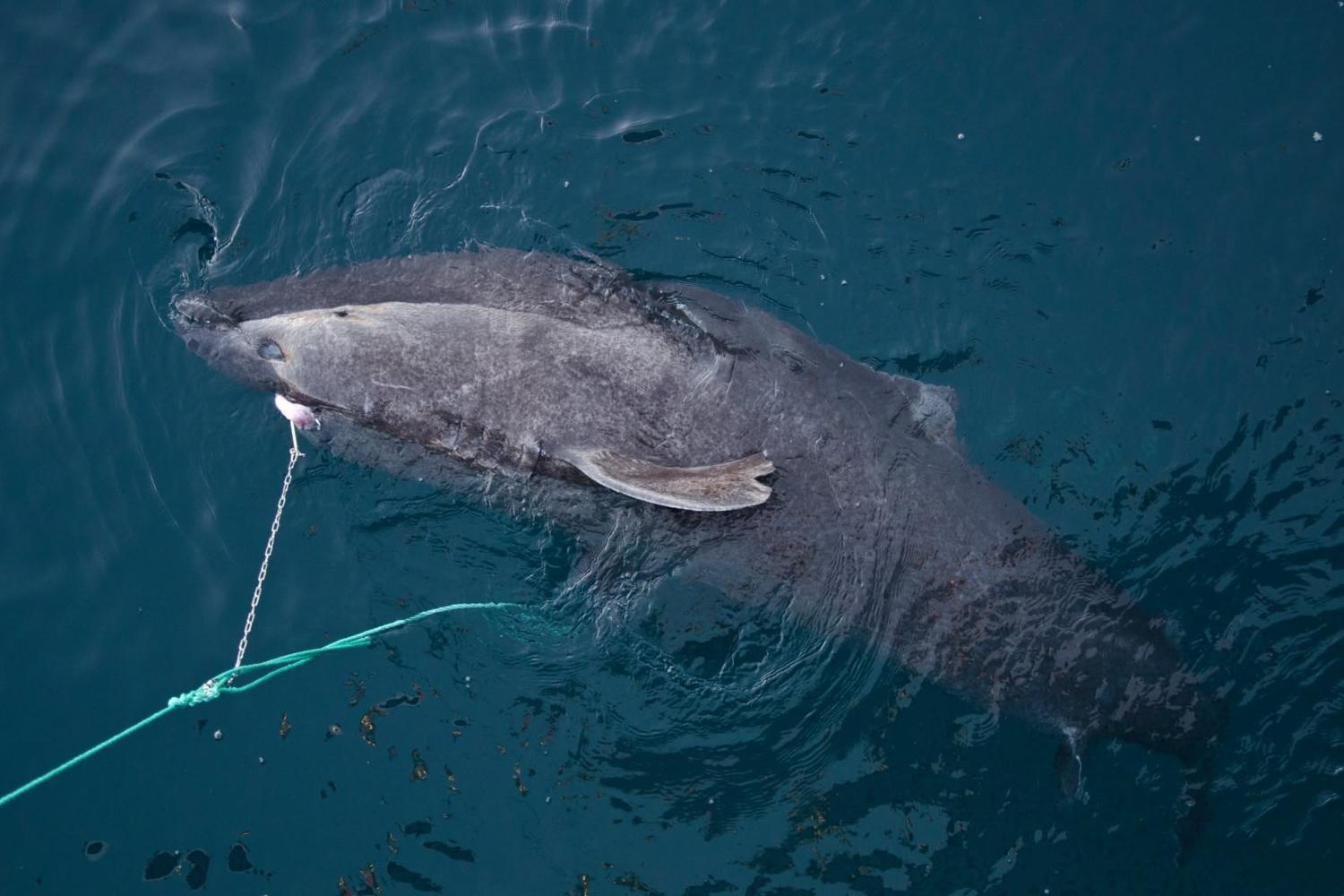
In the freezing, deep waters of the North Atlantic, a silent but merciless battle is taking place between Arctic fishermen and one of the most long-lived and fascinating creatures on the planet. Earlier this year, Avannaata municipality authorities, led by Mayor Lars Erik Gabrielsen, approved a plan to cull 1,000 Greenland sharks, offering a bounty of 300 Danish crowns for each heart taken.
This species, universally recognized as the slowest swimming shark in the world, is capable of exceeding 400 years of life and reaching sexual maturity only at 150 years of age and has ended up in the dock due to its voracity towards halibut and cod.
Local fishermen report enormous damage to equipment, with thousands of lost hooks and costs of up to 30,000 crowns in a single day due to predators cutting their lines. Although Greenland’s national government blocked the initiative due to doubts about its legality, tensions show no sign of abating. The mayor supports the need to defend the income of those who live from fishing, but the measure deeply divides the community.
The alarm of conservationists and the real structural causes of the crisis
On the other side of the fence, conservationists and researchers are raising a cry of alarm for the survival of an animal defined as the ocean species most sensitive to overfishing. Organizations such as Oceans North Kalaallit Nunaat explain that a cull would be completely ineffective, as the removed predators would be quickly replaced by migrating specimens capable of traveling over 2,000 kilometers per year.
Behind the anger of the fishermen lie much more serious structural problems, linked to the increase in operating costs, the excessive presence of boats and the invasion of ghost nets abandoned on the seabed. Alternative solutions put forward by environmental groups include the introduction of selective equipment, compensation for lost instruments and the use of acoustic deterrents, demonstrating that peaceful coexistence in the Arctic seas requires environmental protection and not extermination.
