
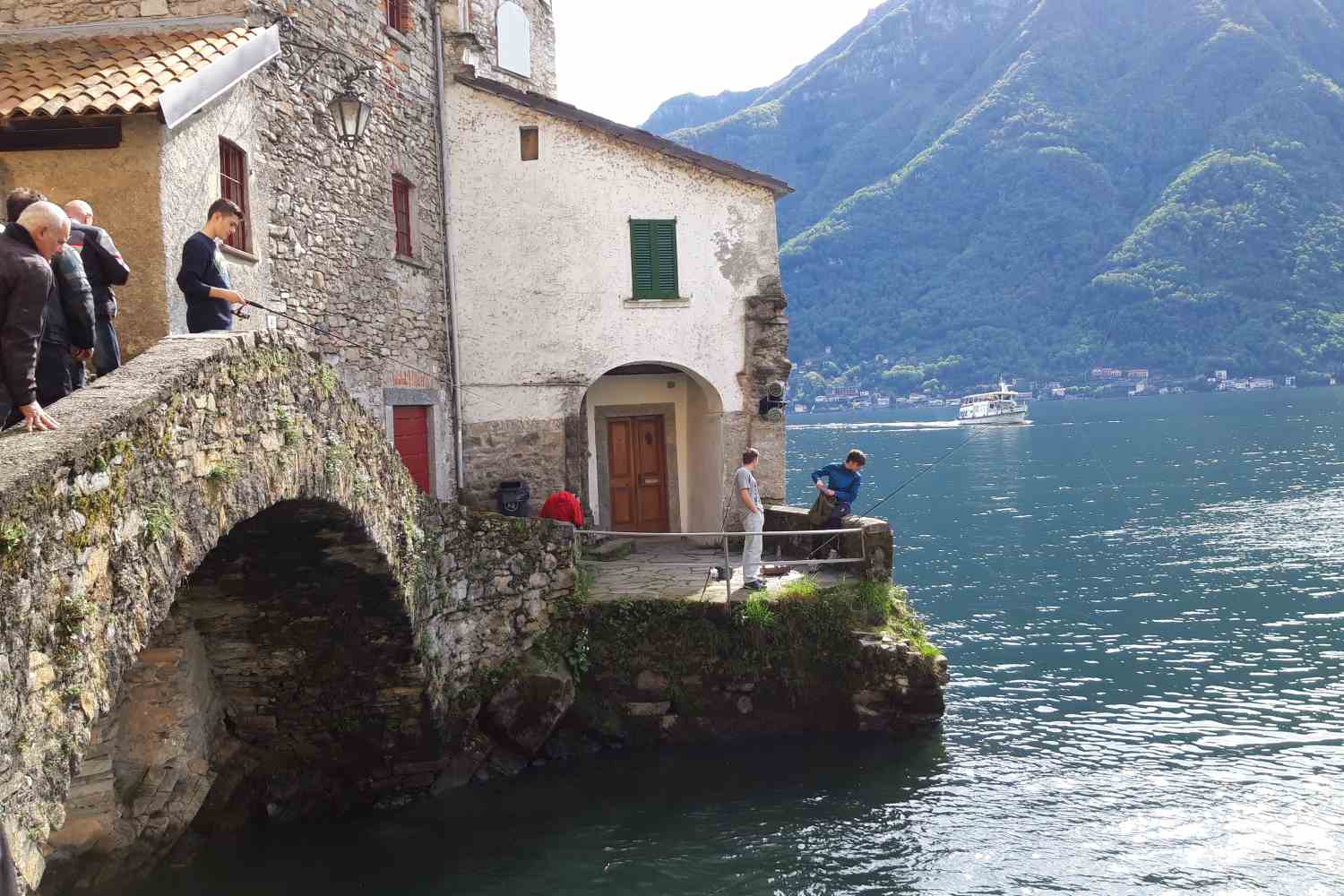
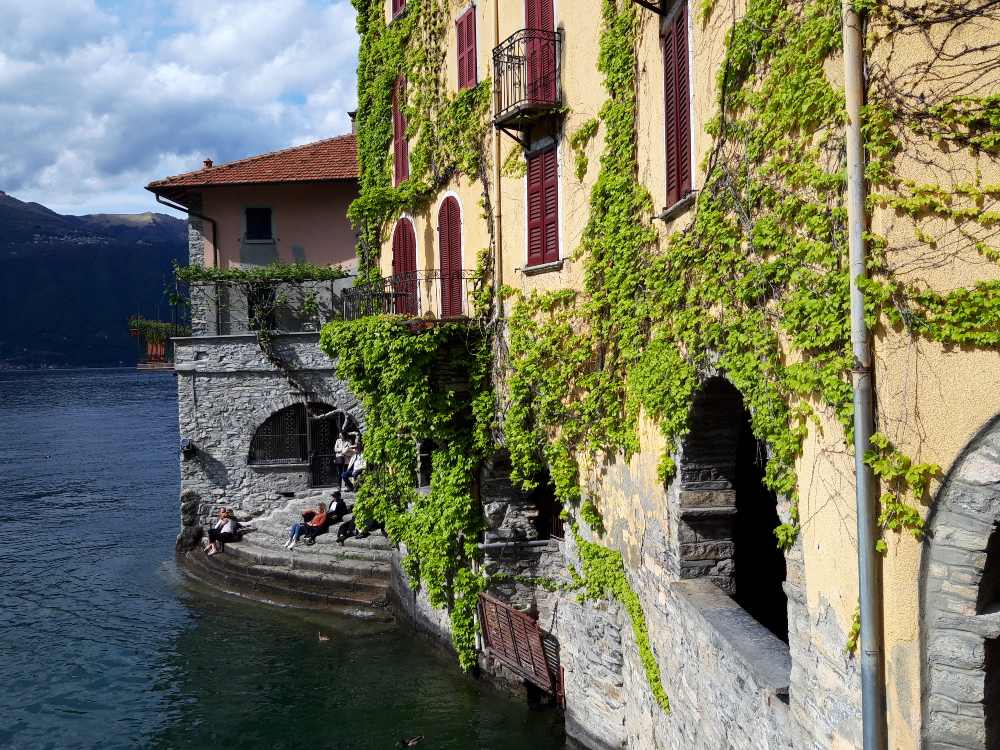
Along the shore that connects Como to Bellagio you come across Nesso, a small and picturesque village set in the rock along the eastern coast of the Lariano Triangle that seems to have come out of a postcard. Reaching this village requires just over an hour’s drive from Milan, while from the centers of Lecco and Varese the journey varies between 50 minutes and an hour. Alternatively, it is possible to take a bus on the C30 line departing from the Como train station or arrive via lake via private boats.
Nesso boasts very ancient roots. The discovery of an erratic boulder with engravings and a Neolithic stone ax testifies to a human presence since prehistoric times, while its name most likely derives from the Celtic water deity Ness or from a term linked to mooring and the strength of the river.
@RebeccaManzi/GreenMe
From the 200 meter waterfall to the legendary Civera Bridge
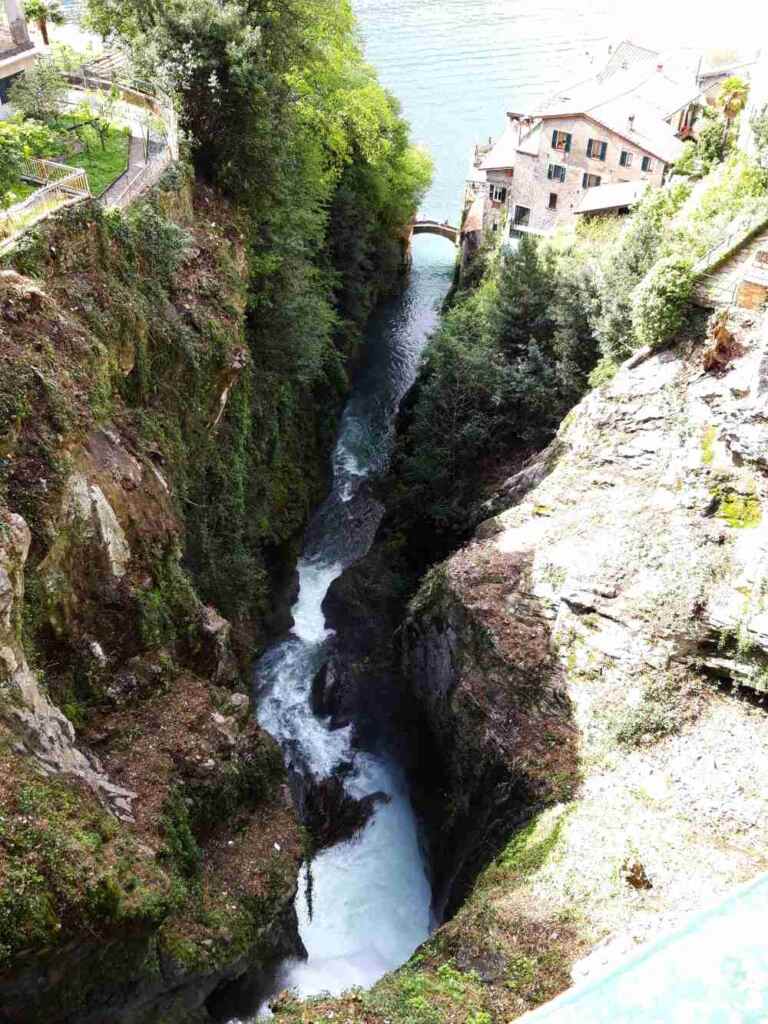
The village has always benefited from the surrounding nature. The real beating heart of the visit is in fact the Orrido di Nesso, a natural rocky gorge where the confluence of the Tuf and Nosè streams gives life to a spectacular 200 meter waterfall direct into the waters of Lake Como.
@RebeccaManzi/GreenMe
The water flow reaches its maximum volume during the spring season or following abundant rainfall. In the past, this exuberant hydraulic energy powered mills, paper mills, oil mills and spinning mills, as well as two factories dedicated to silk processing, some remains of which are still visible inside the canyon.
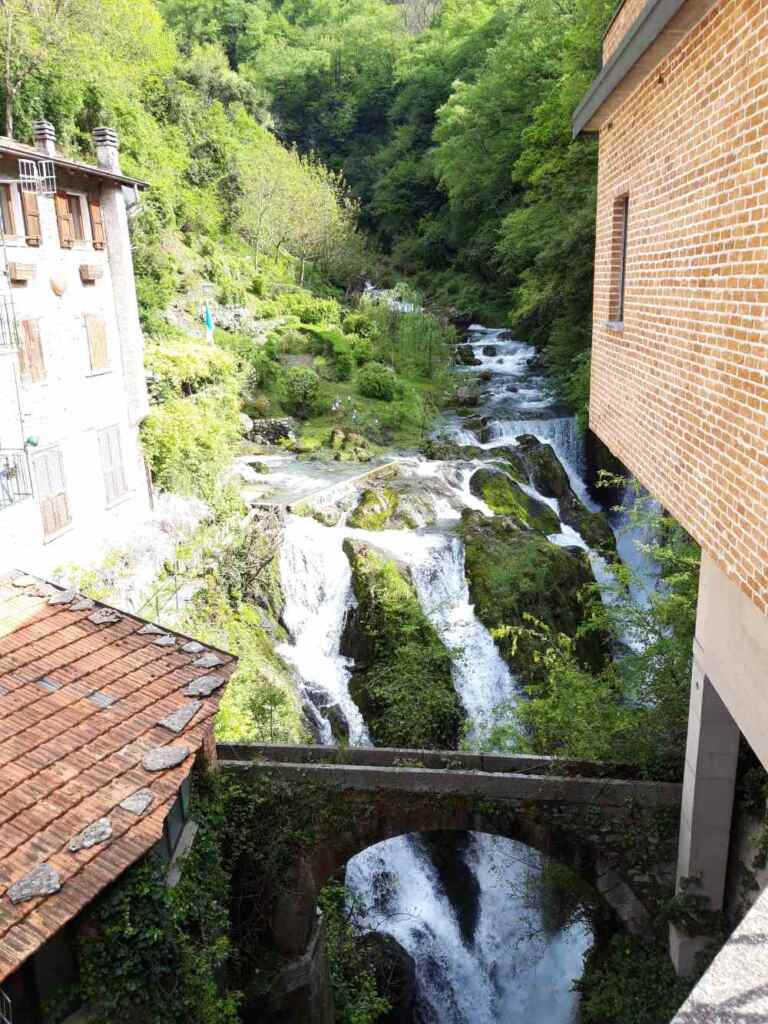
@RebeccaManzi/GreenMe
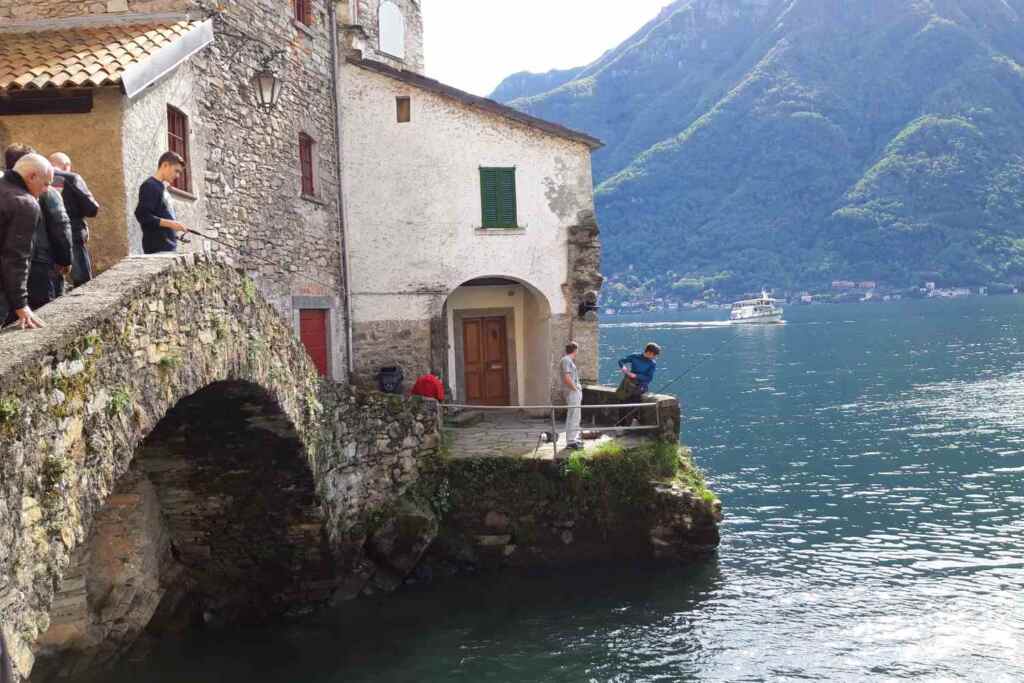
To observe the waterfall from a close-up perspective, after crossing the narrow streets of the hamlet of Coatesa and leaving the car for a few minutes on the side of the road (a small flaw of the place is the almost total absence of parking), we went down the famous staircase of 340 steps that leads to the lake shore. Waiting for us at the end we found the Civera Bridge, an ancient stone artefact from the Roman era that connects Coatesa with the opposite bank of Riva del Castello.
@RebeccaManzi/GreenMe
A landscape that fascinated Hitchcock and Leonardo
Precisely this arched walkway, also chosen by director Alfred Hitchcock as the set for his silent film The Labyrinth of Passions from 1925, offers the most fascinating glimpse of the water, where time seems to have stopped. A landscape so evocative that it enchanted even Leonardo da Vinci, who in his Codex Atlanticus noted the beauty of this mountain crack, and artists such as Federico and Carolina Lose, as well as the writer Giambattista Bazzoni who set the novel there The Falco della Rupe or Musso’s War. And having him in front of us, we assure you, it is not difficult to understand why he has fascinated everyone over the years.
@RebeccaManzi/GreenMe
