
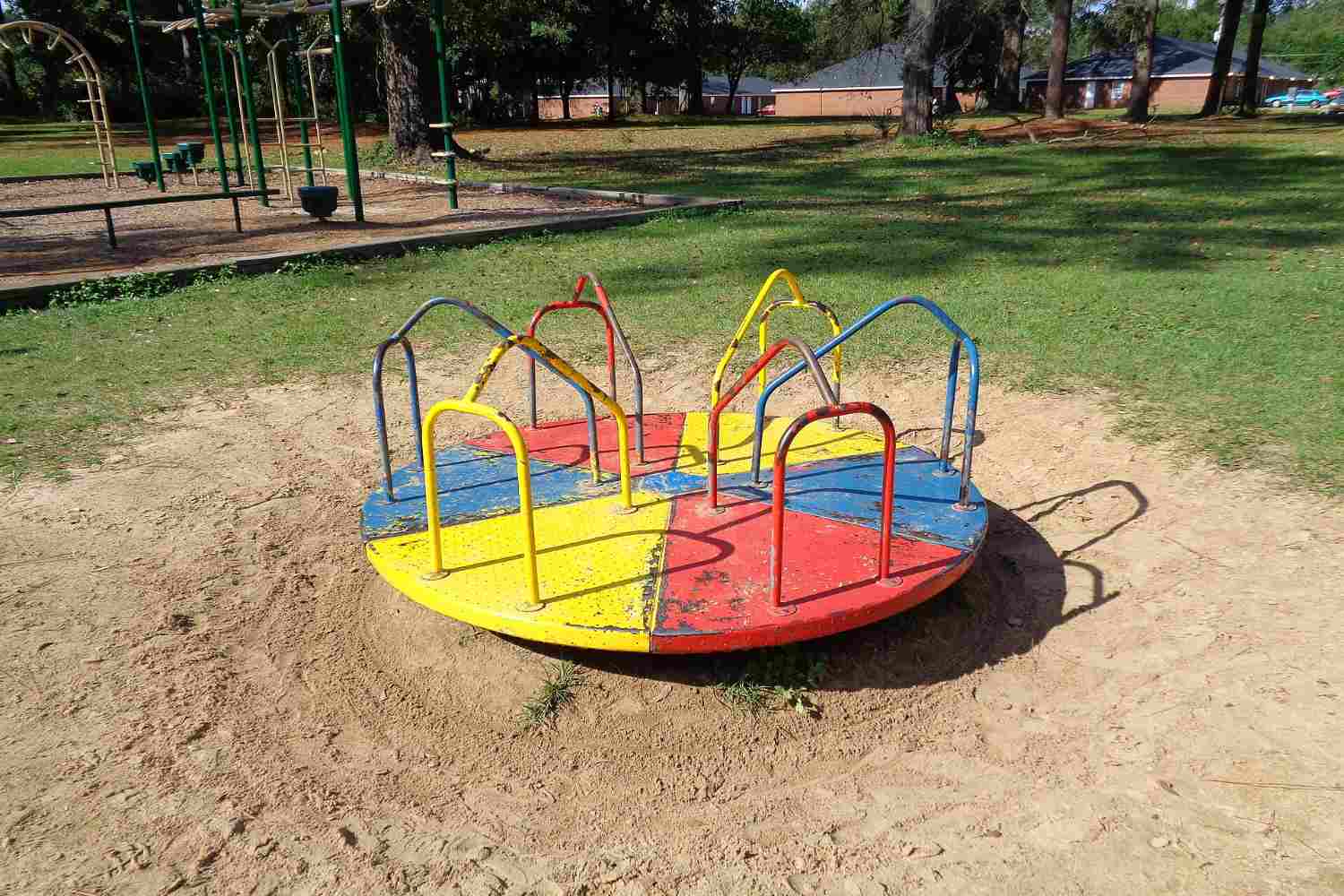
In Holland A new vision of the outdoor game is taking hold, which provides more risky and stimulating playgroundswhere children can explore, climb, fight with sticks and even play with fire. This return to the “risky” game was inspired by the growing concern for the sedentary life of young peoplethe time spent in front of the screens and the increase in cases of child diabetes.
The initiative aims to challenge the protective approach that many parents adopt today, defined by some as “helicopter parenting”, which tends to minimize any type of risk. An example of these new play areas is the “Woeshes Westen“(Selvaggio West), a park located in Amsterdam, where children can climb trees, build shelters and even play with real tools such as hammers and knives under the supervision of adults.
Encourage children to test themselves
This type of activity aims to develop physical and cognitive skills, teaching children how to deal with risks, ask for help when necessary and try again after a failure. Local authorities, including members of the D66 Liberaldemocratic Party, support the creation of spaces that encourage children to put themselves in the trialfacing moderate risks such as stumbling, falling or making a small scratch.
According to them, the risky game offers children the opportunity to develop vital skills such as risk management, motor coordination and social skills, which are more and more neglected due to sedentary life. Recent studies reveal that Dutch children are spending more and more closed time, with a significant decrease in the outdoor outdoor game.
This change had a negative impact on their ability to socialize and face stressful situations. The risky game, therefore, could be the key to reverse this trendallowing children to learn to confront uncertainty and manage the discomfort.
While the idea of more daring games could seem extreme for some, the defenders claim that the goal is not to expose children to unnecessary dangers, but rather give them tools to grow strongermore resilient and safer than itself. The proposal represents an attempt to recover a form of game that not only stimulates the body, but also the mind, preparing the new generations to face the challenges of adult life.
