
After a 2024 characterized by climatic records and environmental disasters, the winter of 2025 confirms a worrying tendency to global warming, continuing over two years of observations of historical heat levels.
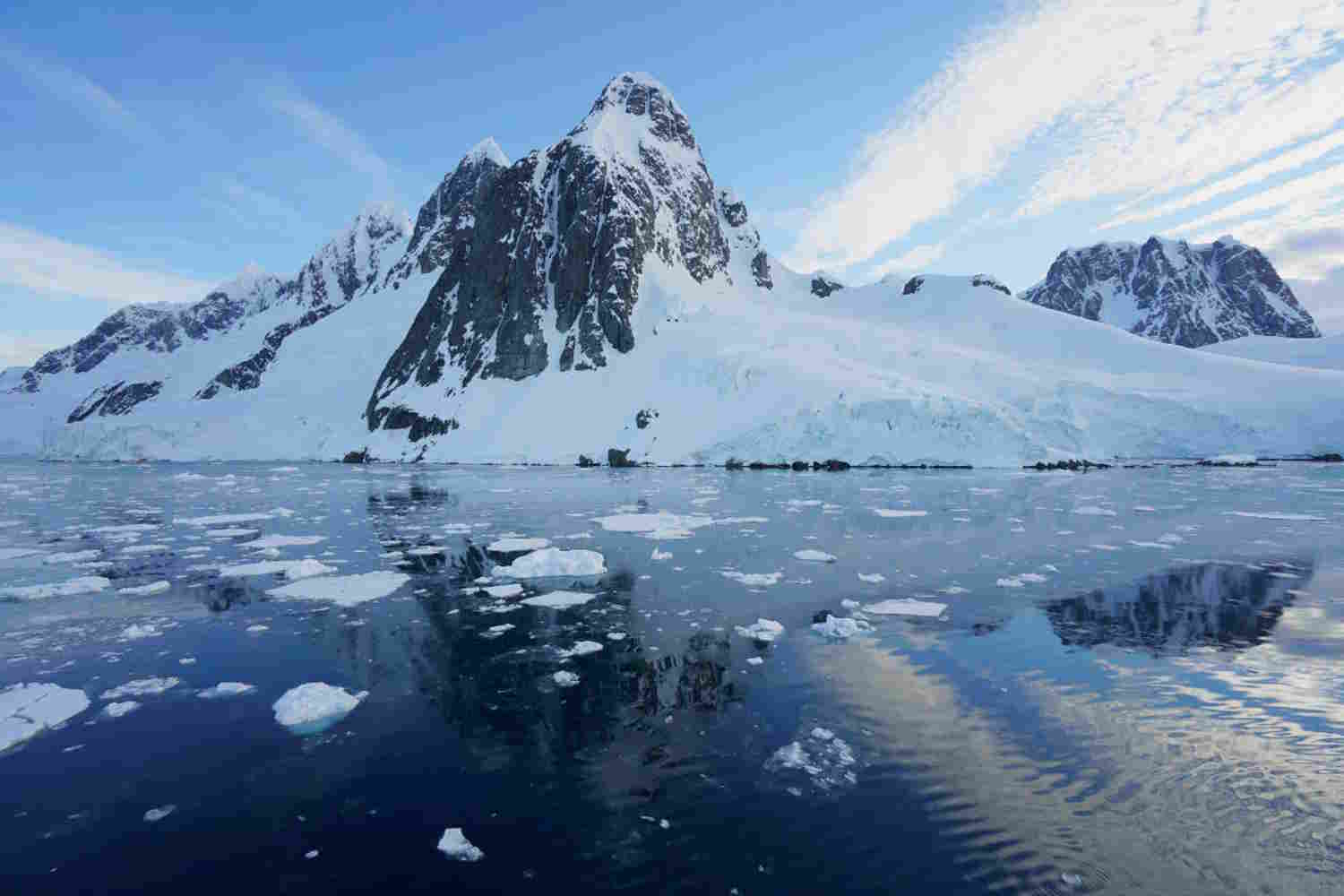
According to Copernicus data, in February just passed the Total surface of sea ice around the poles has touched a new historical minimum.
On February 5, 2025, the global extension of marine ice fell to 16.20 million km², exceeding the previous record set in February 2023 of 16.27 million km². This new minimum is the result of a reduced extension both in the Arctic and the Antarctic.
High global temperatures
The three months corresponding to winter in the northern hemisphere (December-February) were among the hottest ever recorded.
February 2025 was the third hottest on the global level, with an average surface air temperature of 13.36 ° C, 0.63 ° C above the average of the period 1991-2020.
February 2025 is in line with the record or almost record temperatures observed in the last two years “due to global warming – explains Samantha Burgess, deputy director of the Copernicus Climate Change Service (C3S). One of the consequences of a warmer world is the dissolution of marine ice which is to a historical minimum.
The reduction of sea ice has significant implications for the global environment. Marine ice acts like a mirror, reflecting sunlight and helping to keep the planet fresh. Its decrease leads to greater heat absorption by the oceans, further accelerating global warming
All data that, once again, underline the urgency to face climate change through concrete and coordinated actions globally.
