
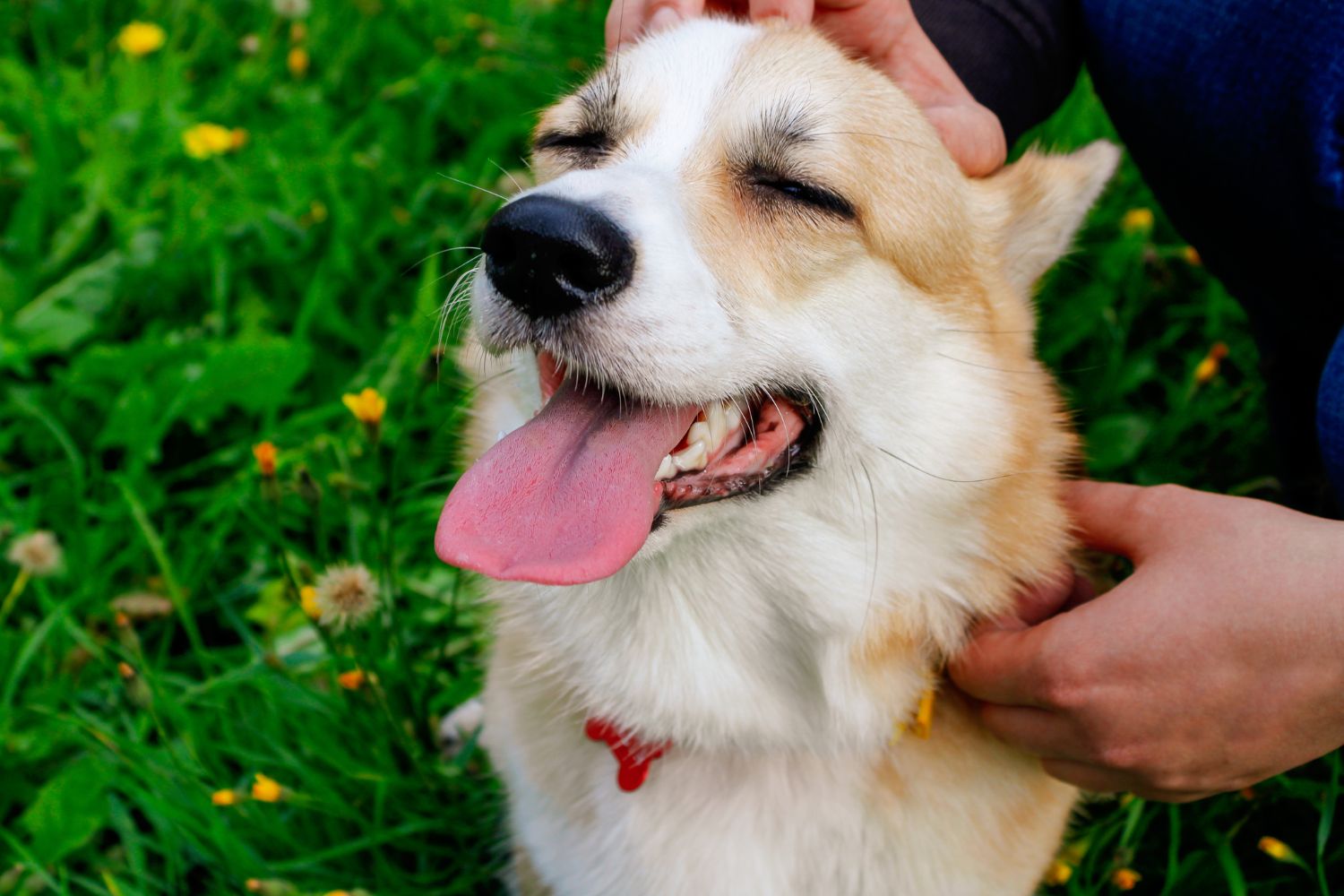
No, it’s not always clear for us what our friends feel dog: a study led byArizona State University (USA) highlights how people often do not perceive the truth meaning of the emotions of their petmisunderstanding his behaviors.
The reasons for this are manifold and include aHuman misunderstanding of dog expressions due to our general tendency to Anthropomorphizing our animal friendsprojecting our human emotions on them.
Among other things, a recent work has shown how artificial intelligence could help us interpret the emotions of animals: the work had been conducted on wild animals, in particular some species of ungulates, including cows, pigs and wild boars, but does not exclude that technology can also be used with pets. But do we really have to get to this?
Because we are not able to understand our dog’s emotions
The research shows, in particular, that humans generally do not have a good understanding of the emotional state of their dog because they judge his emotions of the dog Based on the context of the event to which they assist.
People don’t look at what the dog is doing – explains Holly G. Molinaro, the first author of the work – rather, look at the situation surrounding the dog and bases their emotional perception on that
In other words, our dogs try to communicate with us, but we humans seem determined to look at everything except him (or her). And, to aggravate the misunderstanding, there is one human projection of one’s feelings on the dog: This anthropomorphization of the interaction further obscures the understanding of what your dog’s emotional state really can be and what is trying to tell you.
The study was conducted by carrying out two experiments, video recording a dog and tracing those they believed were positive (which made happy) or negative (less happy). Happy situations, in particular, could be realized by offering the leash or a prize, while the unhappy ones included a sweet punishment or the use of the hated vacuum cleaner.
In an experiment, however, they showed normal members of the public modifying the recordings so that the dog filmed in a happy context seemed recorded in an unhappy situation, and vice versa.
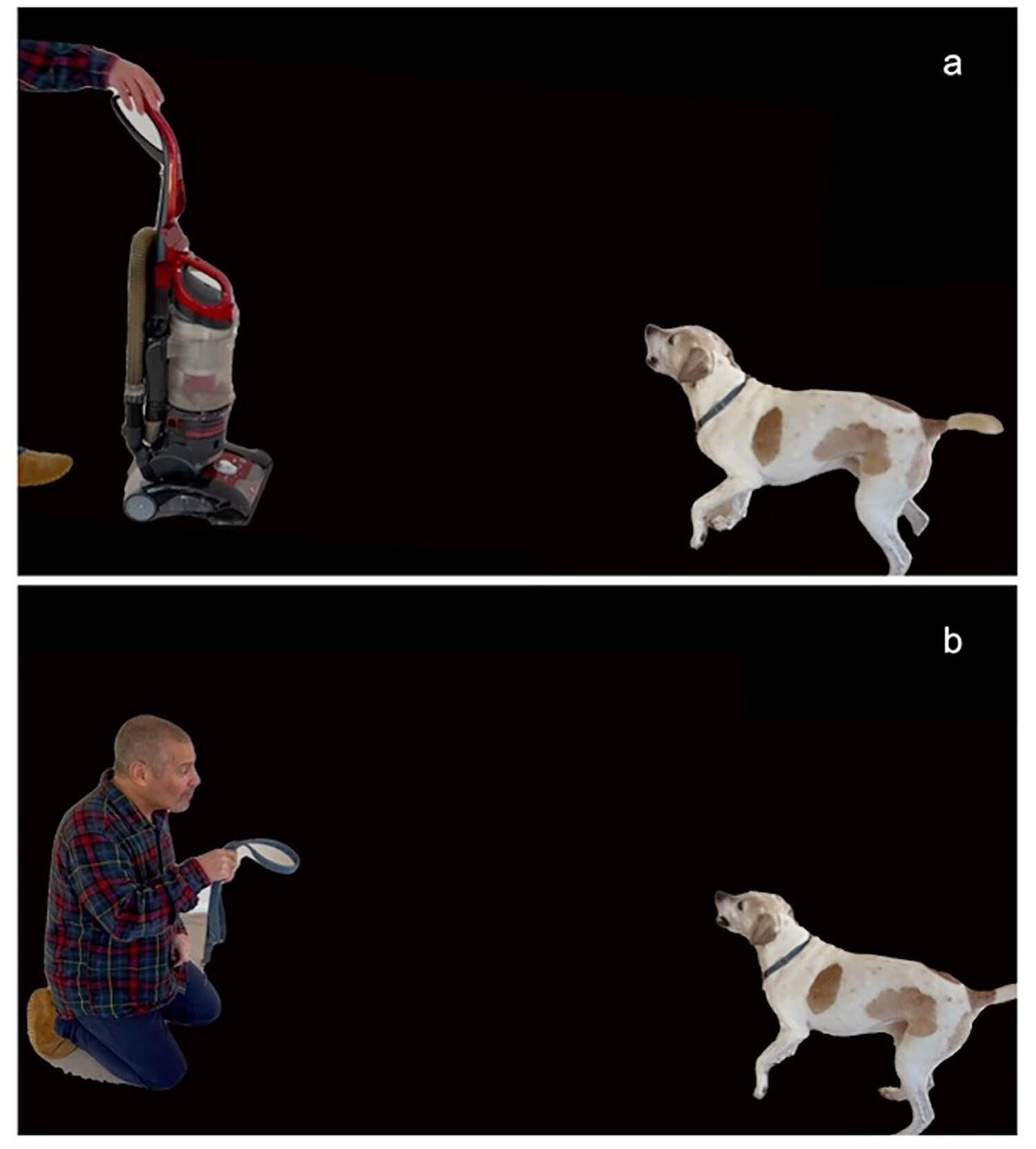
In both experiments, people have valued How happy and excited people thought were dogs: the researchers discovered that the perception of the dog’s people was based on everything that appeared in the videos, except on the dog himself.
If you see a dog who receives a prize, presumes that feels good – continues Molinaro – if you see a dog that is scolded, presumes that feels bad. These assumptions about how you think the dog feel they don’t have nothing to do with dog behavior or emotional signals
To further complicate the communication process is the projection of people’s emotions on the dog: Even if humans and dogs have shared a link over the centuries, this does not mean that their emotional elaboration, or even their emotional expressions, are the same.
I have always found this idea that human dogs and beings must have the same emotions very partial and without any true scientific evidence to supportso I wanted to see if there are factors that could actually influence our perception of dog’s emotions
The authors point out that in the studies on the human perception of our emotions there is much more in reading emotions than looking simply a person’s face: culture, mood, situational context, even a previous facial expression can influence the way people perceive emotions. However, when it comes to animal emotions, Nobody has yet studied if those same factors influence us in the same way.
How to overcome our prejudices
But, therefore, as a good owner of dogs does to overcome incredizes and incorrect interpretations for understand the real emotional state of its pet?
The first step is simply to be aware that we are not so good at reading the emotions of the dogs – we must more humble in understanding our dogs. Once we can start from a base of understanding our prejudices, we can start looking at our puppies under a new light
Sometimes, unfortunately, we are very superficial.
The personality of each dog, and therefore his emotional expressions, are Unique for that dog. Really pay attention to your dog’s signals and behaviors (…). Take one or two more seconds to focus on your dog’s behavior, knowing that you have to overcome a prejudice To see the situation around the dog rather than the dog himself, he can do a lot to obtain a true reading of the emotional state of your dog, leading to a stronger bond between you two
The work was published on Anthrozoos.
Sources: Arizona State University / Anthrozoos
