
Signature cuisine often loves to surprise, push boundaries, transform unusual ingredients into sensorial experiences. But when innovation meets unauthorized food, creativity can turn into a court case.
This is what is happening in South Korea, where a chef who became famous thanks to the popular Netflix show Culinary Class Wars has ended up on trial for using ants as a decorative ingredient in a dessert, even though they are not permitted by national legislation for human consumption.
The prosecutor’s office requested a year in prison for the restaurant representative and a fine of 20 million won (around 13,000 euros) for the company that manages the restaurant, accused of violating the food safety law.
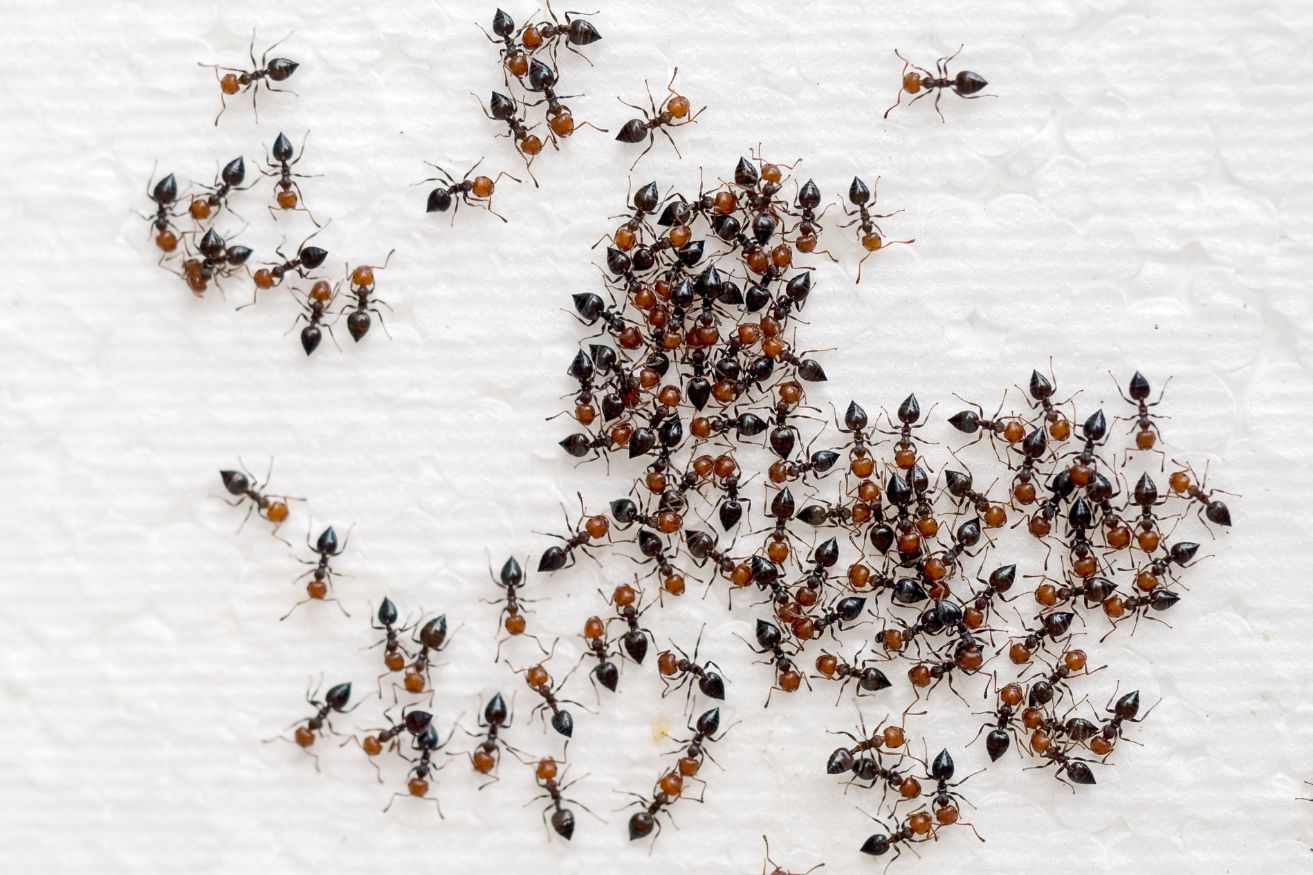
According to the indictment, the fine dining restaurant located in the Gangnam district of Seoul served for almost three years – from April 2021 to January last year – a sorbet used as an “interlude” between courses, garnished with approximately 40,996 ants not authorized as a food ingredient, for an estimated total of over 12 thousand servings and profits of approximately 120 million won.
Prosecutors on Monday sought a one-year prison term for the owner of a two-Michelin-starred restaurant accused of serving ants that are not approved for use as food ingredients in South Korea.https://t.co/KnQpJ13E5T
— The Korea Herald 코리아헤럴드 (@TheKoreaHerald) July 21, 2026
Ants on the plate: why are they prohibited?
Insects are not automatically considered food in South Korea. The law establishes a precise list of species that can be consumed, including some varieties of grasshoppers and cricket larvae, after assessments related to safety, nutritional composition and health risks. Ants, however, are not part of this list.
And that’s not the only thing that has raised concerns. According to what emerged from the checks by the health authorities, the insects used in the restaurant had levels of heavy metals up to 55 times higher than those detected in insects normally intended for food.
According to the prosecutor’s office, what made the matter more serious were both the duration of the use of the unauthorized ingredient and the exceeding of the limits considered safe.
The story attracted even more attention because the restaurant belongs to a chef who had gained popularity thanks to the show Culinary Class Wars, becoming one of the most recognizable faces of new Korean cuisine. After some reviews with photographs of the dishes containing ants circulated online, the South Korean Ministry of Food and Drug Safety launched an investigation.
The images of the dessert quickly made the rounds on social media, transforming an extreme gastronomic choice into a national case.
The case reopens a broader reflection on the role of insects in our diet. In many parts of the world they are indicated as a possible sustainable alternative to traditional protein sources: they require fewer resources, have a lower environmental impact than intensive farming and could contribute to rethinking our food system. But sustainability does not mean the absence of rules and every new food that arrives on our tables must be evaluated, controlled and traceable.
