
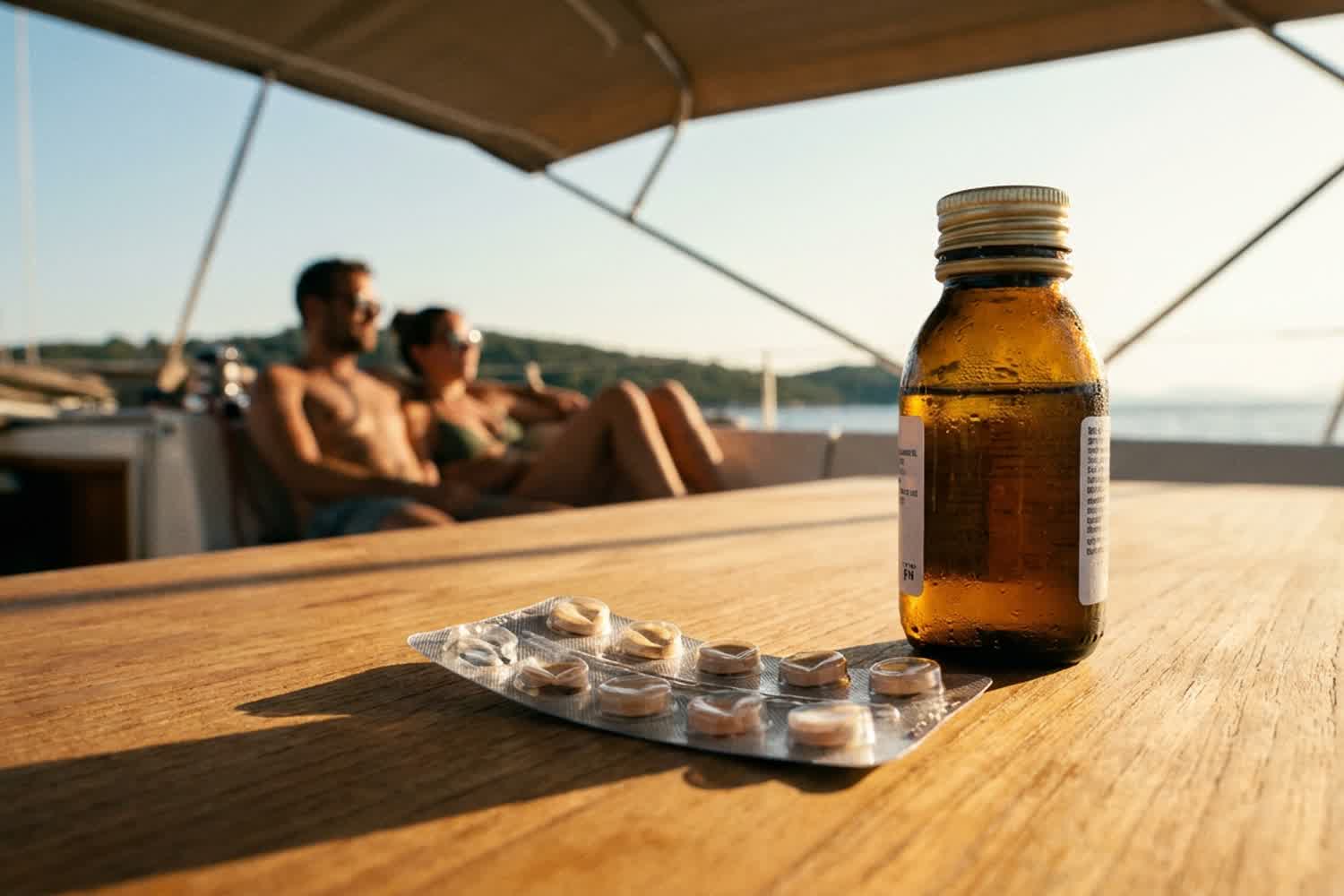
Putting them in the bathroom, leaving them in the car, cramming them all into the same pillbox: when it comes to drugs and summer heat, the most common mistakes are also the ones that seem most harmless. Yet, with temperatures breaking new records every summer, storing medicines correctly has become a far from trivial issue.
Heat, in fact, does not just make you sweat: it can degrade the active ingredients, reduce the effectiveness of drugs and, in the most serious cases, even make them harmful. A topic that concerns everyone, not just those following chronic therapies.
The Italian Medicines Agency (AIFA) has published a practical guide with all the precautions to be taken in summer, both at home and when travelling. Here they are, one by one.
- Always read the information leaflet. Each medicine has specific storage methods indicated in the packaging. If no particular temperatures are indicated, the general rule is to store it in a cool, dry place, below 25°C. To transport it without a refrigerator, a thermal container is the best solution. Never expose it to direct sunlight or heat sources, not even if it is in spray form.
- One or two days above 25°C are not a problem, but be careful in the long term. Brief exposure to higher temperatures does not necessarily compromise the drug. But if the heat persists for days, the expiration date is significantly shortened — and in some cases the medicine may become contraindicated.
- Do not leave medications in the car. The interior of a car parked in the sun can reach 60-70°C in a few minutes. Buying medicines and leaving them in the car for hours is one of the most frequent and risky mistakes.
- Prefer solid formulations. Tablets and capsules are less sensitive to heat than syrups, creams or liquid solutions, which contain water and deteriorate more easily in the heat.
- Maximum attention to life-saving drugs. For those living with diabetes, heart disease or thyroid disease, even partial alteration of a drug such as insulin or nitroglycerin can have serious consequences. Insulin should be stored in the refrigerator, but once opened it can remain at room temperature (within the indicated limits). When travelling, thermal bag mandatory. The same goes for oral contraceptives, which are also sensitive to temperature variations.
- Do not mix medications in one container. Saving space in your suitcase by cramming everything together is a bad idea: you risk confusing dosages, types and expiry dates.
- Beware of improvised pill boxes. Not all containers are suitable for transporting medicines. Some materials heat up or release substances that can alter the medicine. Better to use only certified containers, available in pharmacies.
- In cars, drugs travel in the passenger compartment, not in the trunk. If the journey is long, the trunk – often not air-conditioned – can turn into an oven. Medicines should be kept in the air-conditioned passenger compartment, preferably in a cool bag.
- If the medicine looks different than usual, do not take it. Changed color, abnormal consistency, strange smell: these are all signs that something is wrong. Better to consult your doctor or pharmacist before proceeding.
- On a plane, medications go in your hand luggage. The hold is not air-conditioned and temperature variations can be extreme. Those taking life-saving medications must bring them into the cabin together with the relevant prescriptions, which may be requested at security checks.
Where to store them at home (and where not)
The bathroom is the worst place to keep medicines: humidity and temperature changes are enemies of the active ingredients. Even the kitchen, near the stove, should be avoided. AIFA recommends storing medicines in a wardrobe in the bedroom or in a cool, dry closet, always out of reach of children and pets.
Medicines and sun: the combinations to know
Some active ingredients, if taken during exposure to the sun, can cause photosensitization reactions: spots, rashes, even intense burning. This is the case of antibiotics such as tetracyclines and quinolones, sulphonamides, oral contraceptives, non-steroidal anti-inflammatory drugs (NSAIDs) and antihistamines such as promethazine.
Particular caution should also be exercised with the topical use of ketoprofen-based gels or patches: exposure to the sun should be avoided for up to two weeks after treatment. The same goes for promethazine-based creams, often used for insect bites. In these cases, washing the treated area well before exposing yourself is a simple gesture that can avoid unpleasant consequences.
