
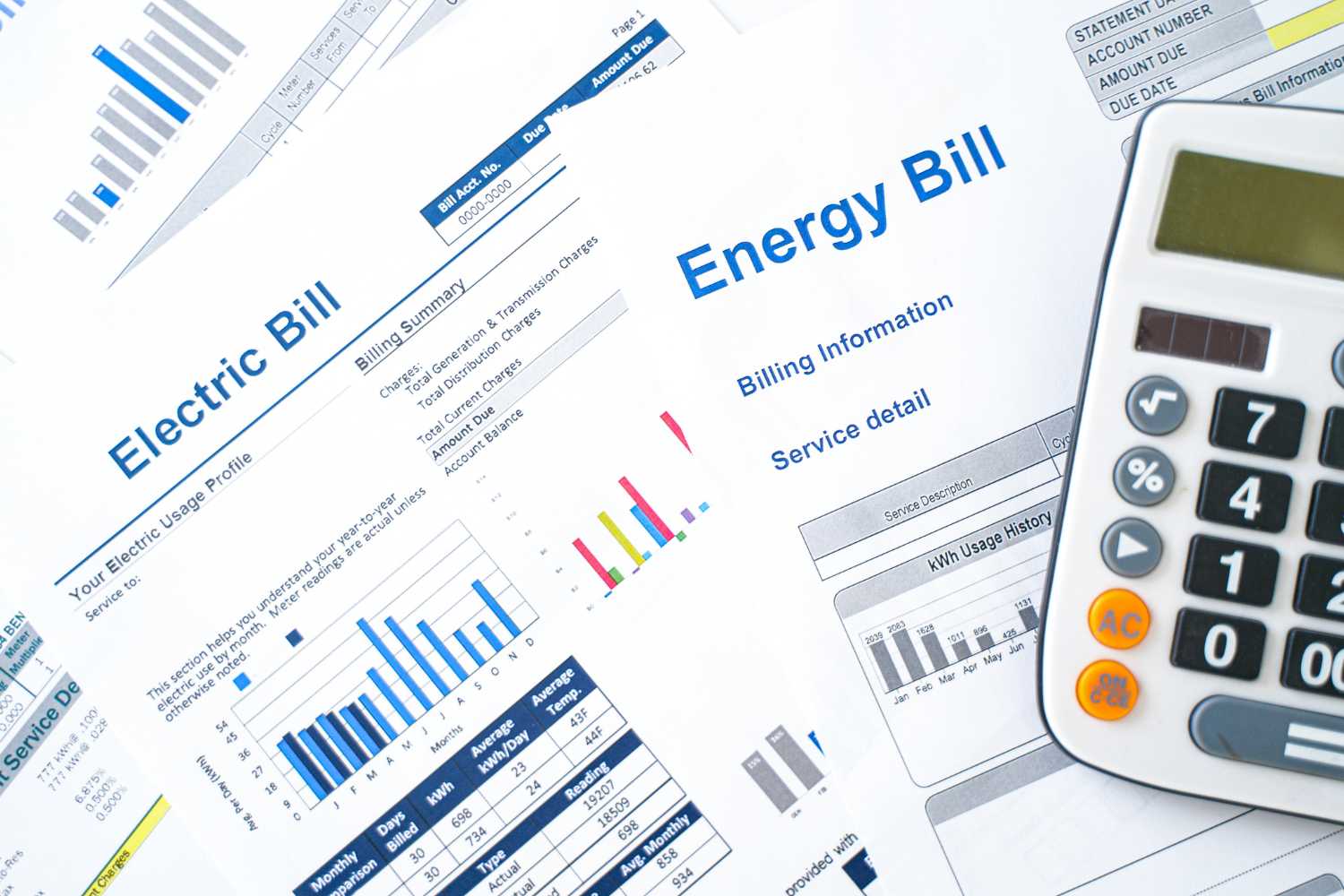
Every day we make dozens of small automatic gestures, apparently completely harmless but which, added to each other, weigh on the electric bill and the environment. Many people believe they are paying attention to consumption, even if in reality several rooted habits continue to waste precious energy
Let’s find out which are the five most common actions that increase domestic consumption without realizing it.
Standby mode: the energy vampire
Televisions, decoders, computers, printers and chargers: even when they seem off, these devices continue to absorb current. The red light of the TV or the microwave clock display consume 24 -hour energy. A standby TV can consume up to 10 watts per hour, which multiplied by 365 days become a considerable expense.
The solution is simple: detach the thorns when the devices are not needed, or use the ciabatta multi -priest equipped with a switch. An average family can save up to 10% on the electric bill only by eliminating the so -called ghost consumption.
The refrigerator: common errors that cost dear

The refrigerator works tirelessly and represents about 20% of the domestic electrical consumption. Continuously opening the door to decide what to eat, insert still hot foods and regulate the temperature badly are frequent errors that increase consumption.
Every time we open the fridge, the cold air comes out and the engine has to work more to restore the temperature. Inserting hot foods forces the compressor to extra effort. The ideal temperature is 4 ° C for the fridge and -18 ° C for the freezer: each degree less increases consumption by 5%.
Forgotten lights: small distractions, large waste
Leaving the lights on in the empty rooms lit is a classic. Maybe we go out to take something and forget to turn off, or we keep decorative lights and lamps in a little frequented corridors “for safety”, especially at night.
A 60 Watt bulb left unnecessarily on for 8 hours a day consumes about 175 kWh per year. If we multiply by all the lights forgotten at home, the figure becomes important. The movement sensors in the corridors and the habit of always turning off when you leave a room can determine a positive difference.
Water heating: long showers and open taps

Hot water requires a lot of energy to be produced. Interminable showers, taps that drip and left open while we soap our hands are daily waste that go unnoticed.
A 10 -minute shower consumes about 150 liters of hot water. Reduce it to 5 minutes halves consumption and costs. Installing flow reducers on taps can decrease 30% consumption without compromising comfort. Even repairing a tap that loses immediately makes the difference: 30 drops per minute mean 200 liters of water wasted per month.
Madly used appliances
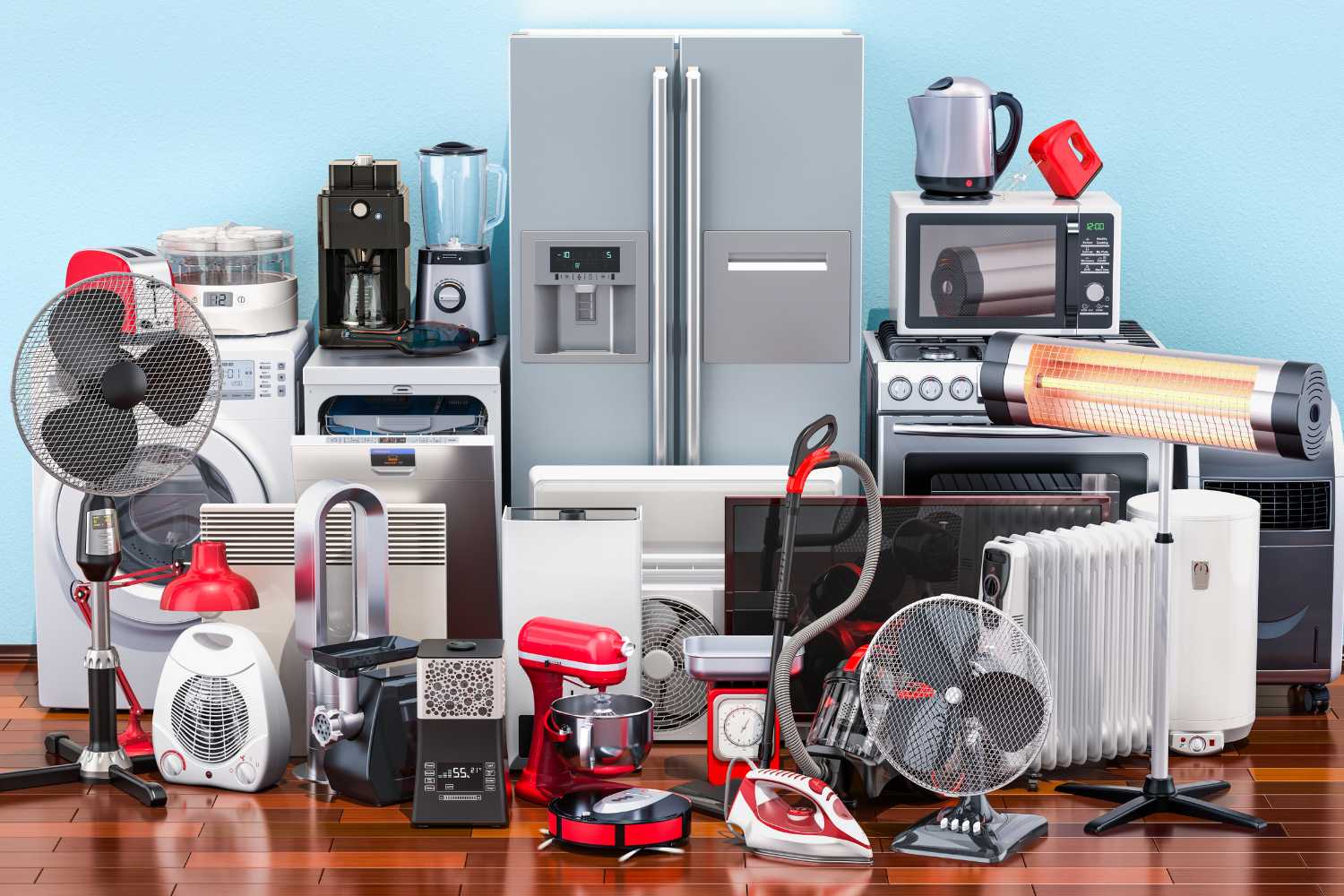
Empty half -dishwashers and washing machines, high temperature programs when eco, dryer for each laundry, air conditioners left at 18 °: they are wrong habits that multiply energy consumption.
A full -load washing machine consumes as a half empty, while the programs at 30 ° C clean as well as those at 60 ° C for most of the garments, but consume 40% less. The air conditioner works well even at 24 ° and the dryer is yes, comfortable but also energetic: when possible, spreading the air is the best, free and ecological solution.
A double advantage
Changing these five habits does not require who knows what sacrifices, only a greater awareness is needed. The small daily gestures, repeated over time, generate important savings on the bill and reduce the environmental impact.
What are you waiting for? Just start with a habit at a time: the wallet and the planet will thank you!
Don’t you want to lose our news?
