
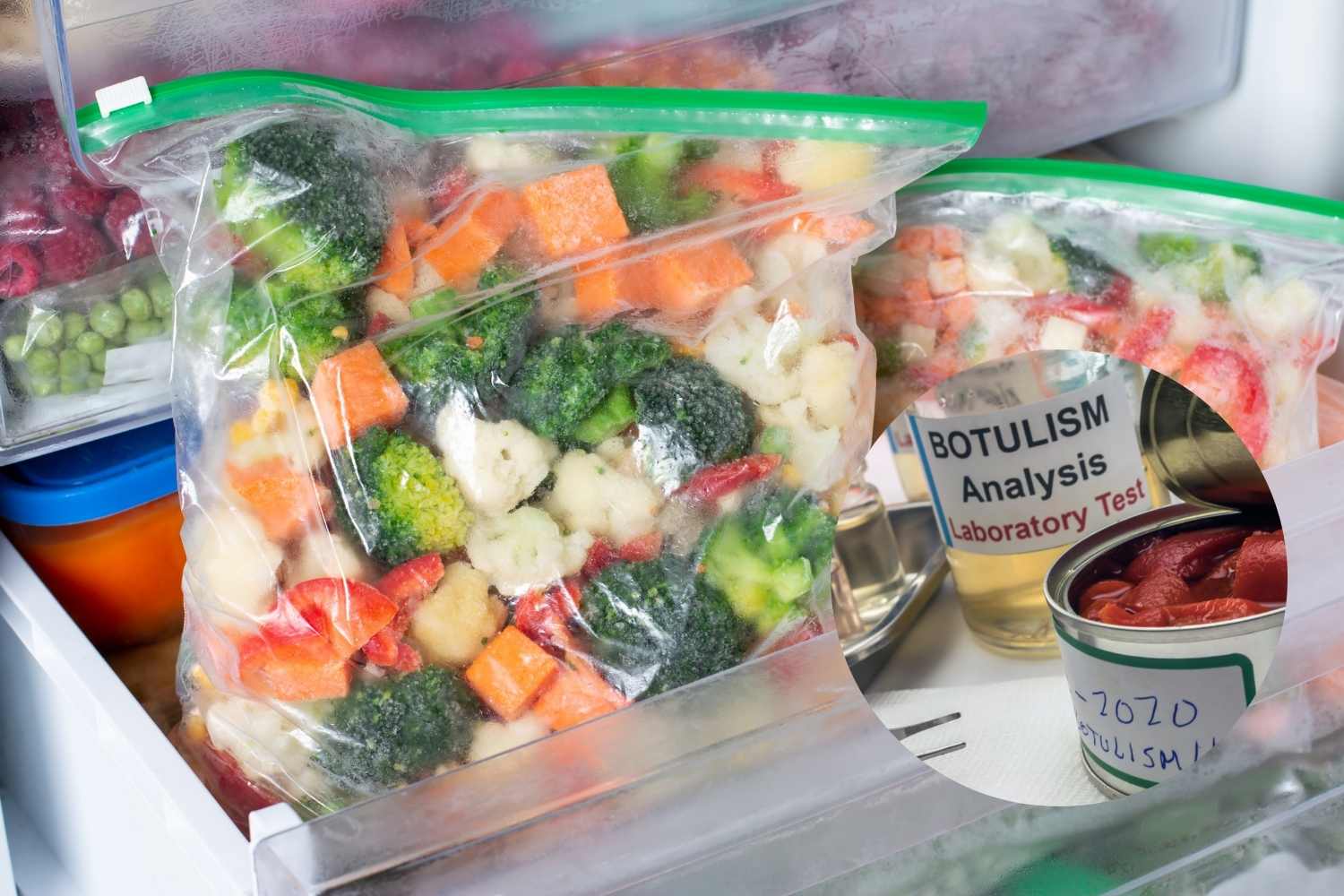
After cases of intoxication that occurred in Sardinia and Calabria, we return to talk about botulinum to try to dispel doubts and uncertainties. After a due premise, will we treat the topic that gives the title to the article: keep food at low temperatures eliminates the botulinum risk? The answer is negative, as we will see in the next paragraphs.
Botulinum and temperatures
Botulinum toxin represents the most dangerous natural poison for the human being. Fortunately, this lethal substance has a weak point: the heat. It takes five minutes to 75-80 degrees to completely deactivate it. But be careful: in the house check that the food has reached this temperature to the center is complicated. The safest solution? Bring the food to a boil for at least five minutes.
The paradox of thermal treatment
Here emerges a paradoxical aspect. The heat destroys the toxin but not the bacterium that produces it. Indeed, cooking can even encourage the development of botulinum through three mechanisms:
What happens after cooking
If you cook a suspicious food and consume it immediately after cooled it, don’t run risks. The same security is worth if you put it in the refrigerator and eat it within a few hours. The problems begin with long conservation.
Some strains of botulinum manage to grow even at the low temperatures of the refrigerator. The multiplication will proceed more slowly than the room temperature, but it will not stop completely. Predicting the exact development times is impossible: each area of the refrigerator has a different temperature, each food has specific characteristics that influence bacterial growth, and each strain reacts differently to the cold.
Does the freezer offer greater security?
In the freezer the situation changes. At temperatures below zero, the botulinum survives but cannot multiply. The storage times stretch considerably, with the bacterium that remains alive, pending better conditions, but which at least will not produce new toxins.
The gold rule of prevention
There is a fundamental consideration to do, that is, that botulism derives from the consumption of foods that contain already formed toxins. If the bacterium developed, the food has undergone nutritional and organoleptic alterations that make it unsuitable for consumption.
Faced with a product that seems altered, prudence requires even avoiding tasting. Minimum quantities of contaminated food can cause botulism. The risk applies to all diseases transmitted through food.
How to really protect yourself
The real protection begins from the correct preparation of the preserves. The National Reference Center for Botulism has published a compendium with the guidelines in collaboration with the Ministry of Health, the Antivioleni Center of Pavia and the University of Teramo, in which the safe procedures are indicated to prepare domestic preserves without risk.
Conservation at low temperatures slows down but does not eliminate the danger, only prevention through the correct preparation practices guarantees food safety. Remember: if you have doubts, better to give up than to risk potentially fatal consequences.
Don’t you want to lose our news?
