
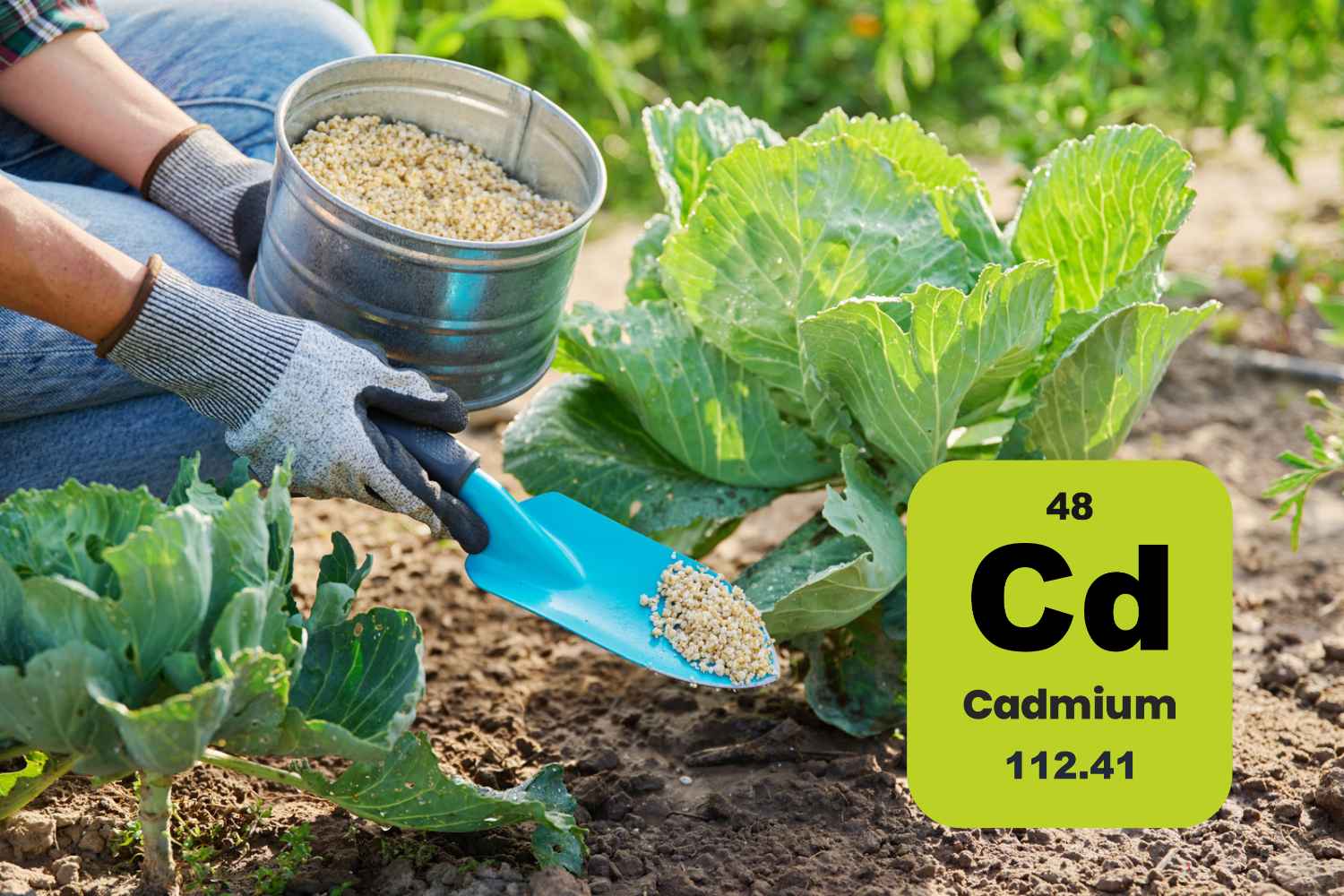
Cadmium is a toxic heavy metal that can end up on our tables even through everyday foods, such as bread, pasta and cereals. Part of the problem arises in the fields, where this substance can accumulate in the soil and pass to the crops. For this reason, if we want to reduce food contamination, it is not enough to intervene on the products that arrive at the supermarket, we must also act at the source.
This is the path that France has decided to follow, where the Government has announced a progressive reduction of the cadmium allowed in phosphate fertilizers, with the aim of reaching 20 milligrams per kilogram by 2030. The decision comes after years of alarms from the health authorities and foresees quicker times than those initially hypothesized.
But what will actually change with the new French rules? And why is intervening on fertilizers considered an important step to protect health?
Cadmium in fertilizers, what France has decided
Between 2 and 5 October, four French regulatory texts, one decree and three ordinances, were published, establishing a gradual path to reduce the cadmium content in fertilizers and the contributions of this metal to agricultural land.
Until now, in France, a maximum limit of 90 milligrams of cadmium per kilogram of P₂O₅, i.e. phosphoric anhydride, the parameter used to express the concentration in phosphate fertilizers, was allowed. This is a higher value than the European limit of 60 mg/kg.
However, the new calendar includes three steps:
However, there is one aspect that should not be underestimated. The French government has reserved the possibility of modifying the calendar based on available technologies, economic consequences and security of supplies. The deadlines have therefore been set, but the process is not entirely safe from possible postponements.
Why cadmium in fertilizers is a problem
Cadmium occurs naturally in some phosphate rocks used to make fertilizers. When these products are spread on fields, the metal can reach the soil and accumulate over time. Plants can then absorb some of it, transferring it into the food chain.
The problem does not only concern the quantity present in a single food, but also the exposure that accumulates through the diet. Cadmium is a toxic substance, classified as carcinogenic, which can remain in the body and cause damage, especially to the kidneys and bones.
For this reason, the French health authorities have long been asking to intervene at the source of the contamination. In a report published in March 2026, Anses again called for a drastic reduction of cadmium in phosphate fertilizers, calling on the government to act as soon as possible.
According to the agency, a significant part of the French population has worrying levels of exposure: almost half of the inhabitants and all of the children between 2 and 3 years old examined exceeded the reference value for urinary concentration considered critical. These are data that contributed to increasing pressure on the government to move from recommendations to concrete measures.
Some food tests have also detected the presence of this contaminant. The French magazine 60 Millions de Consumersfor example, found cadmium in 16 out of 18 samples of penne rigate examined, with quantities still below the legal limits.
The October decision therefore comes at the end of a long and far from linear journey. Health authorities have been reporting the risks linked to exposure to cadmium for years, but the review of limits in fertilizers has been delayed.
In the spring, the government project still envisaged a slower path, with the aim of reaching 20 mg/kg only by 2038. In the meantime, however, the issue had also reached the National Assembly: in June the deputies had approved at first reading a bill that aimed to accelerate the reduction, setting the target of 2030.
The pressure exerted by doctors, associations and civic initiatives has also contributed to maintaining high attention on the topic. The new calendar therefore represents an acceleration compared to the government’s initial proposal, although the possibility of reviewing some deadlines remains.
Supply difficulties are also behind the delays. France imports much of its phosphate fertilizers from Morocco, where some rocks used to produce them may contain high amounts of cadmium. Reducing the limit therefore means having to have less contaminated raw materials or processes capable of eliminating the metal, with possible repercussions on costs and product availability.
This is precisely one of the most delicate points of the new legislation: reconciling the needs of agriculture with the need to reduce the population’s exposure to a dangerous substance.
The effects will not be immediate
Reducing cadmium in fertilizers is an intervention at the source, but its effects will not be immediate. Once accumulated in the soil, in fact, the metal can remain in the environment for a long time and continue to be absorbed by plants.
The new rules, therefore, do not guarantee that from 2030 bread, pasta and cereals will automatically be less contaminated but they serve to limit further contributions and contain the problem in the long term.
In the meantime, the health indications invite us to diversify food sources and also consume legumes, without excessively concentrating the diet on a few products. These are measures that do not replace agricultural and regulatory interventions, but can contribute to reducing overall exposure.
