
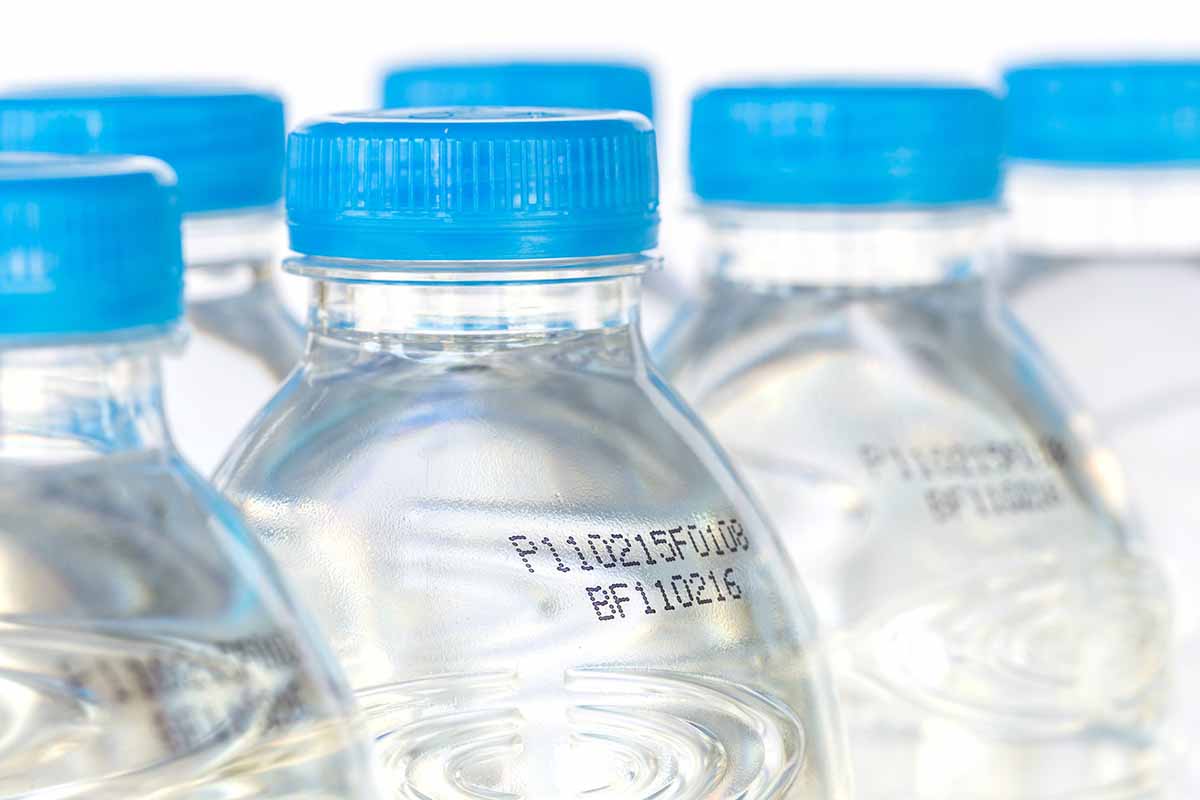
How many times have you bought a bottle of water at the supermarket without even looking at it? Yet, like almost all food products, mineral water also has a date printed on the label or cap. Few people pay attention to it, but knowing its meaning can make the difference.
The water does not expire, but be careful with the container
Unlike milk, yogurt or fruit, water does not deteriorate in itself: its chemical composition is free of proteins and fats, i.e. the elements that cause progressive decay in foods. The real problem is not the water, but what contains it. The plastic, with which the vast majority of bottles on the market are made, can over time release chemical substances into the liquid, altering its characteristics and, in some cases, representing a health risk.
What that date really means
The writing on the bottles, “best before”, is not a categorical expiry date but corresponds to the so-called TMC, the Minimum Shelf Life. It means that by that date, usually between one and three years from bottling, the producer guarantees the maintenance of the original organoleptic qualities of the water, such as taste, smell and freshness. After that time, the water may be less pleasant or less safe, but not necessarily harmful.
What does plastic release into the water
Bottles made of PET, the polyethylene terephthalate used for almost all packaging, can release some chemical substances to water over time. One of these is acetaldehyde, a volatile compound that tends to make the taste of water slightly sweet and unpleasant. Studies conducted in recent years have also detected the possible migration of other substances such as antimony and bisphenol A, which if ingested regularly and in increasing quantities could accumulate in the body and interfere with various functions, including intestinal, immune and respiratory functions.
Heat accelerates everything
An often underestimated factor is temperature. The heat encourages the release of chemicals from the plastic into the water and can also promote bacterial growth inside the bottle. Leaving bottles in the trunk of the car in summer, near heat sources or exposed to direct sunlight is therefore a very bad habit, regardless of the date shown on the label.
How to store bottles correctly
To preserve the quality of the water for as long as possible, the bottles should be stored in a cool, dry place away from sunlight. Once the bottle is opened, it is advisable to consume the water within two or three days. For sparkling water, a further consideration applies: as it approaches the end of the indicated shelf life, it may have lost much of its effervescence.
The safest and most sustainable choice
Since water itself does not expire and plastic poses risks to both health and the environment, the most virtuous solution remains that of drinking tap water, which in Italy is generally safe and controlled. Those who prefer mineral water can opt for glass bottles, a safer choice on a chemical level and much more sustainable from an ecological point of view, considering that PET bottles, despite being recyclable, still generate a significant environmental impact.
