
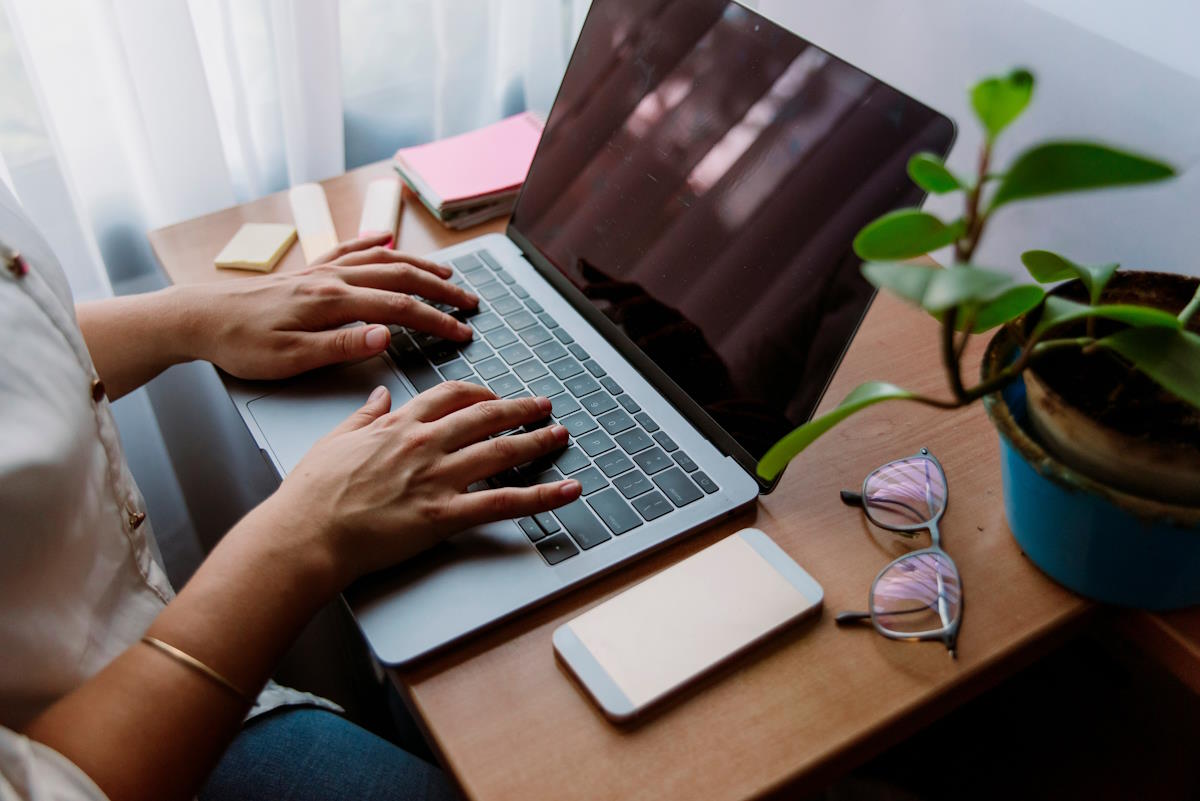
Smart working or rather remote working that the Covid pandemic has helped to spread has changed the way of working and, in many cases, also our way of life. It has reduced travel, reduced emissions linked to daily traffic, alleviated congested cities, given more flexibility to those who have to manage children, elderly parents or simply more humane life times. From an environmental and organizational point of view it is one of the most interesting transformations of recent years. And it is right to say it clearly: it is not a step backwards, it is a step forward.
But like all great silent revolutions, it also brings with it side effects. Not because it is “wrong”, but because our body and our brain were not designed to work in isolation, in front of a screen, for hours and hours, without movement, without spontaneous relationships, without changes of scenery. It’s not an individual fault, it’s a shared biological limit. We are all in the same boat.
The risk is precisely this: that convenience makes us lower our guard. That the real advantages of agile working prevent us from easily seeing the small signs of imbalance that accumulate over time.
Circulation problems
One of the first concerns movement. The human body is designed to move often, not to sit for long periods of time. Several studies show that prolonged inactivity alters blood circulation and increases cardiovascular risk. Research published in Medicine & Science in Sports & Exercise has highlighted how even a few consecutive hours of immobility can reduce the function of blood vessels. Another study in Circulation showed that a sedentary lifestyle at work is associated with an increase in mortality, regardless of physical activity practiced in free time.
Spending many hours sitting in front of the computer is very bad for the blood circulation in our body – and it shouldn’t surprise us if, at the end of our working day, we feel sore and swollen legs and feet.
To avoid this unpleasant inconvenience, we suggest taking a short break (five minutes is enough), during which you can get up from the chair and stretch a little by taking a walk around the house or doing some stretching for your legs and back.
An alternative would be to consider purchasing a standing desk, i.e. a desk that is not made for sitting: the upright position will allow the blood to circulate better, and we will no longer feel discomfort and soreness.
Eye strain
Spending many hours in front of a computer screen is harmful to the health of our eyes: it is not strange, at the end of the working day, to feel tired, burning and dry eyes, headaches.
Furthermore, prolonged and daily exposure to technological screens negatively influences our sleep rhythms: the blue lights emitted by our devices, in fact, inhibit the production of melatonin, the sleep hormone, deluding our brain that it is still daytime and that it is not yet time to fall asleep.
How can we limit these negative consequences if we really can’t do without smartphones and PCs to work?
An initial help could come from purchasing glasses with lenses capable of shielding the blue lights coming from technological devices. In this way, the exposure of the eyes to these lights is limited, and the quality of sleep will improve.
To alleviate the feeling of tiredness and burning of the eyes, however, we recommend taking breaks from watching the PC – during which, obviously, we should not pick up the mobile phone.
When we get up to stretch our legs, we go to the window and stare at a point far from us for about twenty seconds, so as to relax our gaze, which is always focused on something very close (i.e. the screen).
Postural problems
If we sit at a desk for many hours, it is not difficult for us to adopt incorrect positions – perhaps because they are apparently more comfortable. However, in the long run, these positions compromise the health of our back and neck, which begin to become increasingly painful.
In this case we suggest, in addition to the stretching and muscle lengthening exercises to be carried out in the breaks between one work block and another, following a pilates course.
This discipline, suitable for all ages, allows us to strengthen the muscles of the neck, shoulders and lumbosacral fascia, decreasing the intensity of painful conditions and facilitating a more correct posture.
Bad eating habits
Having the pantry at home available, full of biscuits and unhealthy snacks, all day can represent a serious threat to our figure – more than if we were in the office and had to eat out every day.
Even if we are at home sitting in front of the PC all day, let’s avoid constantly munching on pretzels, biscuits and other things, and let’s make an effort to maintain a balanced diet consisting of regular meals and healthy snacks.
For this purpose, the practice of batch cooking can help us, i.e. preparing the different meals of the week in advance, so as to have everything ready in the fridge (or freezer) and already know what to consume, without leaving room for improvised and unhealthy meals.
Social isolation
Last disadvantage, but no less important than the others, concerns the absence of sociality in the smart working regime: by working from home, we preclude ourselves from having a chat with colleagues or sharing a lunch break with them.
Furthermore, if we are always closed at home and only interface with our computer, the opportunities to meet new people are greatly reduced. What can we do to solve this problem?
If working in an office is not an option, we could consider the possibility of working in spaces dedicated to co-working, to share our work space with other people and form new social relationships.
Furthermore, we can use our free time to attend recreational clubs or enroll in a course thanks to which, in addition to learning new skills, we can also meet new people.
None of this means that smart working is “wrong”. That means it’s not neutral. It is a powerful tool, with enormous environmental, organizational and personal benefits, but which must be accompanied by new habits. Planned movement, real breaks, exposure to natural light, intentionally cultivated social relationships, work spaces designed with a minimum of ergonomics.
It’s not a question of willpower. It’s a question of planning our day.
Smart working really works when we stop treating it as a simple convenience and start experiencing it as an ecosystem to be kept in balance. Because, ultimately, we are all learning together how to inhabit this new form of work. And none of us have the perfect playbook yet
We also recommend:
