

September is one of the most delicate months of the year for the care of our plants, even if the exact opposite is often thought, because the idea that the arrival of autumn means a break from intense intensive care is very widespread. This transition period in fact requires a lot of attention and, above all, avoiding some mistakes that could seriously compromise the health of our beloved green companions.
The mistake of late fertilization
The first big mistake that many make is to continue with intensive fertilization, typical of summer. During the month of September, most plants begin to slow their metabolism in preparation for winter dormancy. Continuing to feed them with nitrogen-rich fertilizers means forcing them to produce new tender vegetation just when they should start to lignify their tissues to resist the cold. This new growth will be extremely vulnerable to the first frosts, causing often irreparable damage.
Reduce watering
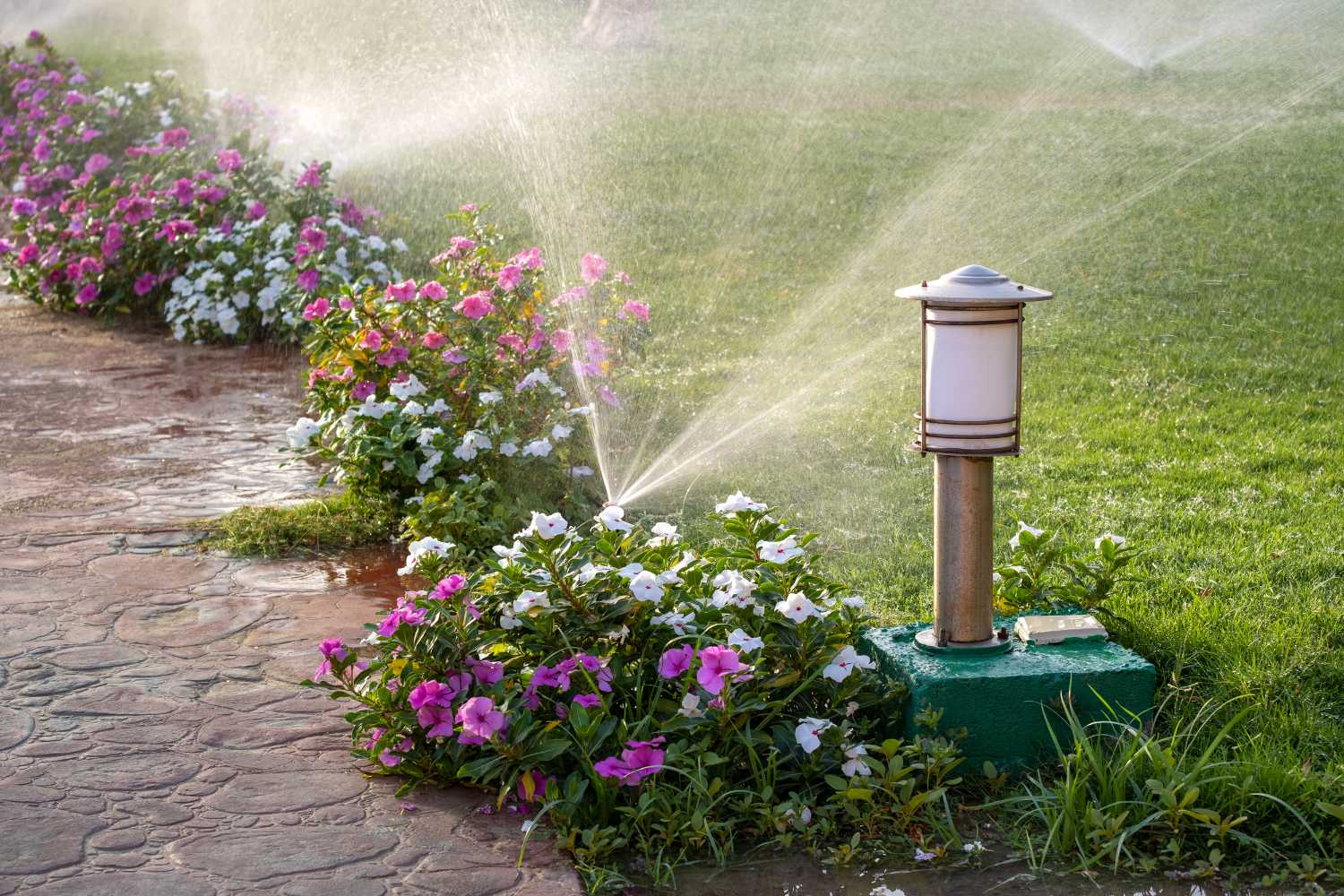
Another behavior to absolutely avoid is the drastic reduction of watering. Many think that as temperatures drop, plants automatically need less water, but September can still bring hot and windy days which increase evapotranspiration. The soil must remain moist but not soaked, maintaining that delicate condition that allows the roots to continue their work without suffering water stress that would weaken the plant before winter.
The temptation of early pruning

The temptation to radically prune perennials is another common mistake of this period. September is not the right time for severe pruning on flowering shrubs or perennials. The branches and leaves, even if they begin to yellow, continue to perform vital functions, transferring nutrients to the roots and protecting the buds that will give life to next year’s vegetation. Premature pruning deprives the plant of these precious energy reserves.
Neglecting soil preparation
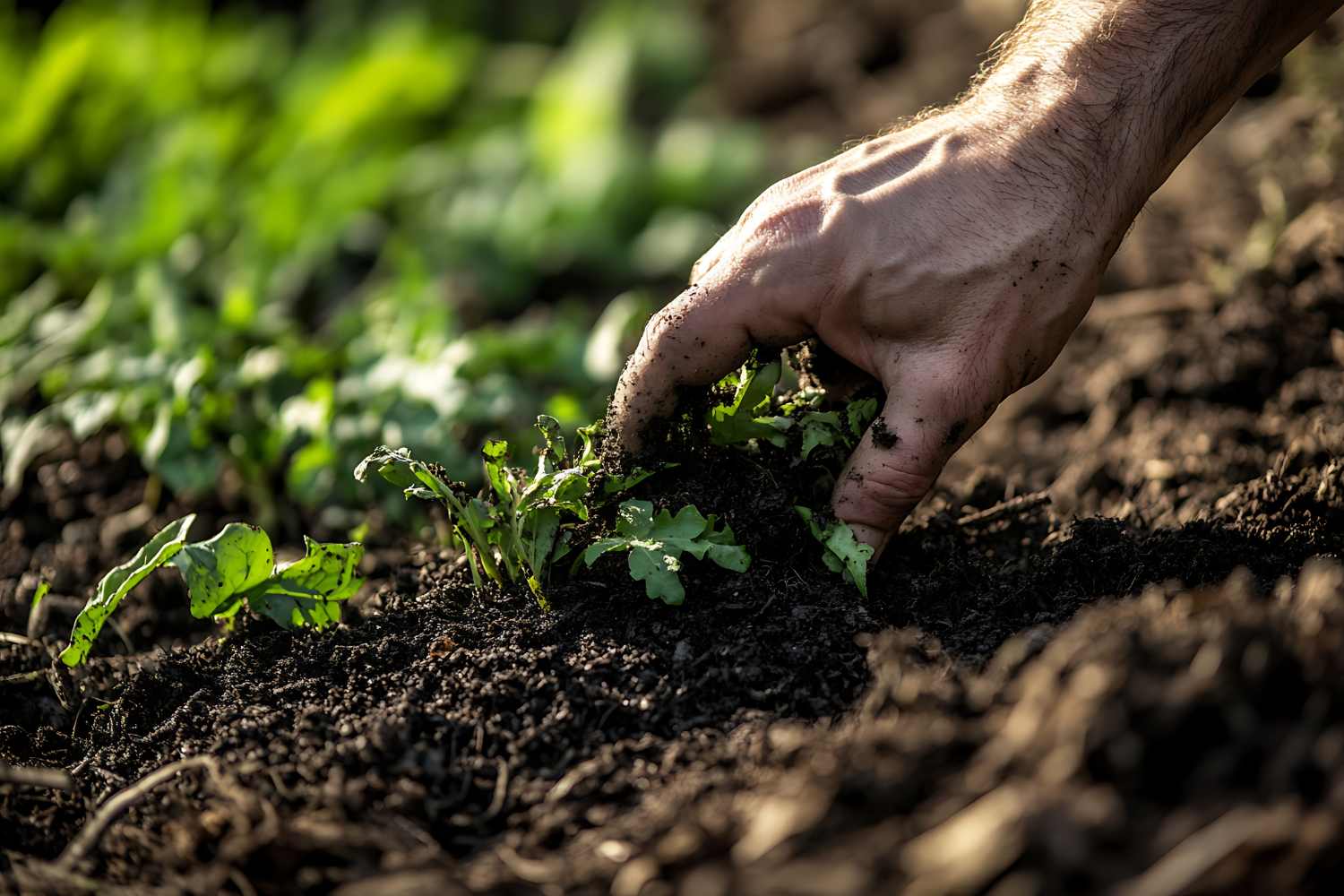
Many people make the mistake of neglecting soil preparation thinking that it is still too early. September is the ideal time to start amending the soil with mature compost or well-decomposed manure. These organic materials will have all autumn and winter to integrate perfectly into the soil, creating the optimal conditions for spring vegetative growth. Postponing this operation means losing a precious opportunity.
The abandonment of potted plants
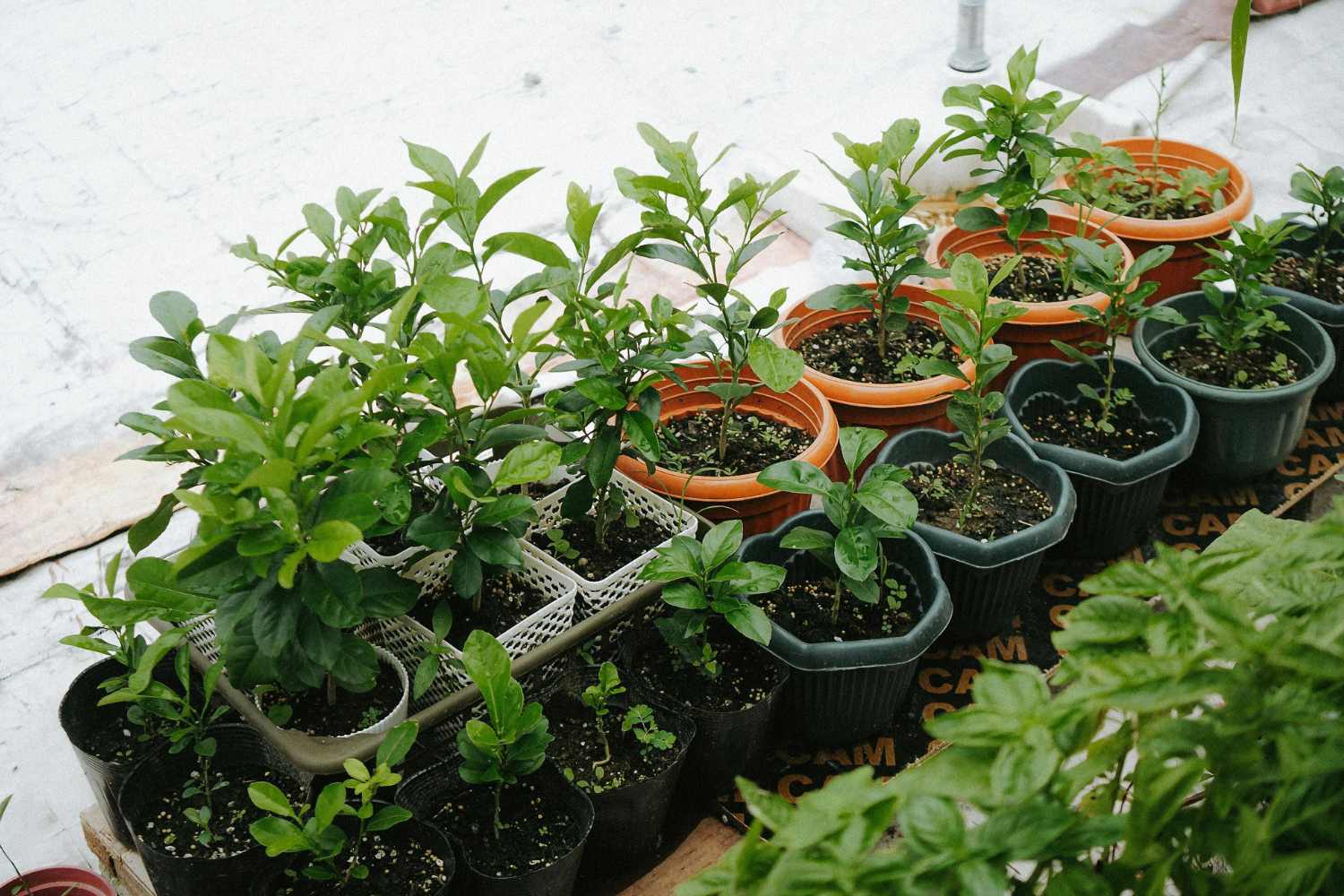
A particularly serious mistake concerns the treatment of potted plants. Many think that it is the right time to reduce care, but plants in containers have different needs than those in the ground. The pot substrate cools and warms more quickly, requiring more careful monitoring of humidity and temperature. Leaving them to their own devices at this critical moment could mean condemning them to a winter of suffering.
The false myths about succulents

The management of succulent plants represents a separate chapter in September mistakes. Many growers think that these hardy plants don’t need any special attention, but the reality is different. September is the time when many succulents resume activity after the summer stasis and require moderate but regular watering. Completely depriving them of water or, on the contrary, over-watering them, can cause rot or fatal dehydration.
The indecisive gardener syndrome

Another behavior to avoid is to continually move plants in search of the perfect position. September is a month of adaptation and plants need stability to prepare for seasonal changes. Frequent moves create unnecessary stress when they should be concentrating their energy on accumulating reserves for the winter.
Ignoring garden hygiene

Neglect in cleaning the garden represents an underestimated mistake but one with serious consequences. Fallen leaves, rotting fruit and plant residues quickly become hotbeds of fungal diseases which find the humid conditions of September the ideal environment to proliferate. Not removing these materials promptly means creating the conditions for health problems that will manifest themselves during the following winter or spring.
Transplants outside the maximum time
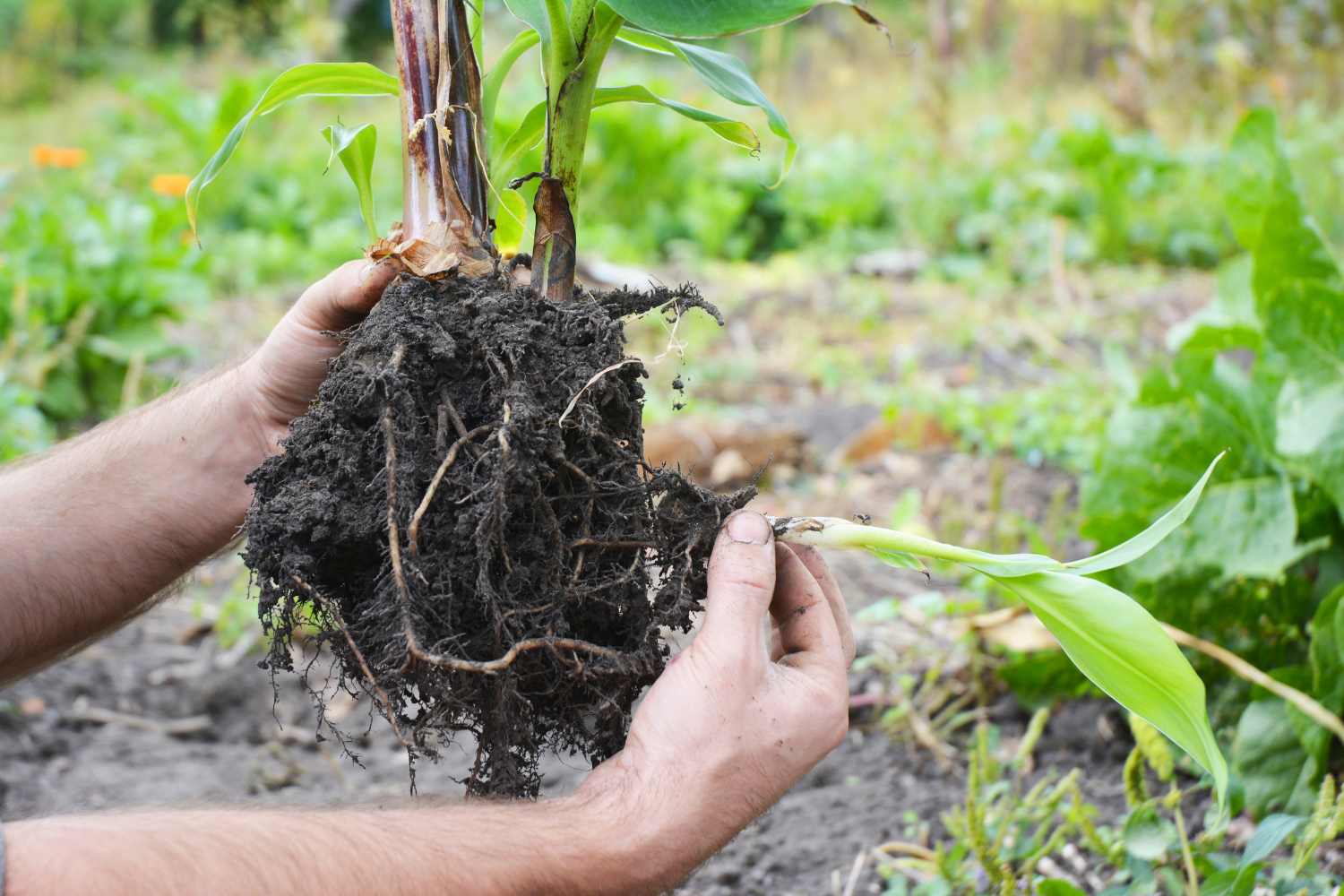
Finally, one of the most common mistakes is to think that September is the right time for large transplants and/or divisions. While some operations can be performed, most plants benefit from these practices in more climate-stable periods. September should be dedicated to consolidation and preparation, not to traumatic operations that require energy that the plant should conserve for the upcoming winter.
The wisdom of the expert gardener lies in recognizing September as a month of delicate transition, where every gesture must be considered and oriented towards winter preparation. Avoiding the most common mistakes means giving our plants the best chance of getting through the cold season and shining again with renewed vigor when spring returns.
