
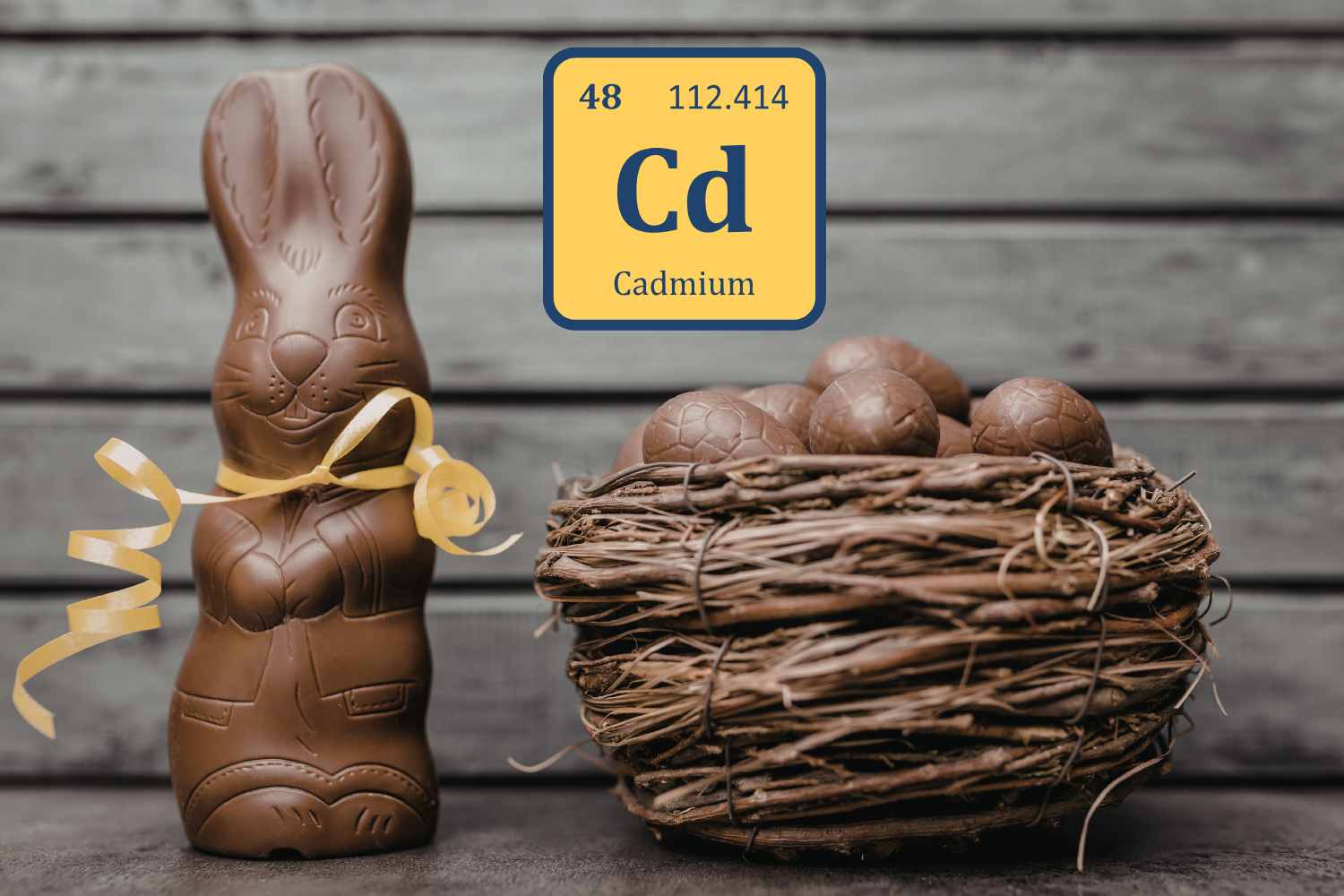
There are only a few days left until Easter and the shelves of supermarkets, shops and chocolate shops are invaded by bunnies, colored eggs and chocolate chickens of all sizes. But what do these sweets really contain, beyond the festive packaging? He thought about answering Que Choisira French consumer protection magazine, which published a detailed analysis of several of the best-selling Easter chocolates in France.
15 types of Easter chocolates were selected, choosing both large international brands (Kinder, Lindt, Milka, Nestlé) and supermarket brand products or specialized chains (Carrefour, Lidl, Monoprix, Action, Jeff de Bruges, Leonidas, Révillon, Cémoi). For each product, three main aspects were analysed: the nutritional profile (calories, sugars, saturated fats), the list of ingredients with particular attention to problematic additives and vegetable oils, and finally the content of cadmium, a toxic heavy metal naturally present in cocoa.
Are they the same products sold in Italy? For the most part yes. Kinder Schokobons, Lindt Gold Bunny (the classic golden bunny), Milka Bunny and Nestlé Smarties eggs can also be found on Italian shelves. Supermarket brand products such as Carrefour or Lidl (with the Favorina line) also have direct equivalents in our country, although the precise references may vary slightly by market. Brands such as Jeff de Bruges and Leonidas, on the other hand, are present in Italy only through their specialized sales points or e-commerce.
The test results
The first data that emerges from the analysis is not surprising, but it is good to keep in mind: all the products tested are around 550 calories per 100 grams, without significant exceptions. Eating a handful of Kinder Schokobons or half a bar of bunny rabbit is equivalent, in caloric terms, to a fast food hamburger. And the cliché according to which dark chocolate is “lighter” is dismantled: if it is true that it contains less sugar than milk chocolate (on average 60% less), it compensates with a higher fat percentage of about 20%. The end result, in terms of calories, is practically identical. Based on the new European Nutri-Score calculation criteria, all the products analyzed fall into category E, the worst.
But calorie content isn’t the most pressing question raised by the test. Cadmium, a heavy metal associated with kidney and bone damage and classified as a possible carcinogen, accumulates naturally in cocoa in quantities that vary significantly depending on the geographical origin of the plant. The soils of Latin America, and in particular of Ecuador, are notoriously richer in this contaminant than those of West Africa (Ghana and Ivory Coast in the lead).
The product that obtained the worst result in this respect is the Gaby dark chocolate bunny by Jeff de Bruges: consuming just 43 grams of it, less than half the pack, would be enough to exceed the daily threshold beyond which the ANSES (the French Food Safety Agency) considers a risk for a 25 kilogram child to be non-excludable. And this without considering all the other sources of cadmium present in the daily diet: cocoa spreads, biscuits, breakfast cereals, chocolate drinks, etc.
ANSES itself, in its latest report from March 2026, reports an alarming fact: despite estimating that almost the entire French population remains below the “tolerable” dose of cadmium, half of adults have urinary levels of the metal associated with a long-term health risk. A contradiction that leads to questions about the adequacy of the current safety limits.
At the other extreme are the heart-shaped milk eggs from the Carrefour Esprit de fête brand: thanks to the low percentage of cocoa and the African origin of the raw material, they would provide between 0 and 2% of the limit dose for a child of the same weight range.
The third evaluation criterion concerned the quality of the ingredients. Here too there is no shortage of surprises. Additives detected in the worst products include glucose-fructose syrup, palm oil, synthetic dyes such as FCF blue and carmine, emulsifiers such as polyglycerol polyricinoleate, and unspecified flavourings. Once again, Jeff de Bruges reaches the bottom of the ranking, despite being a brand positioned in the premium range of chocolate shops.
The product with the cleanest ingredient list is the Favorina milk chocolate duck, sold by Lidl for less than 20 euros per kilo: it contains only two additives and a natural flavour, making it one of the most transparent of the entire sample.
The ranking
Combining all the criteria – cadmium, nutritional values, ingredients, presence of fair trade certifications and indication of the origin of the cocoa – an unexpected ranking emerges.
The 3 best products are:
Following with good scores are:
In the intermediate range are Révillon, Kinder Schokobons, Cémoi and the Lindt dark bunny (the latter penalized by cadmium).
The ranking ends with 5 products that have disappointed on multiple fronts. Nestlé’s Milka milk bunny and Smarties eggs stop at 9.5 and 9.3 points out of 20 respectively, penalized by dodgy ingredients and a problematic nutritional profile. Even worse is Action’s milk bunny (8.2/20), which in addition to a less than clean ingredient list also stands out negatively for its high cadmium content. The Leonidas milk chocolate hen (7.4/20) disappoints despite its positioning as a quality chocolate shop. But bringing up the rear, with a score of just 4.3 out of 20, is the Gaby dark bunny by Jeff de Bruges: the worst product of the entire test, failing both for the ingredients and for the cadmium.
In conclusion, French experts recommend limiting quantities, distributing consumption over time, choosing products with short ingredient lists, preferring cocoa of African origin and being wary of premium brands as an automatic guarantee of quality.
