
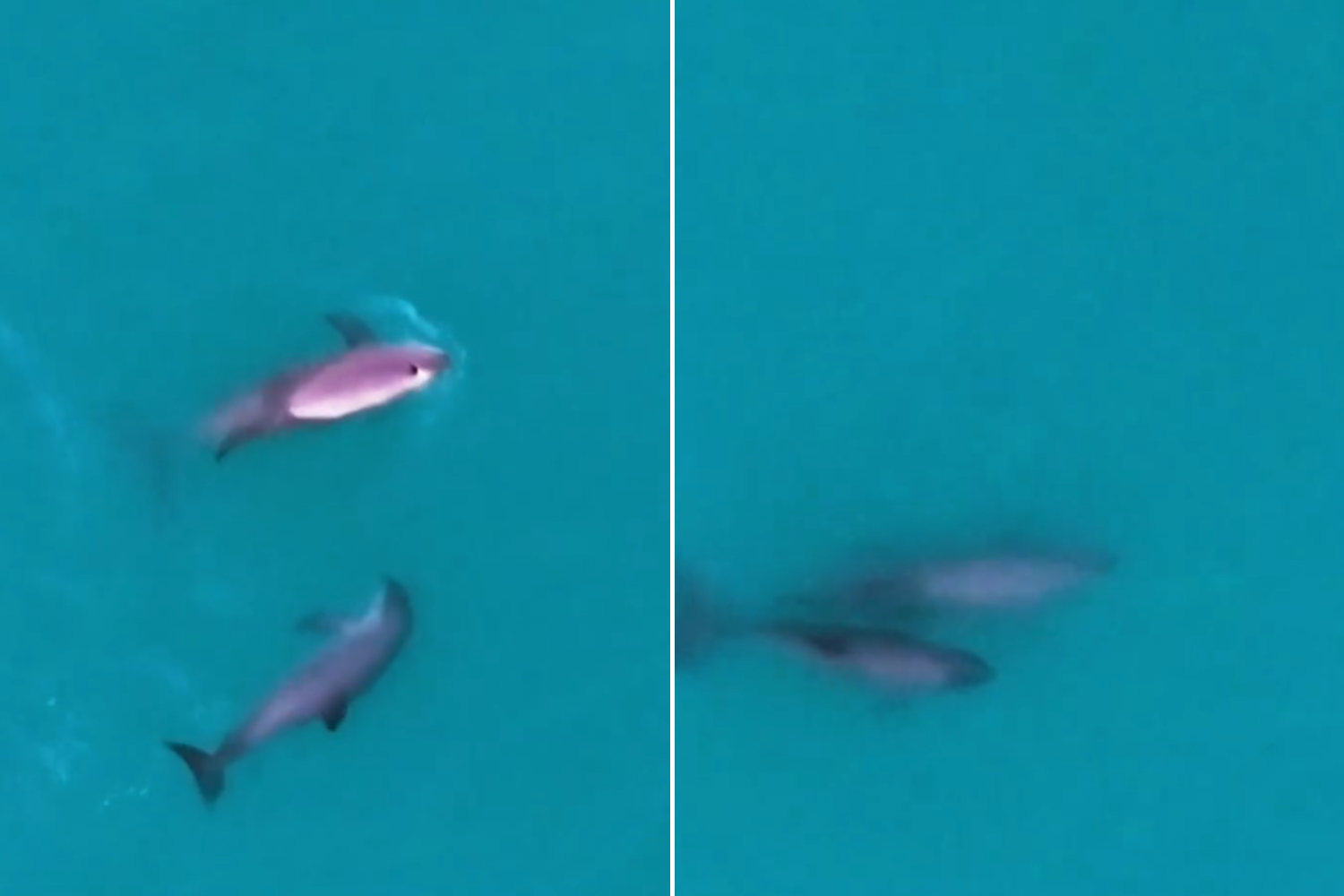
Something happened in the Gulf of California that until recently seemed impossible: a baby vaquita was filmed by researchers during the most recent monitoring operations. The presence of a small confirms that the rarest marine mammal in the world is still capable of reproducing, a precious signal considering that, according to the most accredited estimates, only 7–10 specimens remain.
For years, Sea Shepherd has been the only organization to maintain a large vessel within the Vaquita Refuge, providing scientists and Mexican government officials with a safe platform from which to observe and record the animals’ every movement. The teams on board collaborate with the Mexican Navy to manage logistics, patrol operations and data collection, transforming monitoring into a real protection tool.
Every acoustic detection, every sighting and every change in marine behavior is used to direct interventions to the areas most at risk. The information gathered allows authorities to focus efforts on removing illegal gill nets linked to the lucrative totoaba fish trade, one of the main causes of vaquita decline. Maintaining a constant presence means reducing accidental mortality and supporting an already fragile ecosystem.
The world’s rarest species still has a chance
On the bridge, observers scan the horizon for hours, coordinating between acoustic instruments, visual detections and communications with naval support units. Their daily work is made up of silent but decisive operations: checks, mapping, recovery of dangerous equipment and direct dialogue with government teams such as PROFEPA. The images captured during the survey show the intensity of these days: crews at work, institutional visitors on patrol and technicians preparing essential scientific instruments.
The Vaquita Defense campaign combines patrols, rapid interventions and science-based strategies. Every day spent in the refuge takes away space for illegal fishing and gives breathing space back to a species on the brink of disappearance. The sighting of the calf demonstrates that, despite the critical risk it faces, the vaquita can still respond when the ecosystem is continuously protected.
View this post on Instagram
You might also be interested in:
