
On the night between 17 and 18 August, inside the LJ breeding farm in Eboli, in the province of Salerno, a sudden heart attack killed Varenne, known throughout the world by the nickname The Captain, at the age of 31. Born on 19 May 1995 on the Zenzalino stud farm in Copparo, in the province of Ferrara, from the horse Waikiki Beach and the mare Ialmaz, the animal was purchased by the entrepreneur Enzo Giordano and driven on the track by the driver Giampaolo Minnucci, under the technical direction of the Finnish trainer Jori Turja. The trotter leaves a legacy of sporting records but also of profound ethical questions about the use of animals in competitive entertainment.
@varenne_official/Instagram
A list of awards worth millions of euros and a career as a stallion
Varenne’s sporting career recorded 62 victories out of 73 races held, accumulated until his retirement in September 2002 in Montreal. His palmarès boasts epochal triumphs in the Italian Trotting Derby (1998), in the Agnano Lottery Grand Prix (2000, 2001, 2002), in the Prix d’Amérique and in the Elitloppet (2001 and 2002), up to the US Breeders Crown, scoring a double Grand Slam. With over 6 million euros earned in prizes, he was crowned Horse of the Year in Italy, France and the United States. After his farewell to the racing circuit, the owners used him as a stallion, siring over 2,000 offspring, five of whom went on to win the Italian Derby.
Beyond Glory: The Golden Prison and Ethics in Horse Racing
Behind the triumphs and clamor of the newspapers, the Varenne story also represents the symbol of a complex condition. The millionaire prizes collected during his career did not benefit the animal, but its owners, relegating the champion to a life spent in boxes, forced training and programmed reproduction. Its existence was that of a real golden prison, lived distant from the natural rhythms of the species and from socialization with its peers.
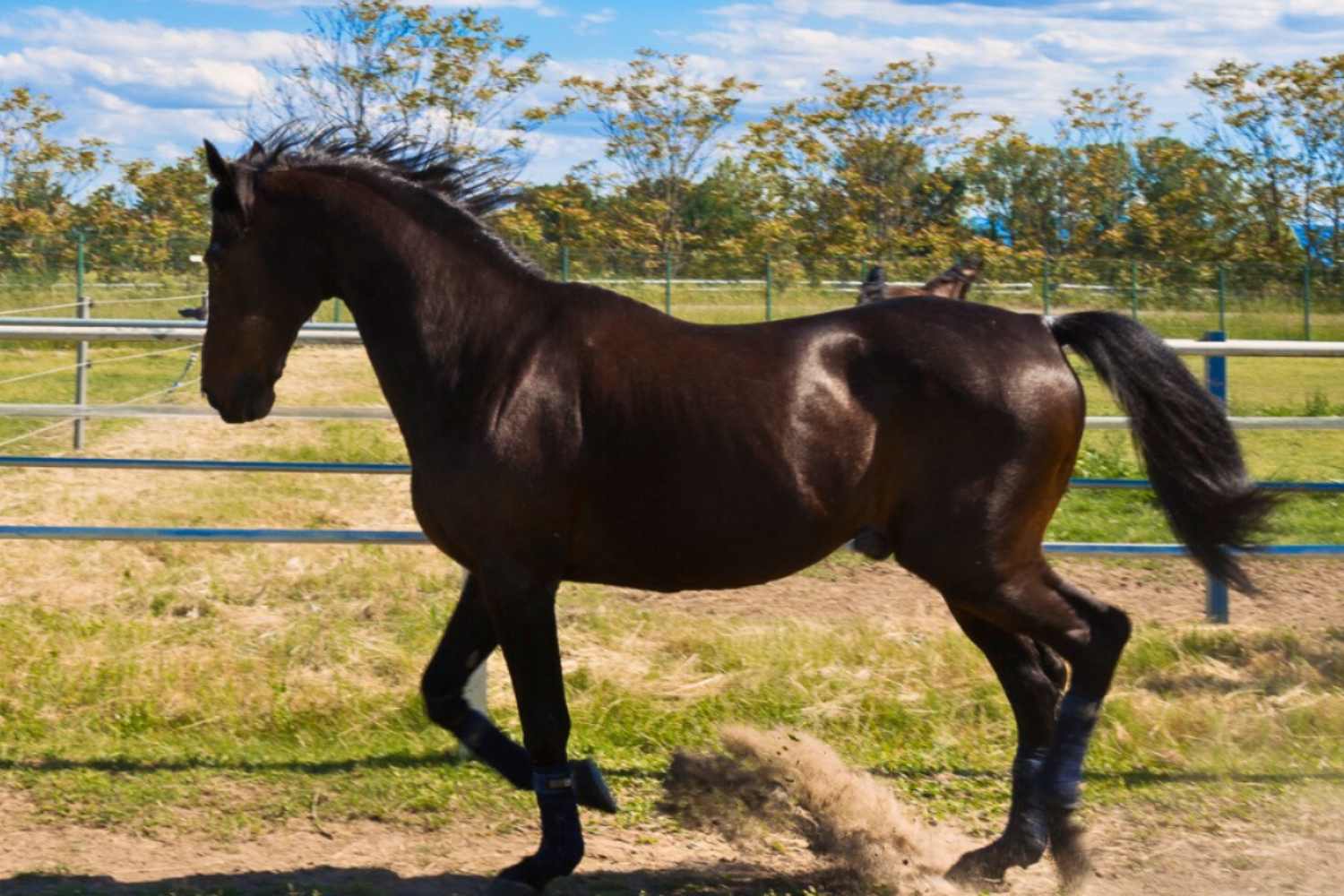
@varenne_official/Instagram
The fate of invisible horses away from the spotlight
If Varenne’s death makes the front pages of newspapers thanks to the titles won on the track, his disappearance turns the spotlight back on the fate of all the invisible horses. Thousands of specimens without winning aptitude are used every year in the minor trot and gallop circuits, facing intense rhythms only to be discarded as soon as they cease to be profitable. The end of the most famous trotter in history therefore requires a radical reflection on the meaning of animal sport, asking whether the applause of the racecourses can really justify the commercial exploitation of equine life.
