
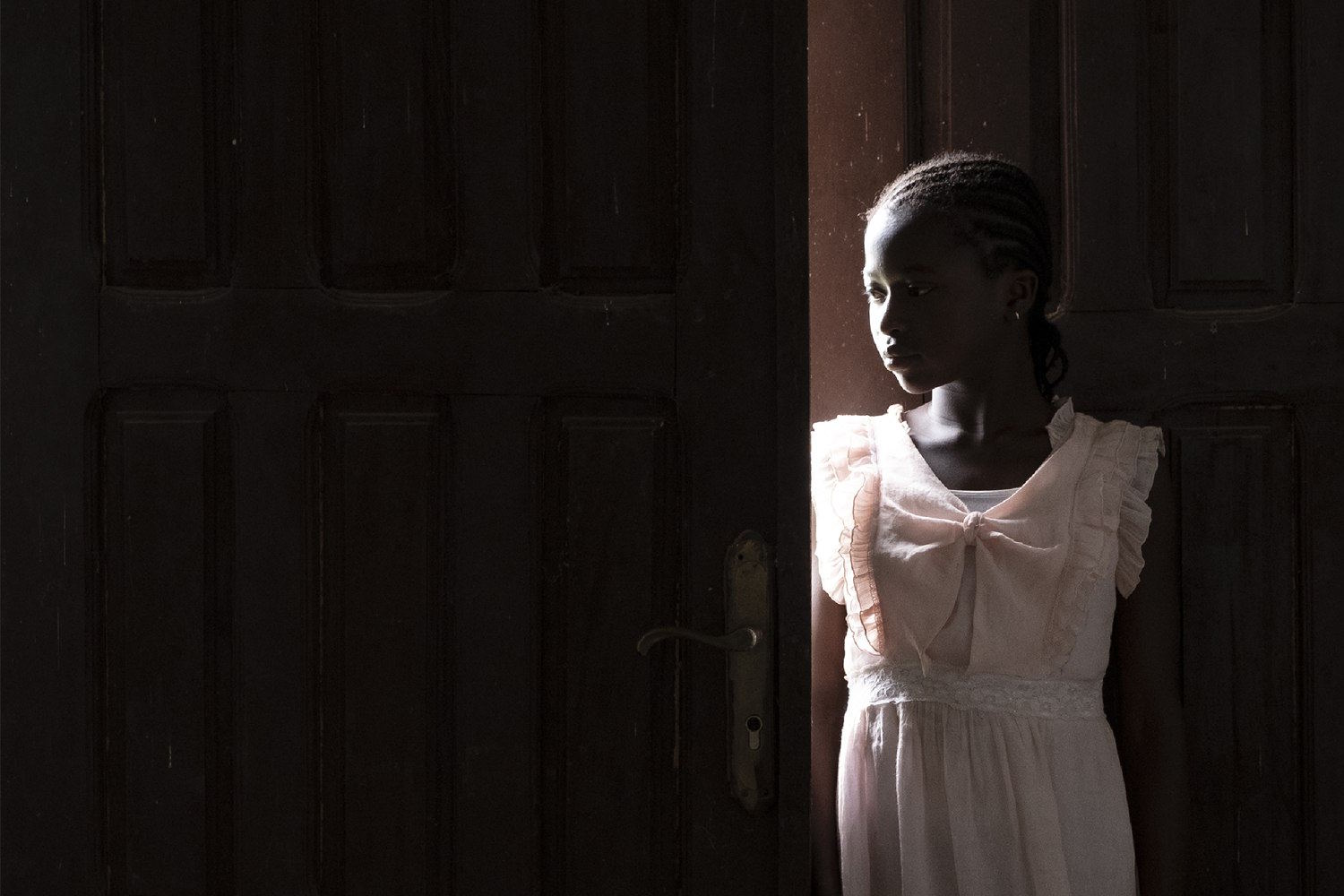
Almost 90 thousand women and girls have undergone genital mutilation, with both immediate and long-term complications, including gynecological, obstetric, sexual and psychological problems. A huge number that does not concern any country in the world, but ours.
That’s right: FGM also represents a significant reality in the Italian context, where it is estimated that as of 1 January 2023 around 88,500 women and girls over 15 have already undergone this practice (of which 98% were born abroad). Furthermore, around 16 thousand girls under 15 are potentially at risk, and of these 9 thousand were born in Italy.
A tradition that is paradoxical, but breaking it – even here – is an arduous challenge, linked to complex historical and cultural factors, but above all to a series of structural flaws and weaknesses in the Italian institutional response system. In short, the socio-cultural context, combined with the inefficiency of political and institutional responses, makes it difficult to combat this phenomenon, despite attempts at legislation and preventive policies in place.
ActionAid outlines a precise picture and is clear on one point: FGM is not an isolated phenomenon, but a symptom of a deeply rooted system of values and norms. In many communities, this practice is closely linked to dynamics of power, control and subordination of women.
The cultural roots of these practices are fueled by discriminatory gender norms (FGM is often used as a tool of body control); social integration and marriages (in many communities, mutilation is seen as a requirement for social integration and acceptance); unfounded justifications (often, FGM is defended as cultural traditions or religious practices).
Because in Italy the law is not enough
Because the gaps in the application of Law 7/2006 to prevent and prohibit female genital mutilation are numerous and worrying. The response system is in fact fragmented and disorganised, with serious difficulties in monitoring and effectively combating the phenomenon.
Although measures have been put in place to combat the practice, their implementation remains uneven and often ineffective. There is no well-structured and coordinated system that promotes prevention, early identification and support for victims. Furthermore, another critical issue concerns the lack of updated and systematic data on the spread of FGM and the use of public funds intended to combat the phenomenon.
Between 2011 and 2025, ActionAid say, out of over 14 million euros allocated to the Department for Equal Opportunities, more than 9 million are unused or not clearly traceable.
This is because there is poor integration between the various ministries involved, such as those of Health, Interior and Foreign Affairs, and the national anti-violence system (FGM is often treated as an isolated phenomenon, without fully considering it as a form of gender violence) and reporting channels, such as the national toll-free number (800.300558), have proven to be ineffective. Reports to the competent authorities are extremely limited, with only 11 cases reported to the police in sixteen years of activity.
The limit of early identification
The great difficulty in combating female genital mutilation in Italy lies in the lack of an effective system for the early identification of victims. The practice is often discovered when the woman presents for other reasons (such as a gynecological visit or childbirth), making timely intervention difficult. There is no monitoring system that proactively identifies girls at risk.
A possible solution suggested by experts is the adoption of multi-agency “intervention chains”, involving key figures such as Community Trainers.
They are precisely those who, directly belonging to the communities at risk, could act as mediators between health and social services and women, facilitating dialogue and trust, essential for the emergence of the problem.
Female genital mutilation continues to be practiced especially in rural areas, particularly among less educated communities – explains Samuel Francis Ononge, Coordinator of a project against female genital mutilation in the Sebei and Karamoja areas for ActionAid Uganda. There is a very marked gap between those who have access to education and those who do not: in communities where education is widespread the practice is almost non-existent, while in illiterate ones it remains deeply rooted. Another critical element is the cross-border dimension of the phenomenon.
It seems like a very distant story from us, but how much – in reality – is it not?
In short, the fight against FGM also in Italy requires a systematic commitment that goes beyond legislation alone, which rather aims at structured and coordinated action between institutions, health professionals, law enforcement agencies and the communities themselves.
Wouldn’t the combination of effective prevention policies, social education and support for victims be the only way to stop this devastating practice and to guarantee women and girls the right to a life free from violence and discrimination?
