
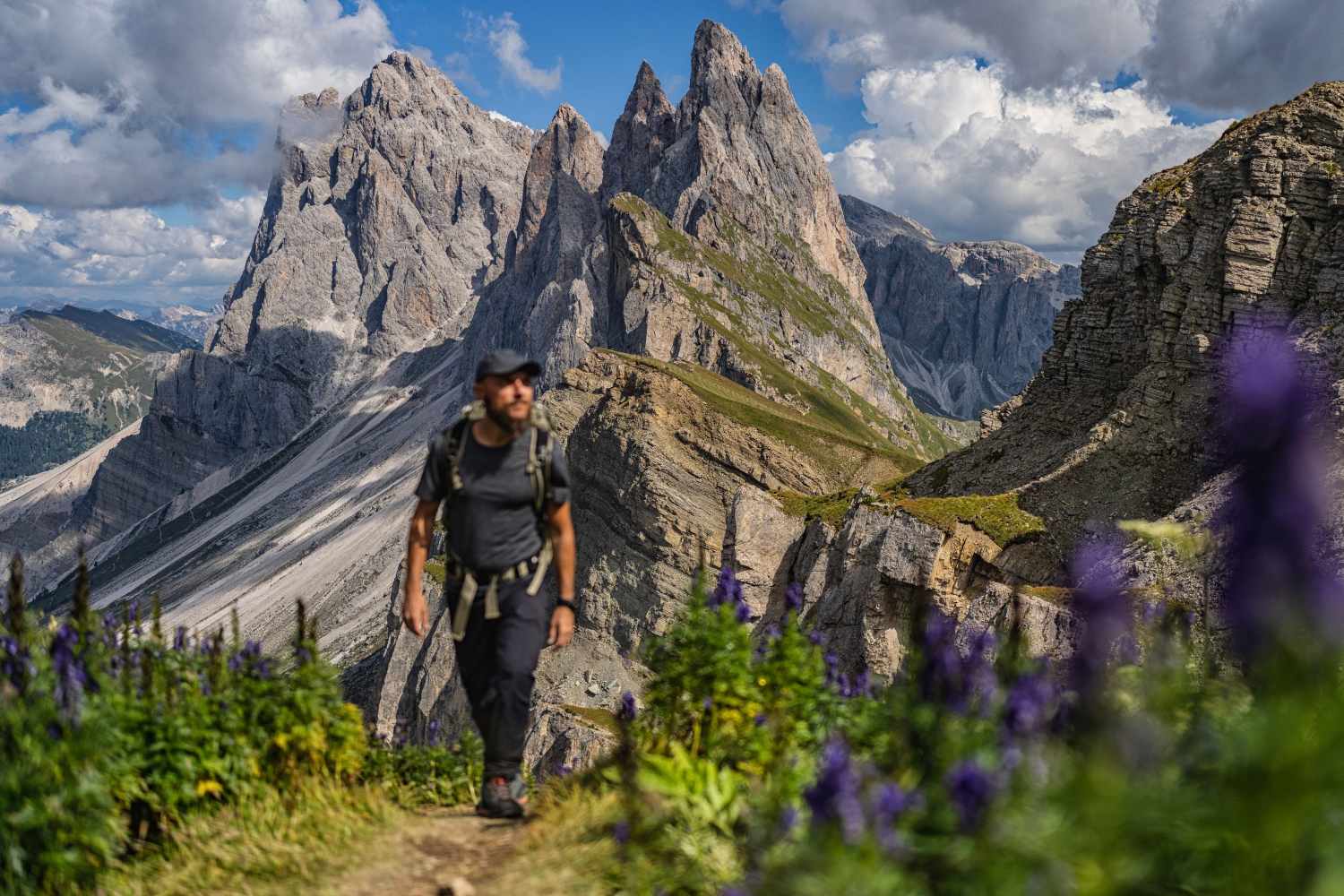
The Dolomites return to the center of the debate on overtourism and Val Gardena once again becomes the symbol of an increasingly fragile balance between nature and the influx of visitors. The case mainly concerns Seceda, one of the most photographed scenic destinations in Alto Adige, where in recent years images of endless queues, saturated facilities and congested paths have multiplied. To address the situation, from 22 May access to the facilities will be managed with mandatory online booking and pre-established time slots, in a system similar to that of rail transport. But along with the regulation of flows also comes a significant increase in costs: the return ticket goes from 52 to 74 euros, a choice that is already fueling the debate on a possible “economic selection” of visitors. The plan is the result of months of discussion between the municipalities of Ortisei and Santa Cristina, the Seceda installation company, the provincial association of tourist organisations, Idm Alto Adige and the Val Gardena Mobility Centre.
View this post on Instagram
The controversies of last summer and the case of the turnstiles on the path
The new plan arises from an explosive summer season, when the valley was overwhelmed by an unprecedented wave of daily tourism. Images of clogged paths, paralyzed traffic in Ortisei and long waits at the lifts have made the rounds on social media, transforming the area into a national case of overtourism.
There is controversy in Trentino Alto Adige due to the onslaught of tourists looking for a selfie.
In particular yesterday at #Secede hundreds of people queued for the funicular in the scorching sun, only to sprint on #Dolomites a photo to post on social media. The president of… pic.twitter.com/5KVParkmmj— News on the contrary (@not_contro) July 23, 2025
The most discussed moment came when some owners of the pastures near Seceda installed a paid turnstile on a private panoramic path, in an attempt to limit the continuous access of tourists and report damage to the meadows, abandoned waste and behavior considered disrespectful. The system did not last long: the Province removed it, remembering that the route was part of the public area of the Park Authority. Despite the removal, the gesture sparked a strong clash between residents and tourist operators on the one hand and environmentalist associations on the other. For the former it was an extreme sign of exasperation, for the latter it was a drift towards the privatization of the Alpine paths.
Tourism under accusation and an increasingly fragile mountain
Local institutions then attempted to take measures with controls and rangers in the most crowded areas, but the problem remained structural. Also important is the strong social exposure of Seceda, which over the years has become a “viral” destination thanks to images shared by influencers and international personalities. Today the central issue remains the same: how to reconcile the protection of a delicate Alpine ecosystem with a constantly growing tourist flow. The Italian Alpine Club insists on the need for a paradigm shift, where the mountain is no longer a product to be consumed but an environment to be preserved. The reservation system and price increases represent a first attempt at regulation, but the discussion has only just begun. Val Gardena, meanwhile, is preparing for another high-pressure summer, between the desire to welcome and the increasingly urgent need to protect the Dolomites from excess tourism.
You might also be interested in:
