
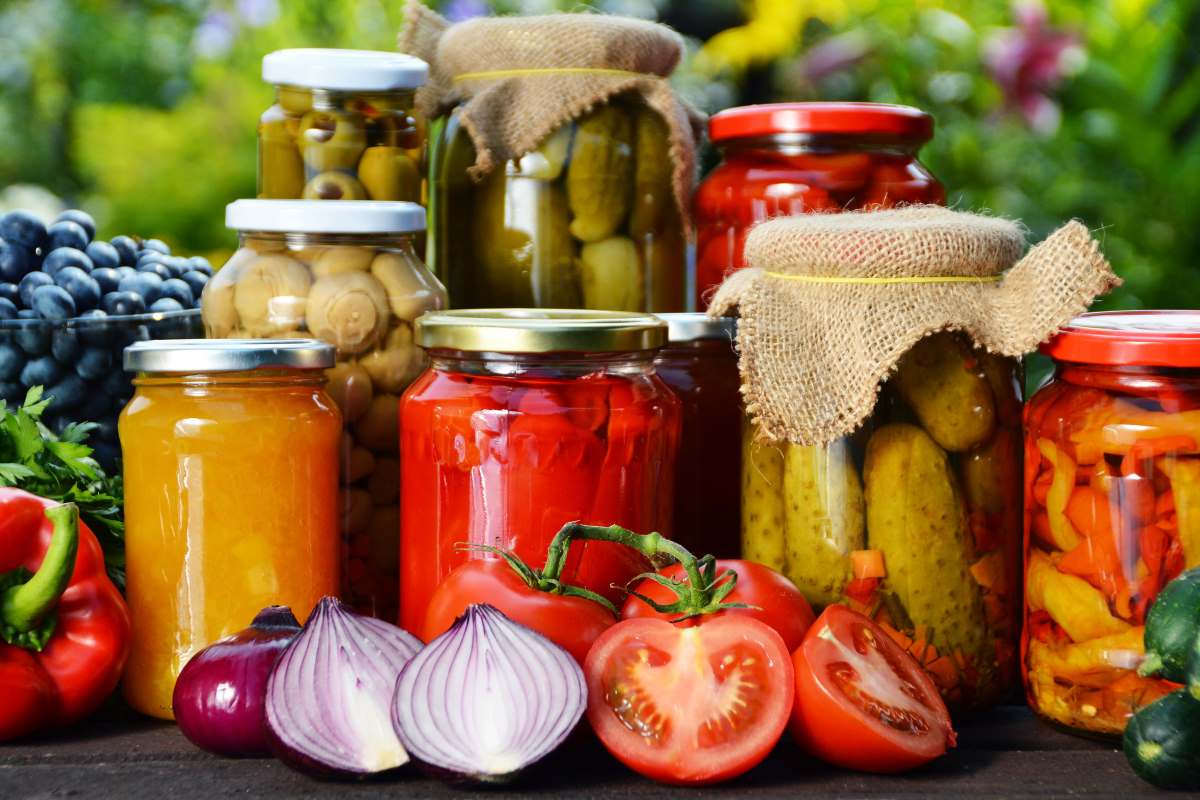
Homemade things are better and healthy, you know. We can choose the best ingredients to prepare them and be sure of the quality of what we bring to the table.
It is important, however, when it comes to food preserves (past tomatoes, vegetables in oil or underworld, etc.) know how to prepare them safely, avoiding exposing us to the danger of bacteria such as the feared botulinum.
A threat called botulinum
We cannot absolutely minimize or leave out the safety aspect in the kitchen. The Clostridium Botulinum is a very dangerous bacterium that can contaminate food through a toxin that if ingested can also cause death. Industrial foods do not present this risk while home made food preserves can be subject to the presence of botulinum.
Usually the symptoms occur from a few hours to over a week after the consumption of the contaminated food (6 hours 15 days). Obviously the more early is the appearance of the most severe symptoms will be the disease. The symptoms are of various types, but the most common, according to the Higher Institute of Healthcare are:
In the most serious forms there is respiratory insufficiency that can have a fatal outcome for blocking nervous conduction to the muscles responsible for breathing. The characteristic symptomatology of botulism has a symmetrical progression (it affects both the right and the left and descending left hemisphere (from the head, to the neck, to the chest, up to the paralysis of the limbs) and manifests itself with a flaccid paralysis, concludes the ISS.
However, if diagnosed in time, the disease can resolve totally. In any case, prevention comes first. We then asked the food technologist, Maria Chiara Venturini, some advice to better prepare food preserves.
How to prepare the preserves safely
The preparation of home preserves is an ancient art that allows us to enjoy authentic flavors throughout the year. However, to keep the characteristics of authenticity and quality of fresh foods that we seek so much, it is essential to follow precise food safety standards.
The importance of personal hygiene
The first and most important pillar for the safe preparation of preserves is personal hygiene. As the expert Maria Chiara Venturini points out, we often care to choose good, healthy and quality foods, but we forget that in order to preserve these characteristics over time we must adopt rigorous hygienic behavior.
The fundamental rules:
Workplace hygiene
The environment of the kitchen where we prepare the preserves must respect rigorous conditions of hygiene:
Sterilization of containers
The sterilization of glass jars represents a phase of crucial importance in the conservation process. This step guarantees the elimination of potentially harmful microorganisms that could compromise the safety and quality of the final product.
Selection of ingredients
To obtain safe and quality preserves it is essential:
The importance of acidifying
The addition of natural acidifiers such as lemon juice or vinegar represents an effective strategy for:
Follow Recipes Testured
A fundamental aspect for the safety of home preserves is to follow tested and reliable recipes. Improvisation in this field can be dangerous, since each ingredient and each process has a specific role in guaranteeing the food safety of the final product.
The preparation of safe preserves requires attention, method and compliance with precise rules. Following these fundamental advice – from personal hygiene to the sterilization of the containers, from the selection of ingredients to the use of reliable recipes – we will be able to preserve all those characteristics of authenticity and quality over time that we are looking for in fresh foods, enjoying our homemade products in total safety.
