
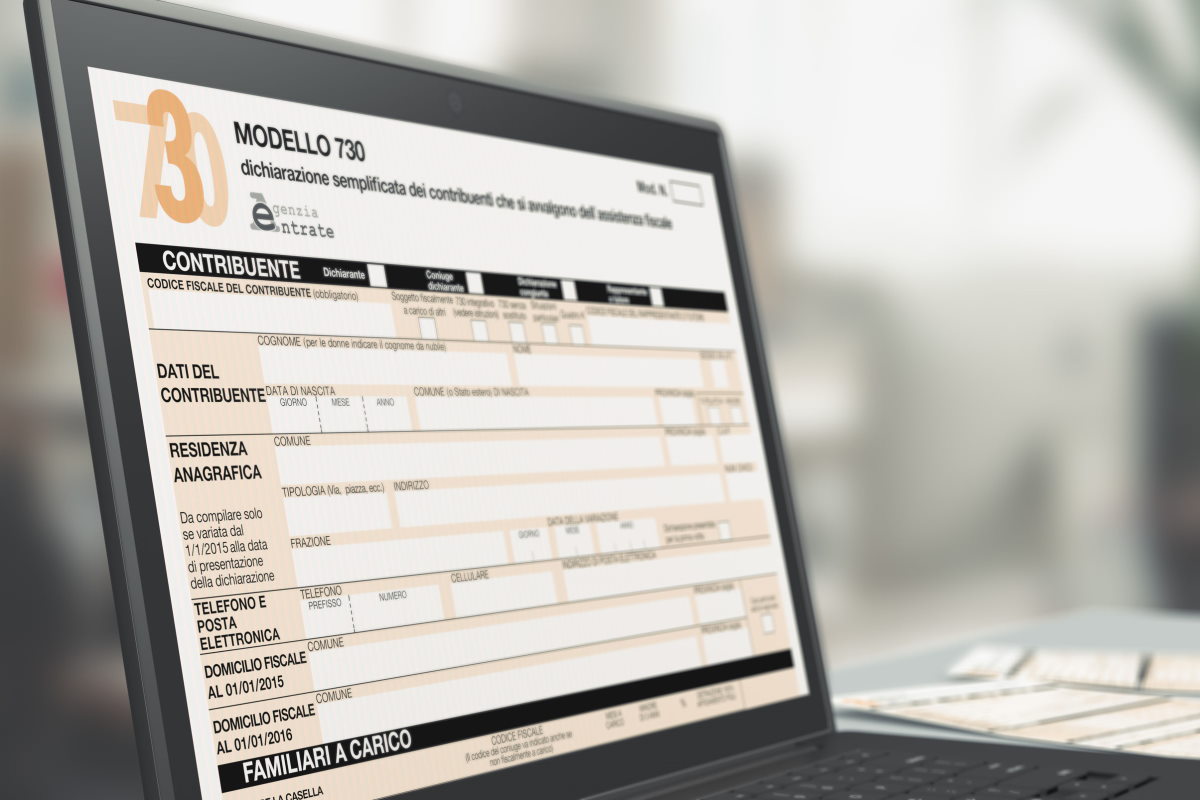
The Model 730 campaign enters its final phase and it becomes important for taxpayers to respect the last dates set for sending the return. The deadlines concern not only the transmission of the form, but also the timing of reimbursements, the possibility of correcting any errors and the checks that can slow down the disbursement of the sums due.
September 30th is the prime date for sending the 730
The most important deadline is September 30th. By this date, citizens must complete the sending of the pre-compiled form through the Revenue Agency portal, while CAF and professionals must send the collected declarations. Compliance with the deadline allows the adjustment operations to be started regularly.
Before the final appointment there is an intermediate step: by 15 September the tax intermediaries must complete the transmission of the declarations collected between 16 July and 31 August. This mechanism allows you to organize the processing of practices across different time windows.
When refunds arrive
The date of submission of the declaration may affect the crediting times of refunds. Those who send the 730 in the final part of the available period could receive the Irpef credit in the months of November or December. For pensioners the wait may be longer due to the technical times required for processing by INPS.
How to fix errors after the deadline
After September 30th it is no longer possible to use the ordinary Form 730, but some procedures remain to modify or integrate the declaration.
If the error concerns an advantage for the taxpayer, such as the failure to indicate deductible expenses, it is possible to submit a supplementary Form 730 through CAF or intermediary by October 26th.
The situation is different in which the correction involves an increase in taxes to be paid or a reduction in credit. In these cases it is necessary to use the corrective Personal Income Model, with a deadline scheduled for November 2nd. For errors discovered subsequently, the supplementary Income Model remains available, together with the voluntary repentance.
Revenue Agency controls on refunds
In addition to the deadlines, taxpayers must also consider the preventive checks of the Revenue Agency. The checks may concern declarations with significant changes compared to the pre-compiled one or those that provide for a refund of more than 4,000 euros.
When the control is triggered, the Agency carries out checks by cross-referencing the data available in its databases. The refund can therefore be temporarily suspended and the taxpayer must keep the necessary documentation to demonstrate what has been declared.
