
Strategies on prevention, epidemiological surveillance, clinical management and health logistics of supply chains: almost three years after the WHO declared the end of the Covid emergency in May 2023, the new pandemic plan finally arrives.
Unlike the previous one, it lasts five years, from 2025 to 2029. Approved at the State-Regions Conference, it focuses on respiratory pathogens such as the coronavirus but also on a model applicable to pandemics with different characteristics, and provides for the possibility of activating measures, including smartworking and restrictions, which can be modulated depending on the epidemiological situation.
For the new plan, 50 million euros have been allocated for 2025, 150 million for 2026 and 300 million per year from 2027. The resources will be distributed between the Regions until 2029 based on the resident population on 1 January 2024.
What the new Pandemic Plan provides
Smart working and flexible working
Among the central measures is the strengthening of smart working and, more generally, flexible working methods, especially to protect the most fragile workers and limit the spread of infections in closed places.
Remote working is therefore officially included among the health prevention tools to be activated in the event of an epidemiological emergency.
Masks and protective devices
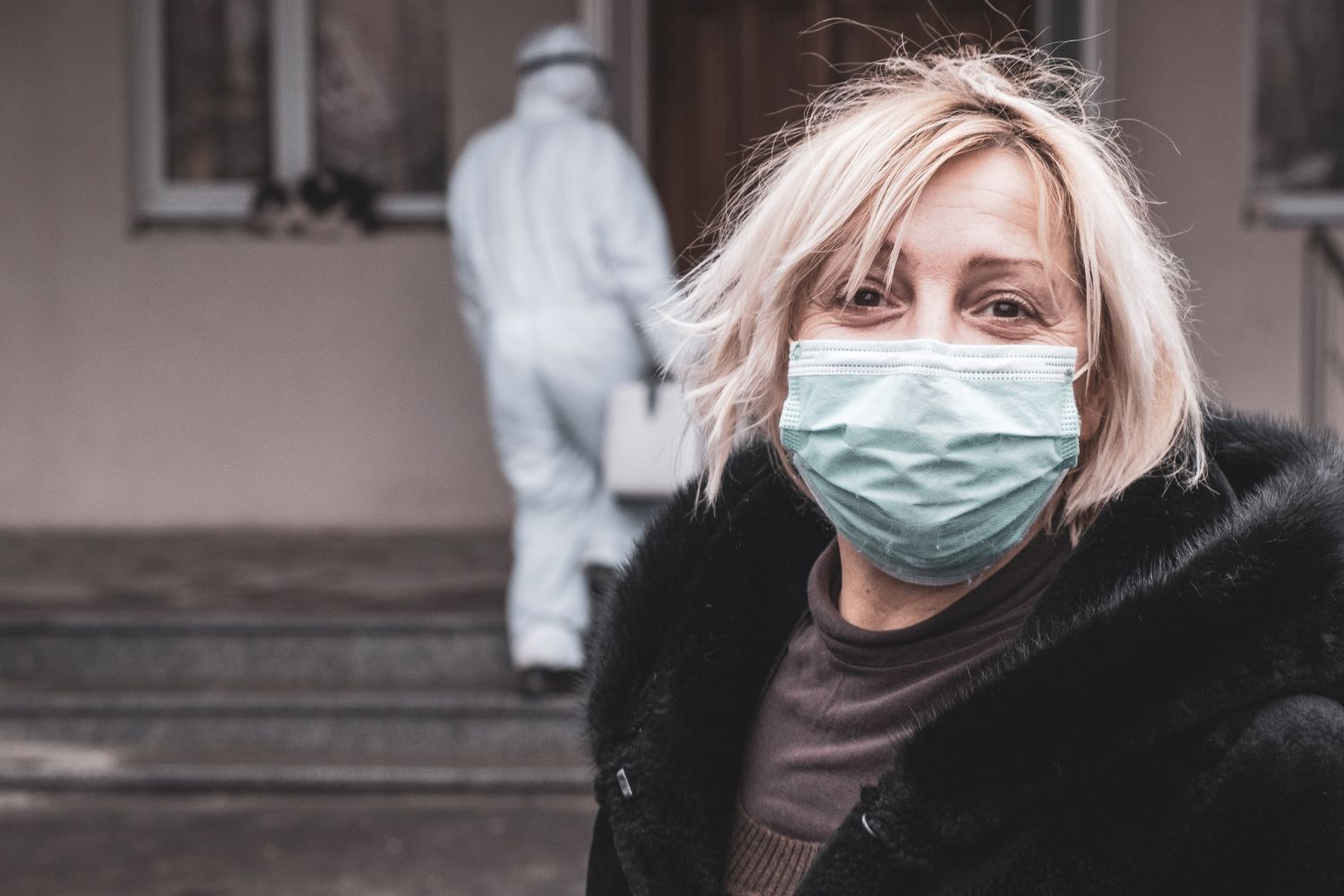
The Plan confirms the possible use of masks and other personal protective equipment in the most critical phases of a pandemic.
In fact, the document underlines the importance of PPE as useful tools to reduce the transmission of respiratory viruses, together with other containment measures.
Vaccines
In the new Pandemic Plan, vaccines are defined as “effective” tools to counter the health impact of future pandemics.
Furthermore, the common European procurement model, already tested during the Covid emergency, with coordinated purchases at EU level, remains confirmed.
No automatic lockdowns
One of the most discussed points concerns restrictions. The document specifies that there are no automatic generalized lockdowns like those experienced during Covid-19. But the Plan leaves open the possibility of introducing restrictive measures that can be modulated based on the severity of the epidemiological situation. They may be adopted through ordinary laws, decree laws or other acts with the force of law.
Mechanical ventilation in schools, offices and transport
Among the new features there is also a reference to controlled mechanical ventilation systems. In fact, the Plan envisages the use of systems for the exchange and filtration of air in schools, workplaces and on public transport, considered key elements for limiting the spread of respiratory pathogens in closed environments.
Meanwhile, while the document has already sparked political and scientific controversy, a consideration arises spontaneously: after the Covid pandemic, the new Plan tries to build a more structured strategy for the future. But the real test, as always, will be the ability to transform guidelines and allocated funds into tools truly ready to work when really needed.
