
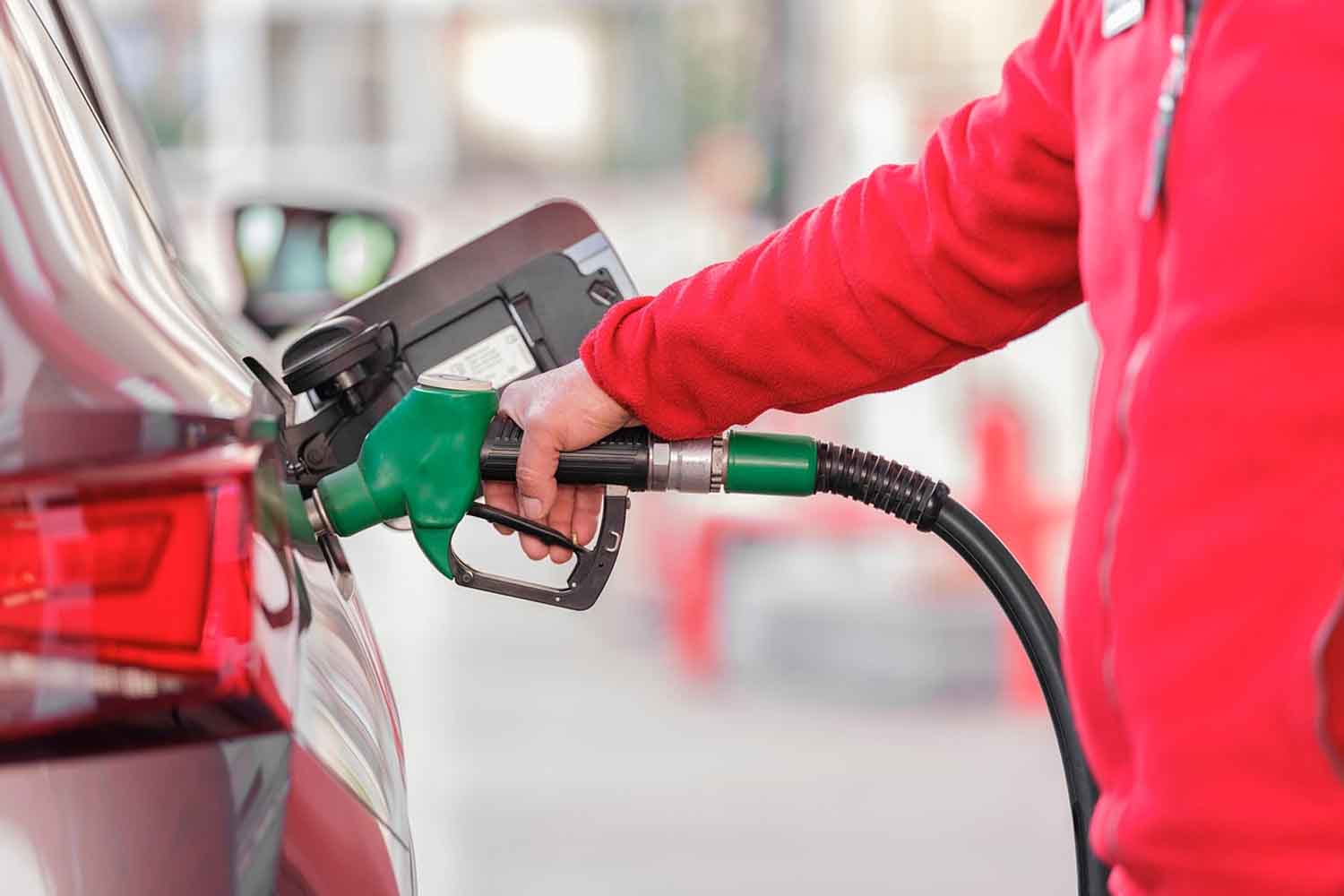
The price of fuel continues to weigh on the budgets of Italian families. Each refueling represents an increasingly significant expense and for this reason the issue of excise duties on fuel remains at the center of the measures designed to contain the effects of high energy prices.
The hypothesis of a new extension of tax discounts could offer temporary support to motorists, with the aim of reducing the final cost of petrol and diesel at the pump.
Fuel excise duty: why it affects the price of petrol
The price consumers pay when they fill up does not just depend on the cost of oil. A significant part is determined by the fiscal component, made up of excise duties on fuel and VAT.
For this reason, a tax intervention can have immediate effects on the price of petrol and diesel. A temporary reduction in the tax burden can in fact lighten expenses, especially for those who use the car every day for work or family needs.
Possible extension of fuel discounts
The measures under study include a possible extension of fuel discounts, albeit with a smaller amount than previous interventions.
The objective is to accompany consumers in the transition phase towards new support tools, avoiding sudden increases in the price at the pump. The duration and value of the discount will depend on available resources.
Fuel bonus for workers
In addition to the reduction of excise duties, possible economic aid is also being evaluated for some categories of workers with lower incomes.
Among the hypotheses considered is a fuel bonus of 150 euros for employees and self-employed workers who meet the required requirements. However, the measure must be defined in detail before any introduction.
More expensive fuels: consumers’ alarm
The increases in petrol and diesel prices are generating concern among consumer associations. According to estimates released by Adusbef, the higher cost of supplies could translate into hundreds of euros of additional spending per year for motorists.
For a diesel car, considering two tanks per month, the estimated increase would reach approximately 695 euros per year, while for a petrol vehicle the increased expense would be more than 465 euros.
The association calculates a possible overall impact of close to 19 billion euros per year for Italian families, with effects on purchasing power and consumption.
What consumer associations are asking for
The associations are calling for more incisive interventions to contain the price of fuel. Among the proposals put forward are a further cut in excise duties and temporary measures to limit the increase in prices at the pump.
According to the associations, the high cost of fuel can also have indirect consequences, increasing transport costs and affecting the prices of numerous goods and services.
What motorists need to know
For those who use the car daily, a reduction in fuel excise duty can represent a concrete saving, even if the benefit depends on the size of the discount and the duration of the measure.
Future decisions will establish which aid will be confirmed and which consumers will be able to benefit from it. Meanwhile, containing energy costs remains a major concern for families and businesses.
