
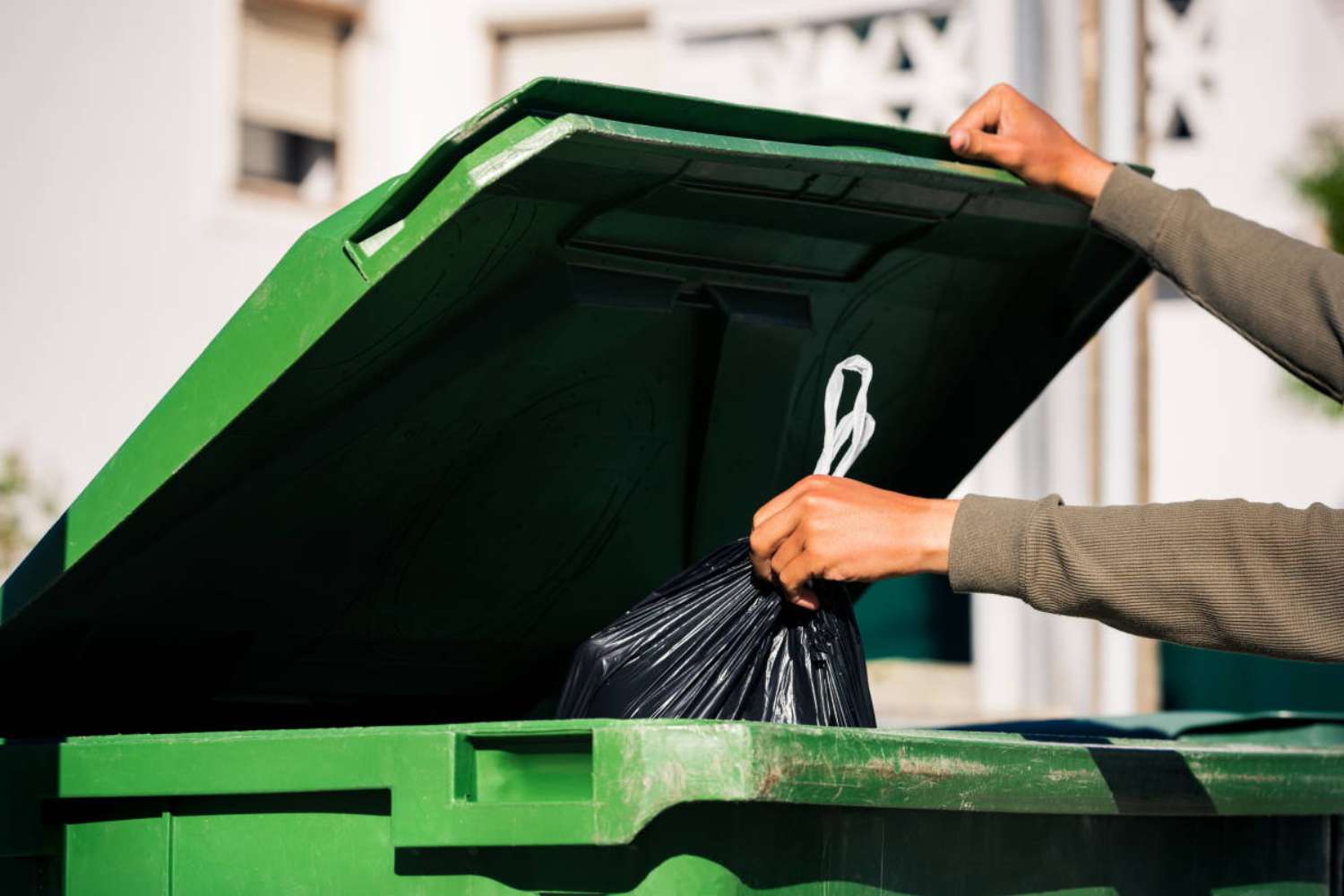
From 2026, the TARI will gradually give way to the TARIP, the Punctual Waste Tariff. This new system does not change the nature of the tax, but revolutionizes the calculation method, making it more fair and sustainable. Unlike the old tax, which only considered the surface area of the home and the number of residents, the TARIP measures the actual quantity of undifferentiated waste produced. In this way, those who differentiate better and produce less waste can benefit from a reduced amount.
How TARIP works
The principle behind TARIP is the so-called “Pay As You Throw”, i.e. you pay based on how much you contribute. The bill is made up of three main parts: fixed fee, calculated on the surface area of the property; variable quota, determined by the emptying of waste containers; and an additional quota, which is triggered when the minimum required emptying is exceeded. The system uses containers equipped with RFID chips, which record each contribution, thus guaranteeing a precise and transparent calculation.
Benefits for citizens and the environment
TARIP encourages waste reduction and encourages separate collection, helping to achieve European recycling objectives, such as 55% of municipal waste by 2025. It also creates a more balanced system, since those who produce less waste pay less. To save money, it is recommended to display the containers only when they are full, avoiding partial deliveries which are still counted.
Deductions, bonuses and incentives
Some Municipalities combine TARIP with reward mechanisms, such as discounts for home composting, reductions for those who bring materials to reuse centers and concessions for families with particular health needs or young children. From 1 January 2026 the Social Waste Bonus is also active, which automatically reduces the rate by 25% for families with ISEE up to 9,530 euros, or up to 20,000 euros in the presence of four dependent children.
A gradual transition and the future of harvesting
The application of TARIP depends on the Municipalities, which have regulatory autonomy regarding waste collection. Many centres, especially in Emilia-Romagna and Lazio, have already adopted the punctual tariff, while others will introduce it in the coming years. The objective is to progressively standardize the system, also thanks to the support of the PNRR and European directives. TARIP therefore represents an important step towards more responsible, sustainable and transparent management of municipal waste.
You might also be interested in:
