
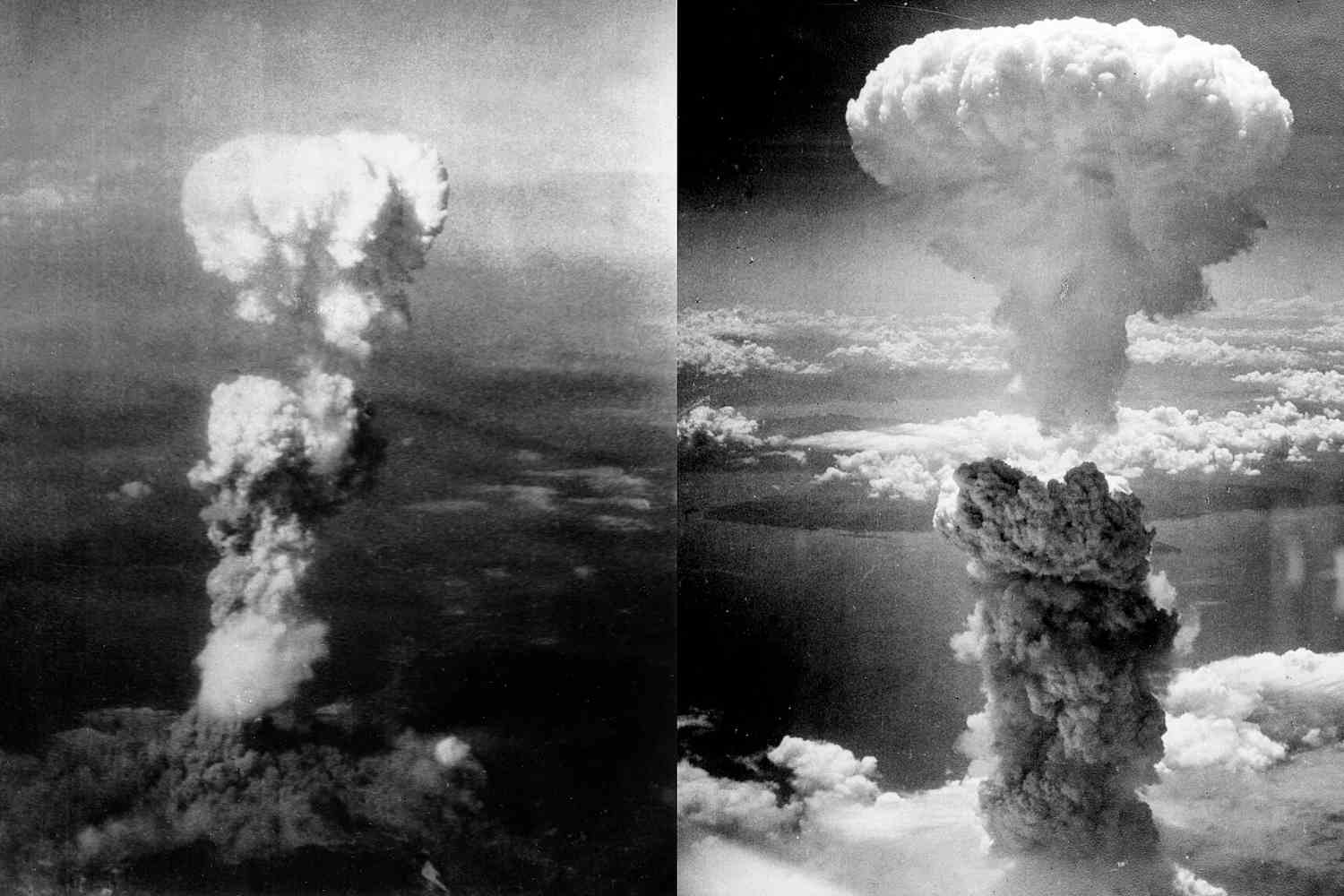
It was called “Little Boy”, the atomic device released by the bomber Enola Gay which exploded around 8:15 in the morning at about 600 meters high, devastating the city of Hiroshima (it destroyed 70%). The temperature of the epicenter of the explosion seems to have reached 7,000 ºC, causing burns within about three kilometers.
The consequences for the population were also dramatic due to the intense light caused by the explosion and above all for the real storm of fire that was generated, quickly consuming all the available oxygen. The people, consequently, died of suffocation but thousands were also victims of the collapse of the buildings or were swept away by the explosion itself.
The consequences of that atomic disaster and the many deaths were not counted only on the moment but also in the years to come. Hiroshima’s bomb immediately killed over 80 thousand people but already at the end of 1945 these had risen to about 140 thousand. Then there were the dramatic consequences of the radiation which, in the following years, led many people to get sick of thyroid carcinoma or leukemia.


Among these, the story of little Sadako Sasaki who, miraculously unharmed after the outbreak of the Hiroshima bomb, died at just 12 years of leukemia, has become famous and emblematic.
Sadakosadako Sasaki is a small girl on August 6, 1945, the day the Americans explode the atomic bomb …
Posted by eyes of a world Other on Wednesday, August 5, 2020
Three days later from the Hiroshima bomb, on August 9, 1945, Nagasaki was destroyed by “Fat Man”, another atomic device built with Plutonio-239 unlike the other made instead with Uranium-235. Here too there were tens of thousands of deaths (40 thousand people immediately became about 70 thousand in the following months).
These were the terrible means that the American government used to put Japan and end up on the Second World War.
A page of our history full of horror that we would never exist. Instead, it is good to remember and fight for a world in which such facts do not repeat themselves. The survivors of Hiroshima and Nagasaki (the hibakusha) are still asking for it today, who since then struggle for the abolition of atomic weapons.
Don’t you want to lose our news?
