
Beggar is the beggar who lives by begging. Often, today, it is a word used as an insult, meaning “miserable“, in the worst sense of the term, or “stingyAnd sometimes it indicates not those who live in poverty, but those who are mean, vulgar or devoid of dignity.
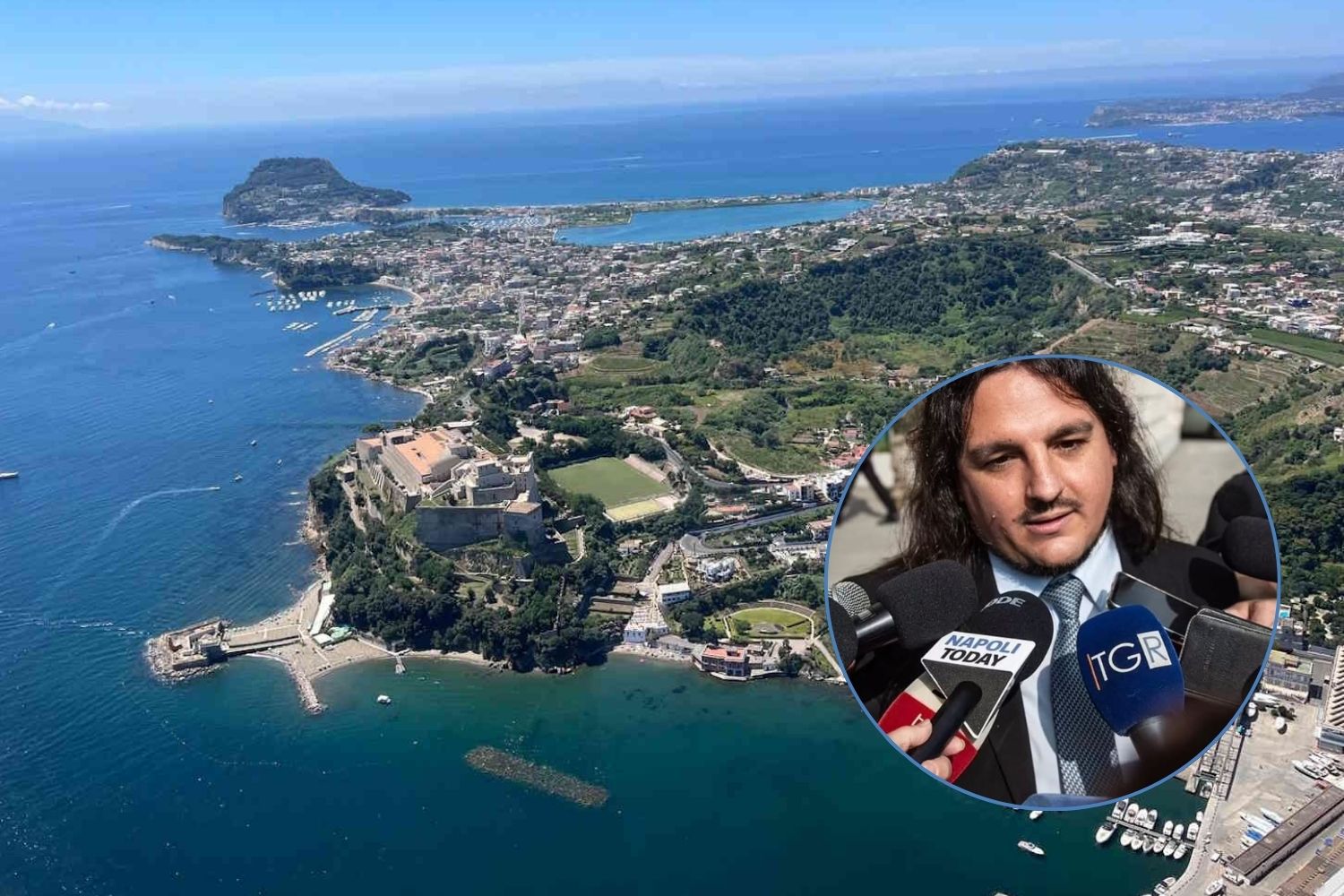
And “pezzenti“. It is the term with which the owner of a bathing establishment in Bacoli defined the people who choose – or can only afford – the free beach. A beautiful and good insult that has sparked the debate far beyond the borders of the Phlegraean town, bringing back to the center a question that regularly returns every summer: who really owns the beaches?
The mayor Josi Gerardo Della Ragione responded, choosing the path of a long letter published on social media. A harsh text in content, but which claims a precise principle: the sea is a common good and access to the coast cannot become a privilege reserved for those who can pay.
“Yes, I love beggars“
The most striking phrase came already in the first lines.
You’re right, I love beggars – with which Della Ragione reverses the insult and vindicates the administration’s choice to increase the spaces intended for public use of the coast.
The announced objective is to bring over 80% of the city coast between free beaches and free equipped beaches, maintaining the possibility of assigning kiosks and establishments through public tenders, with transparent criteria open to competition.
The beaches are not yours.
The letter is also an indictment against some practices that have characterized the management of part of the coast for years. Della Ragione denounces underpaid or illegal workers, prices considered excessive for sunbeds and umbrellas, illegal parking and limitations imposed on bathers, such as the ban on entering with a bottle of water, a sandwich or even baby food for children. Serious accusations, which the mayor uses to support the need to change the management model.
Bacoli is not yours. The beaches are not yours. The sea is not yours.
Words that recall the principle also enshrined in our legal system: beaches belong to the public domain and beach concessions confer a temporary management right, not ownership of the property.
The Bacoli affair is part of a discussion that is far from closed. For years, Italy has been called to reform the system of seaside concessions, also in light of the requests of the European Union, which calls for public and competitive procedures for the assignment of state-owned spaces.
Meanwhile, the issue of beach accessibility continues to divide. According to associations and committees that deal with the protection of the sea and common goods, in many places the portion of coast that can actually be used for free is increasingly reduced, making access to the sea difficult for many families.
In the final part of the letter, the mayor also addresses beach entrepreneurs who, in his opinion, operate in compliance with the rules, inviting them to participate in future public tenders.
But the appeal is also aimed at workers and young people, to whom it proposes to organize themselves into cooperatives and apply to manage the establishments and services on the equipped free beaches.
Beyond the political conflict, there remains a phrase destined to spark discussion:
The beggars will take back what is theirs.
For some it is a provocation. For others, the reference to a simple principle: the sea, first of all, is a good for everyone.
