
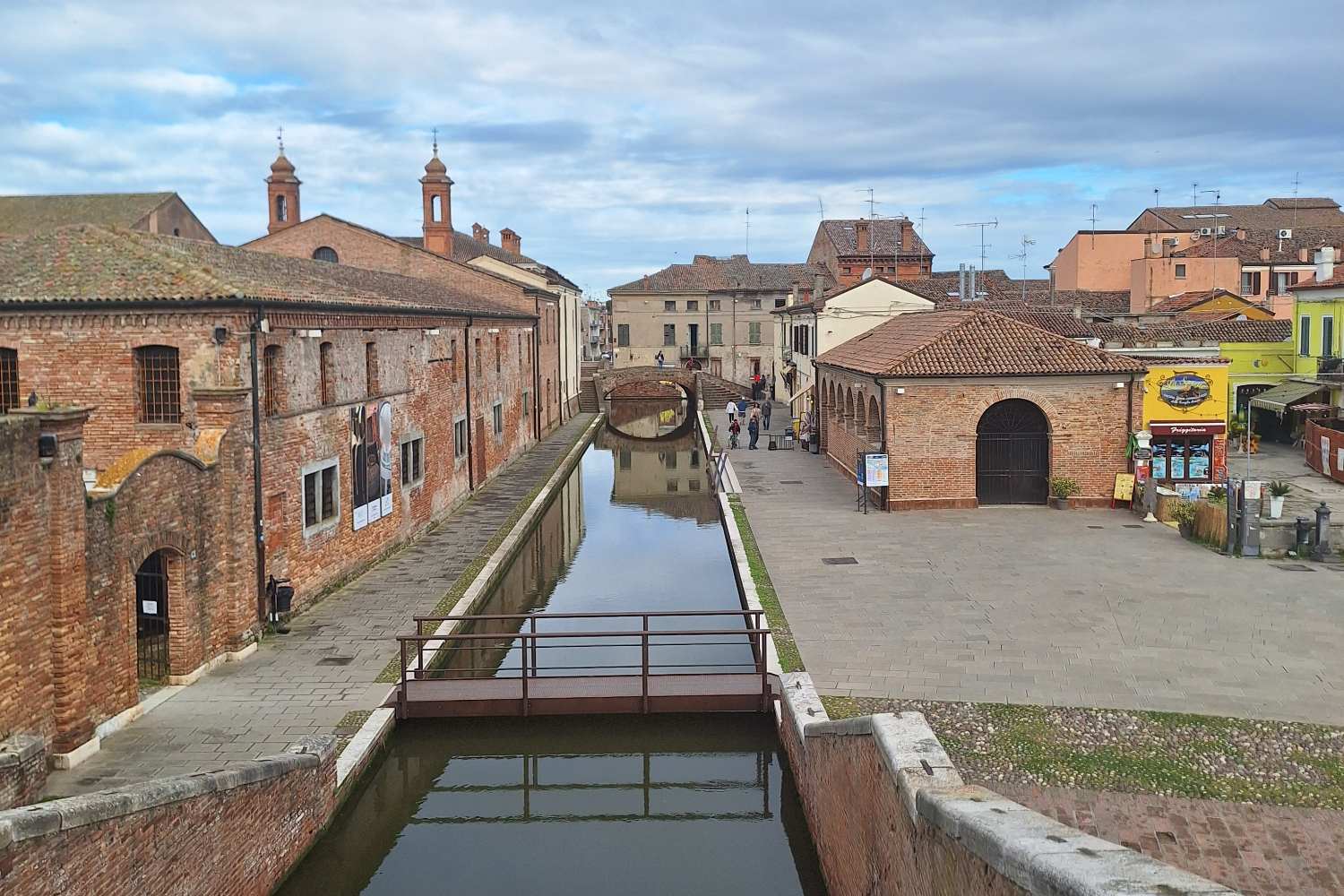
Comacchio immediately appeared different from any other village in Emilia-Romagna. It is not just a city on the Po Delta: it is a network of canals, bridges and brick houses that seem to float on the water. The sensation is that of entering a suspended place, where the light from the lagoon changes the face of the streets at every hour of the day. The historic center is compact and crossed by waterways that were once real communication routes towards the Adriatic. Here time does not run: it flows slowly, like the canals that divide and at the same time unite every corner of the village.
@RebeccaManzi/GreenMe
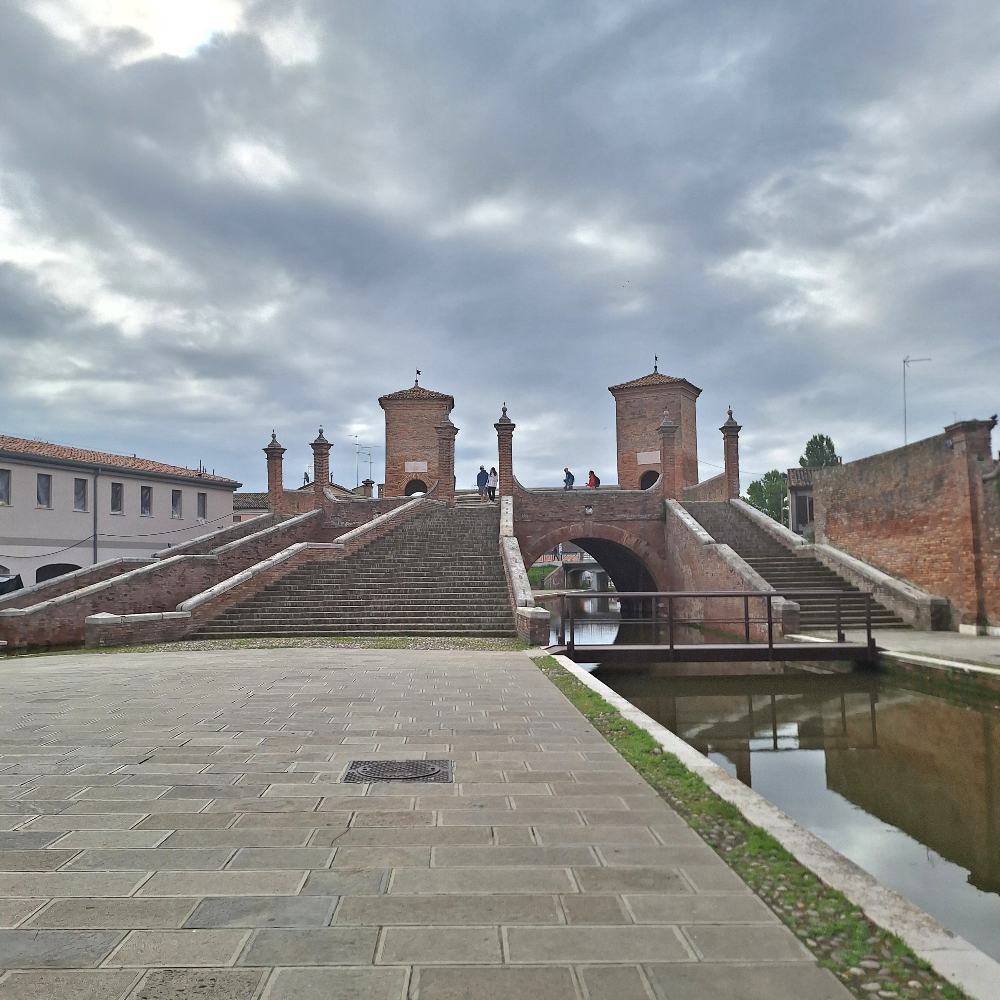
Trepponti: the symbol that defines Comacchio
The first impact can only be with the Trepponti, the most iconic architecture of the city. It is a complex seventeenth-century structure that connects five ramps and four canals, created as an entrance door from the lagoon. Walking on it means observing Comacchio from above its balance: water, bricks and perfect geometries. From here you can really understand why it is called “little Venice”, even if the identity is completely autonomous.
@RebeccaManzi/GreenMe
Historic center: between Corso Mazzini, churches and palaces
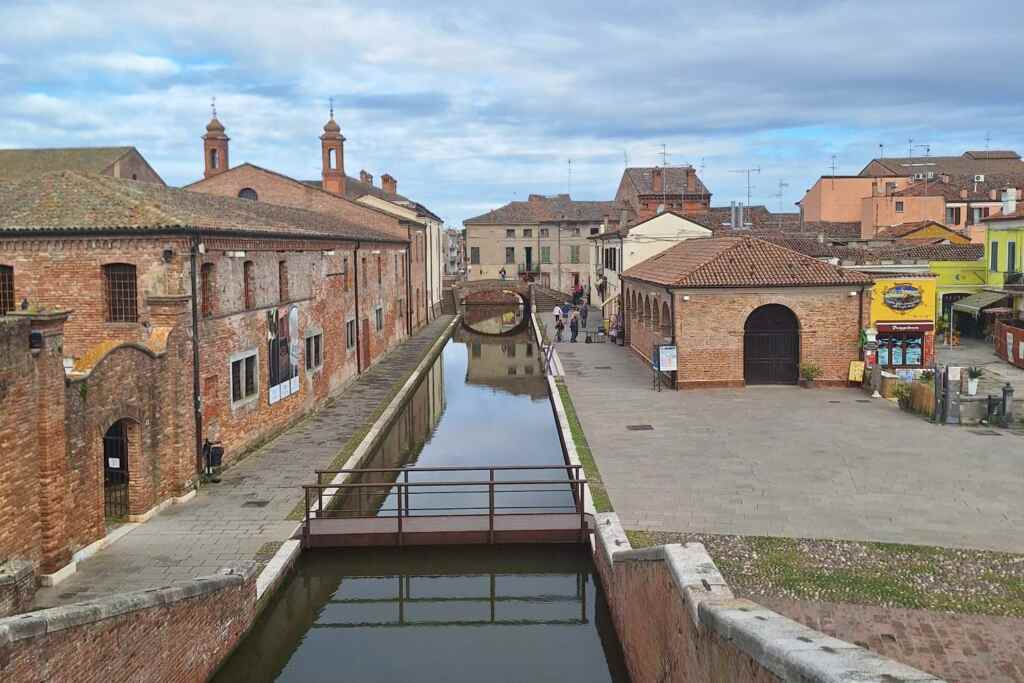
Walking along the historic center we crossed Corso Mazzini and Corso Garibaldi, where the colorful houses are reflected in the canals. The narrow and vertical facades tell of a city built on water and adapted to a difficult but fertile territory.
@RebeccaManzi/GreenMe
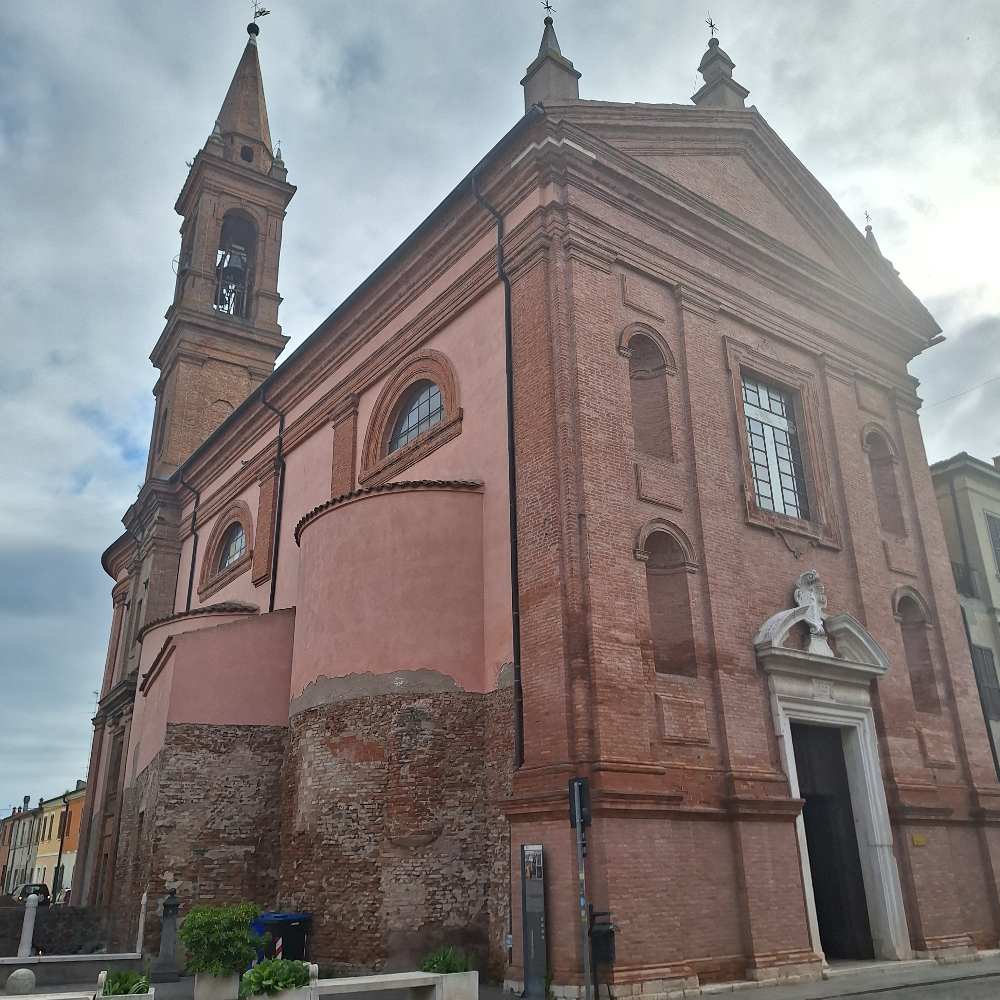
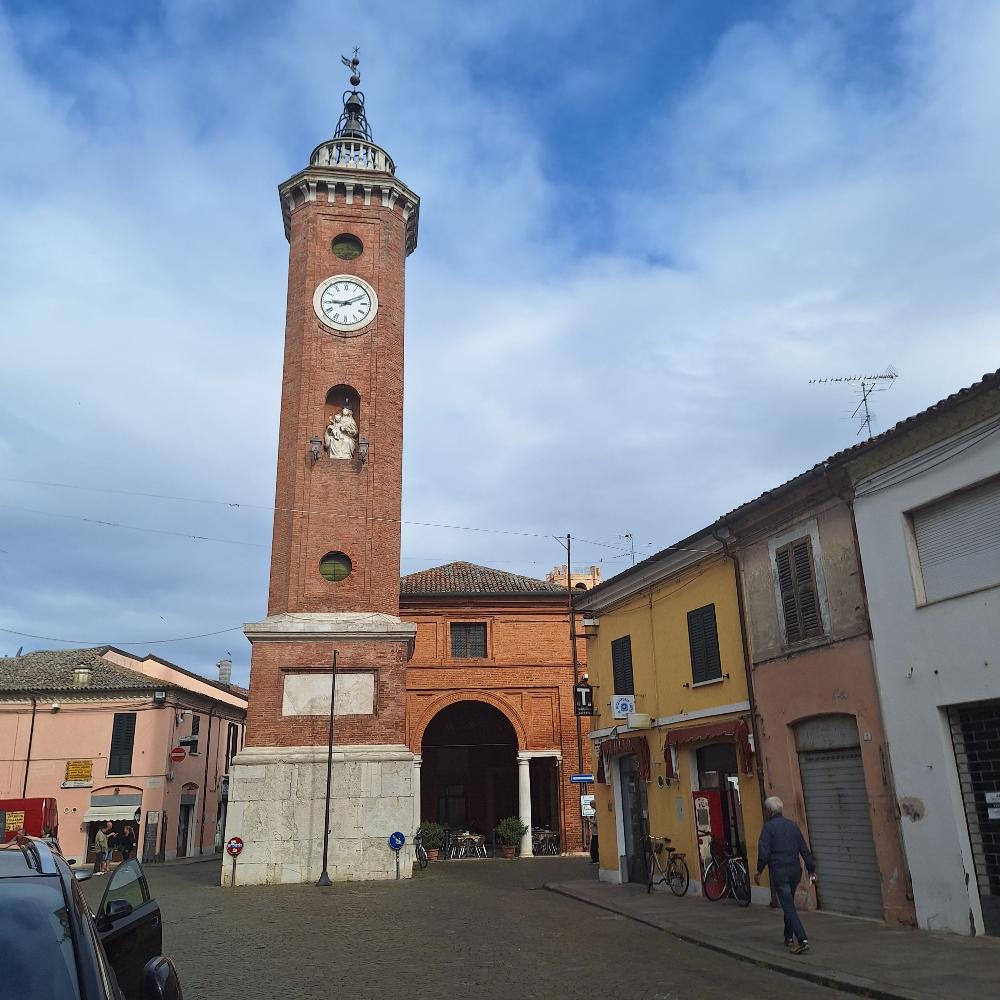
Among the most significant stops we visited the Cathedral of San Cassiano, sober on the outside but rich in internal works, and the nearby Clock Tower, which marks the symbolic heart of the city. Not far away is the Loggia dei Mercanti, an ancient structure linked to the economic life of the village, and the refined Palazzo Bellini, today a cultural center and home to the library.
@RebeccaManzi/GreenMe
@RebeccaManzi/GreenMe
Ancient Delta Museum and Marinated Factory
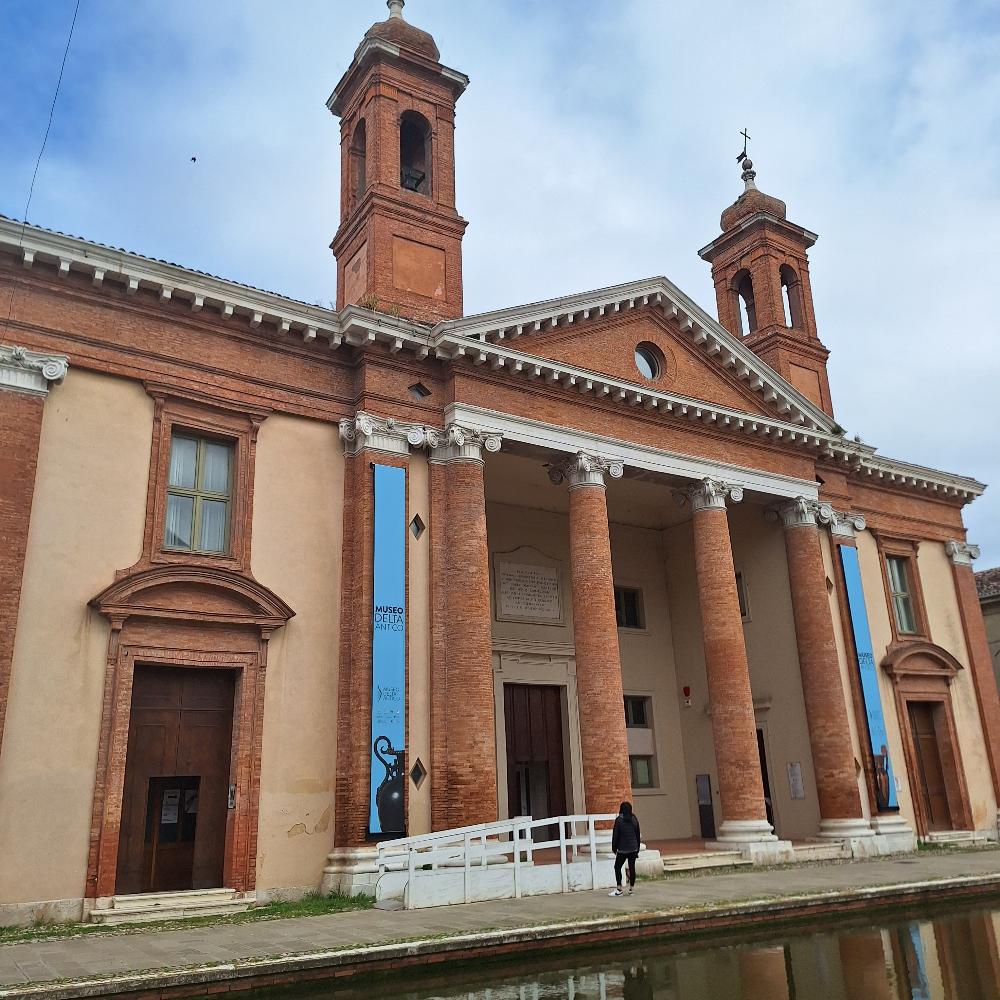
One of the most interesting places is the Ancient Delta Museum, housed in a former eighteenth-century hospital. Here the history of the area emerges through finds that tell the story of the evolution of the Po Delta, from its Roman origins to the Middle Ages. What is especially striking is the connection with water: boats, objects and testimonies of a civilization that has always lived in balance with the environment.
@RebeccaManzi/GreenMe
By bike in the Comacchio Valleys
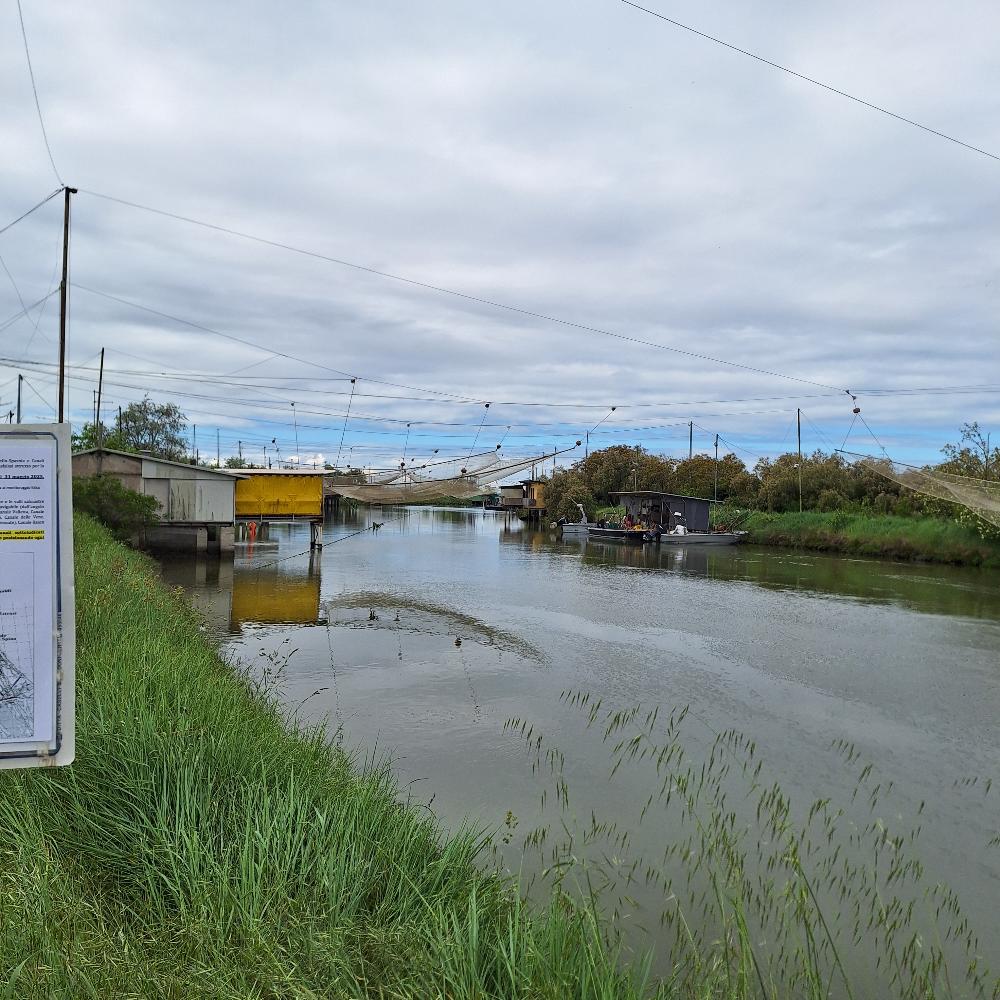
But Comacchio is not just the historic center. The best moment of our visit was in fact exploring the Comacchio Valleys by bicycle. We followed a stretch of the cycle path between banks and wetlands, immersed in a landscape completely different from that of the city.
@RebeccaManzi/GreenMe
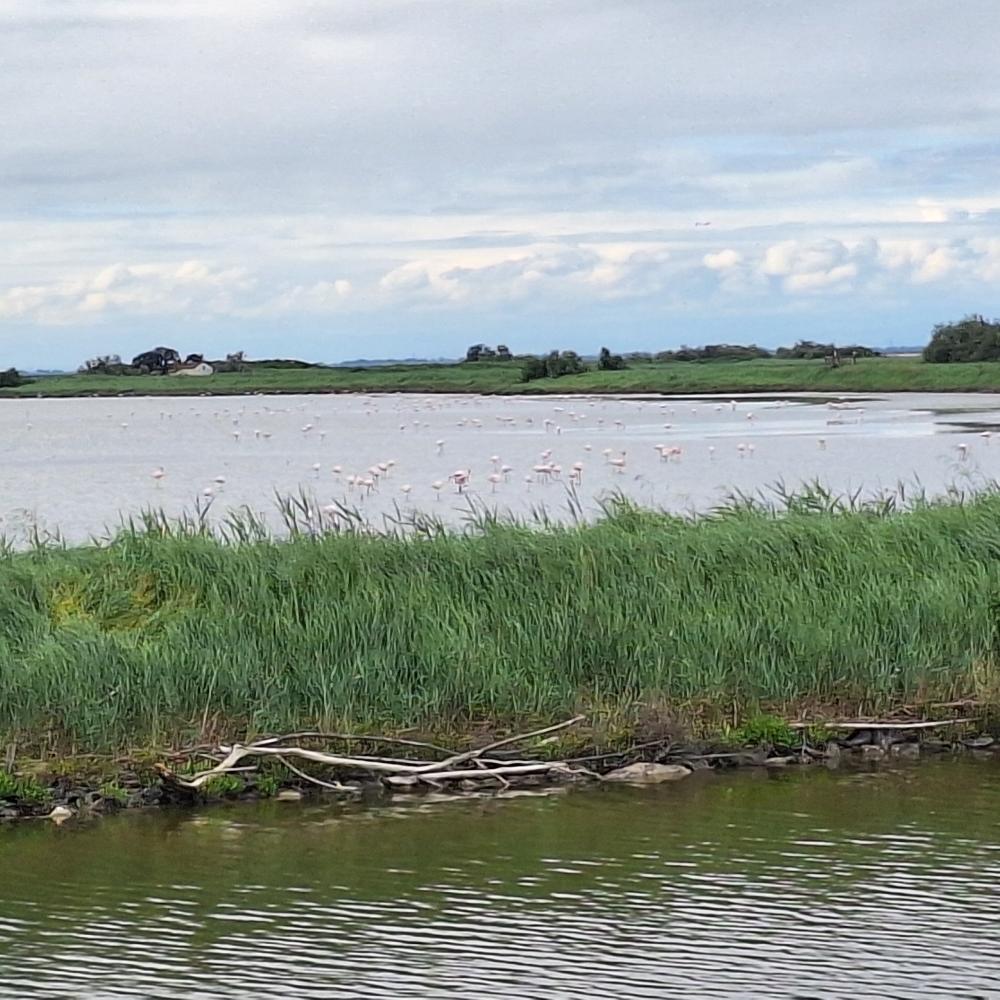
The ride takes place on flat embankment roads, surrounded by brackish water, reeds and silence interrupted only by birds. With the electric bicycle the route is accessible even to those who are not trained, but the feeling of freedom remains total. Along the way we encountered the first pink flamingos, perfectly integrated into this fragile and surprising ecosystem. The contrast between the pink of the plumage and the grey-blue of the water is one of the most memorable sights of the entire trip.
@RebeccaManzi/GreenMe
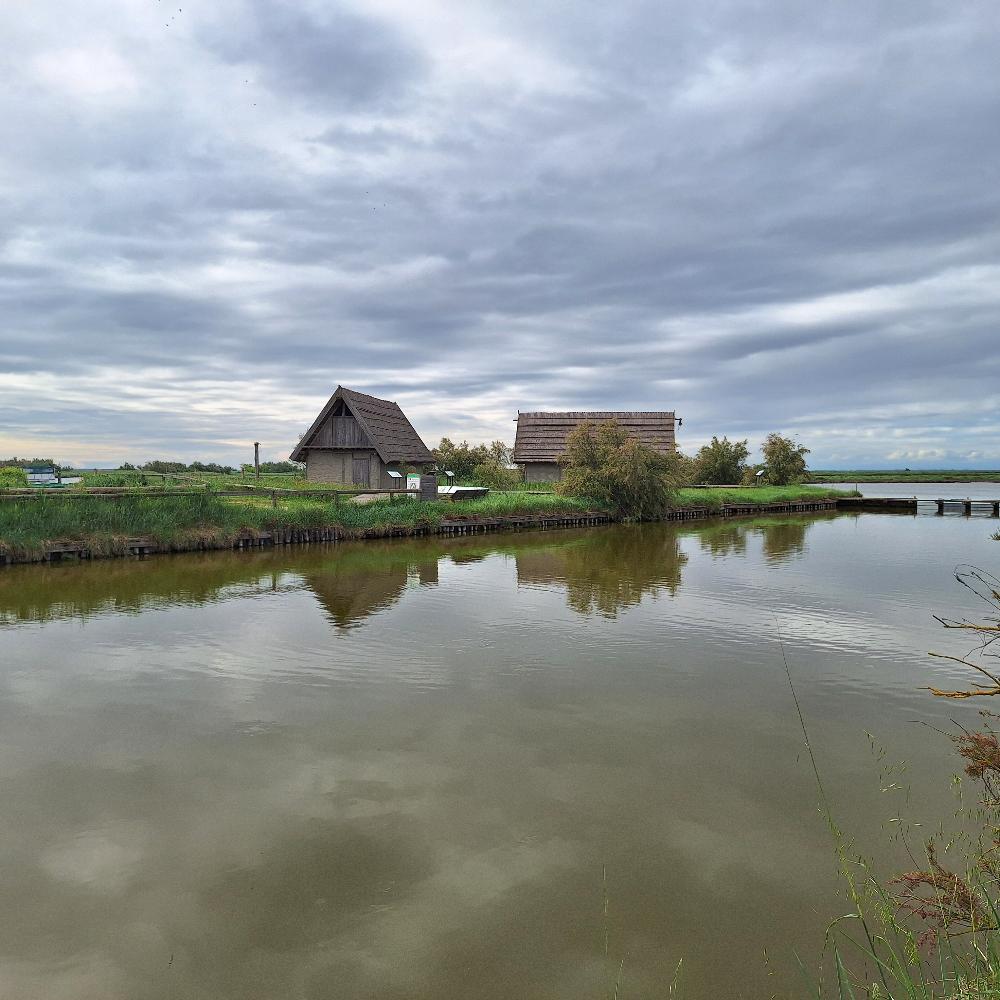
The route we have chosen is only part of the complete ring, but it is enough to understand the vastness of the Po Delta Park and its almost wild nature. The Valleys are not just an excursion: they are a continuously changing landscape. Here, pools of water, grassy banks and old fishing structures such as casoni alternate, evidence of an economy linked to the lagoon. It is one of the best places in Italy for birdwatching, especially at sunset, when the light dims and everything takes on an almost unreal hue.
@RebeccaManzi/GreenMe
You might also be interested in:
