
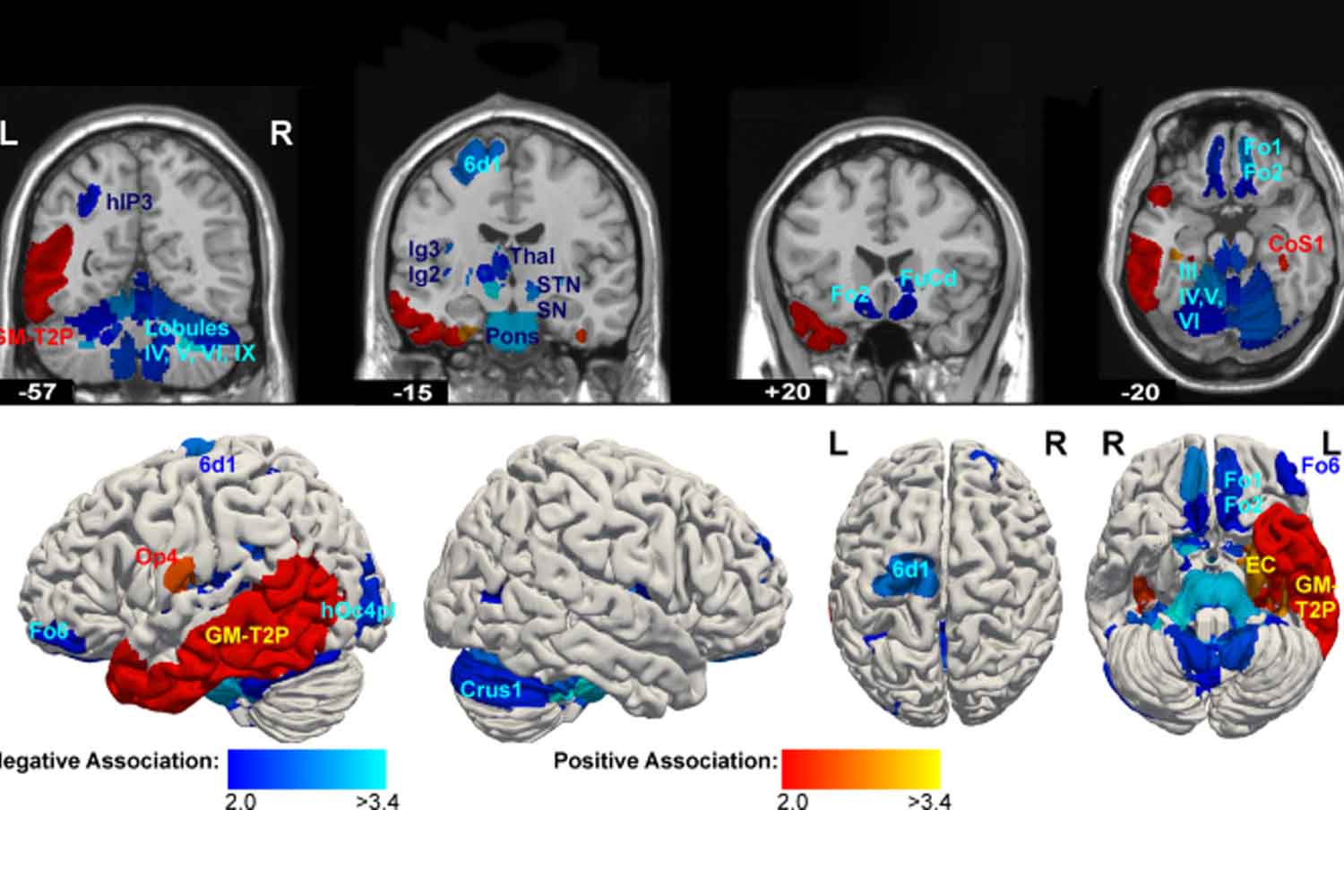
A discovery that makes you think: people with psychopathic traits have evident differences in the structure of the brain. This is revealed by a new research published in the magazine European Archives of Psychiatry and Clinical Neurosciencewho analyzed the brain images of adults with psychopathy. Scholars have identified a significant reduction in the brain volume in different areas related to empathy, control of impulses and emotions. A clear signal: antisocial behaviors could have very deep biological roots.
Damaged areas that affect emotions, empathy and self -control
The research was carried out by an international team made up of German and American neuroscientists, in collaboration with excellence institutes such as Forschungszentrum Jülich, RWTH AAChen University and the University of Pennsylvania. Scientists used the Julich-Brain Atlas, a very detailed digital map of the human brain, to compare the magnetic resonances of 39 adult men with diagnosis of psychopathy with those of healthy subjects.
The results? Disturbing. Psychopathic people showed a reduction in volume in fundamental areas, such as:
The brain changes were more marked in subjects with marked anti -social behaviors: tendency to violence, inability to respect the rules, impulsiveness. In essence, their brain seems literally “different”.
The connections between emotional psychopathy and brain structure are less clear
The picture becomes more complex when it comes to the psychopathic traits related to the emotional sphere: emotional coldness, pathological lies, the absence of remorse. In these cases, the connections with the brain structure were less constant. Some anomalies have been observed in areas such as the left hippocampus, the frontal dorsolateral cortex and the orbitofrontal cortex, but not in all subjects.
However, there is a fact that affects: the total brain volume of psychopathic subjects is lower than the average, with a particularly evident reduction in the right subique, an area of the hippocampus linked to the memory and management of emotions. This strengthens the idea that psychopathy is not only a matter of personality, but also of brain structure.
What does all this mean for the future?
The researchers are clear: this discovery could profoundly change the way we face psychopathy. The study is part of the SFB TRR 379 international project, which explores the mechanisms of aggression in mental disorders. His goal? Understanding how the brain of people with psychopathy works to develop targeted prevention and treatment strategies.
If we manage to recognize these alterations before anti -social behaviors manifest themselves seriously, we could intervene in time. Therapies, psychological support, educational programs: everything could be rethought based on these new data.
One thing is certain: psychopathy is not just a “character problem”, as is often believed. It is a complex condition, with deep roots that sink into the structure of our brain itself. And only studies like this can help us understand it to the end.
Don’t you want to lose our news?
You may also be interested in:
