
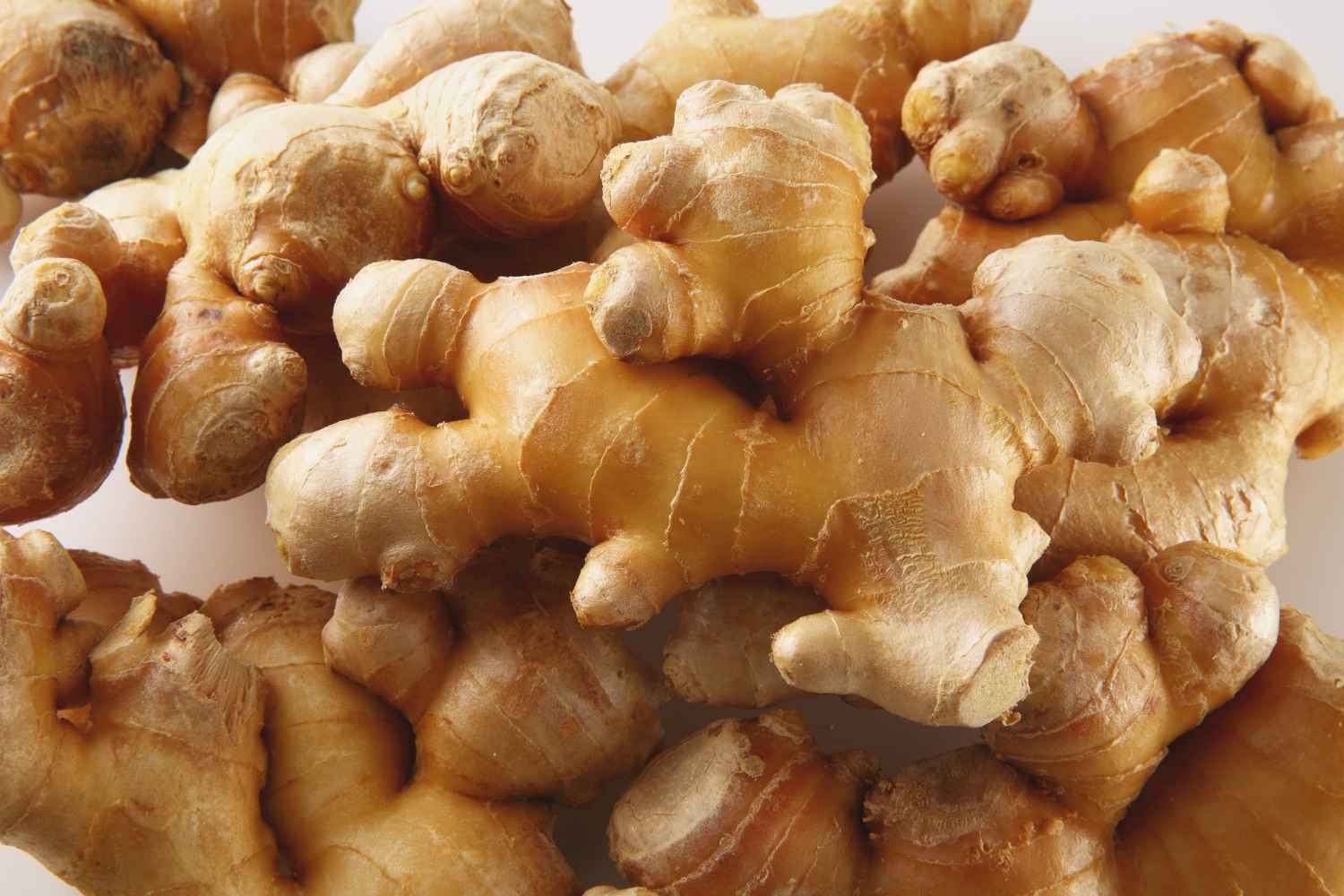
In recent years, ginger has conquered Italian cuisines. A root with a pungent and aromatic flavour, traditionally imported from China and India, has become an indispensable ingredient for herbal teas, soups and savory recipes. The great thing is that today ginger is also grown in Italy, with innovative and sustainable techniques, which place the Bel Paese as a serious alternative to imported products.
An ambitious agronomic challenge
Herbaceous plant belonging to the family Zingiberaceaeginger (Zingiber officinale) requires precise environmental conditions and high temperatures, characteristics that have pushed some Italian producers to experiment with creative solutions to give life to local ginger. The Italian Zenzero Consortium was born from the idea of Massimo Longo and from the union of four leading companies in the national fruit growing sector: Valfrutta Fresco, Del Monte, Agrentità and Agritechno.
Cultivation started with several hectares between Abruzzo, Sicily and Sardinia, regions where the mild climate allows the necessary tropical conditions to be recreated, at least in part. The plant must be grown in a protected environment, as it requires high humidity, high temperatures and shelter from direct light.
The Italian ginger supply chain represents a virtuous example of sustainability. Renewable energy is used to heat the greenhouses and compost taken from the digesters of biogas plants is used as a soilless substrate. This soil, rich in nutritional elements, adapts perfectly to the needs of the plant, which requires a considerable supply of organic substances.
Furthermore, the Consortium’s production regulations provide cultivation techniques that do not use any plant protection products. The result is a certified zero residue product, completely traceable from field to fork. The choice of varieties was one of the most important phases: after several tests in the nursery with phytosanitary quarantine, a South American variety was selected which showed the best adaptation to Italian climatic conditions.
How to grow ginger at home

For those who want to produce ginger in small quantities, home cultivation is surprisingly accessible. In Italy sowing takes place in spring, when environmental temperatures are at least 15°C, in the same periods in which beans and green beans are sown.
The starting point is the rhizomes, easily available in organic shops. For planting ginger, the rhizomes of a plant that is at least three years old and has eyes, or signs of well-developed buds, are used. If the buds are not visible, just immerse the rhizomes in water for twelve hours before sowing to stimulate their release.
For cultivation you need a large, deep pot, at least 30 cm wide, with the bottom covered with expanded clay balls which serve to maintain constant humidity. The soil must be slightly acidic and enriched with natural fertilizer at least once a month. The ideal temperatures range from 22° to 25°, below 15° the plant suffers. In colder periods it is necessary to protect the plant with non-woven fabric or move it indoors.
Watering should be daily, preferably with a mister to maintain high humidity. The rhizomes should be harvested after five or six months, when the leaves are dry, using a sterilized knife and leaving some roots so that the plant remains alive.
The benefits of ginger
Ginger is particularly appreciated during the winter season for its warming properties. Ginger has a spicy flavor and this is precisely why its consumption is ideal in the winter period, because it tends to warm the body giving a feeling of well-being. This function, called diaphoretic, occurs through perspiration.
It is indicated in the case of feverish states, sore throats and colds, it gives relief and supports the immune system, especially in the form of herbal tea. The root is able to clear the bronchi by dissolving the mucus that deposits in the respiratory tract obstructed by seasonal colds.
The digestive properties of ginger have been known for centuries. It is an excellent anti-nausea, from motion sickness to seasickness, up to pregnancy and post-operative nausea. It also has a good anti-inflammatory effect thanks to the ability to inhibit cyclooxygenase and lipoxygenase, and is useful for migraines and asthma symptoms.
Ginger in the kitchen
In winter preparations, ginger offers endless possibilities. In the East, ginger is a key ingredient in many savory recipes, where it is used to give a spicy and fresh note to dishes of all kinds. It goes perfectly with soups, veloutés and stews, adding a spicy and aromatic touch.
For hot drinks, ginger is the protagonist of traditional preparations such as mulled wine and spiced tea. A hot chocolate enriched with fresh grated ginger becomes an enveloping and comforting drink. Alternatively, a simple decoction is prepared by cutting the fresh root into small pieces and boiling it for ten minutes, then filtering and enjoying with honey and lemon.
In savory dishes, the grated rhizome enhances the flavors of white meats, fish and roasted vegetables. It pairs well with pumpkin, sweet potatoes and cauliflower, typical cold season vegetables. For desserts, ginger is the soul of Christmas biscuits and can be candied or used in powdered form for spiced cakes and plum cakes.
