
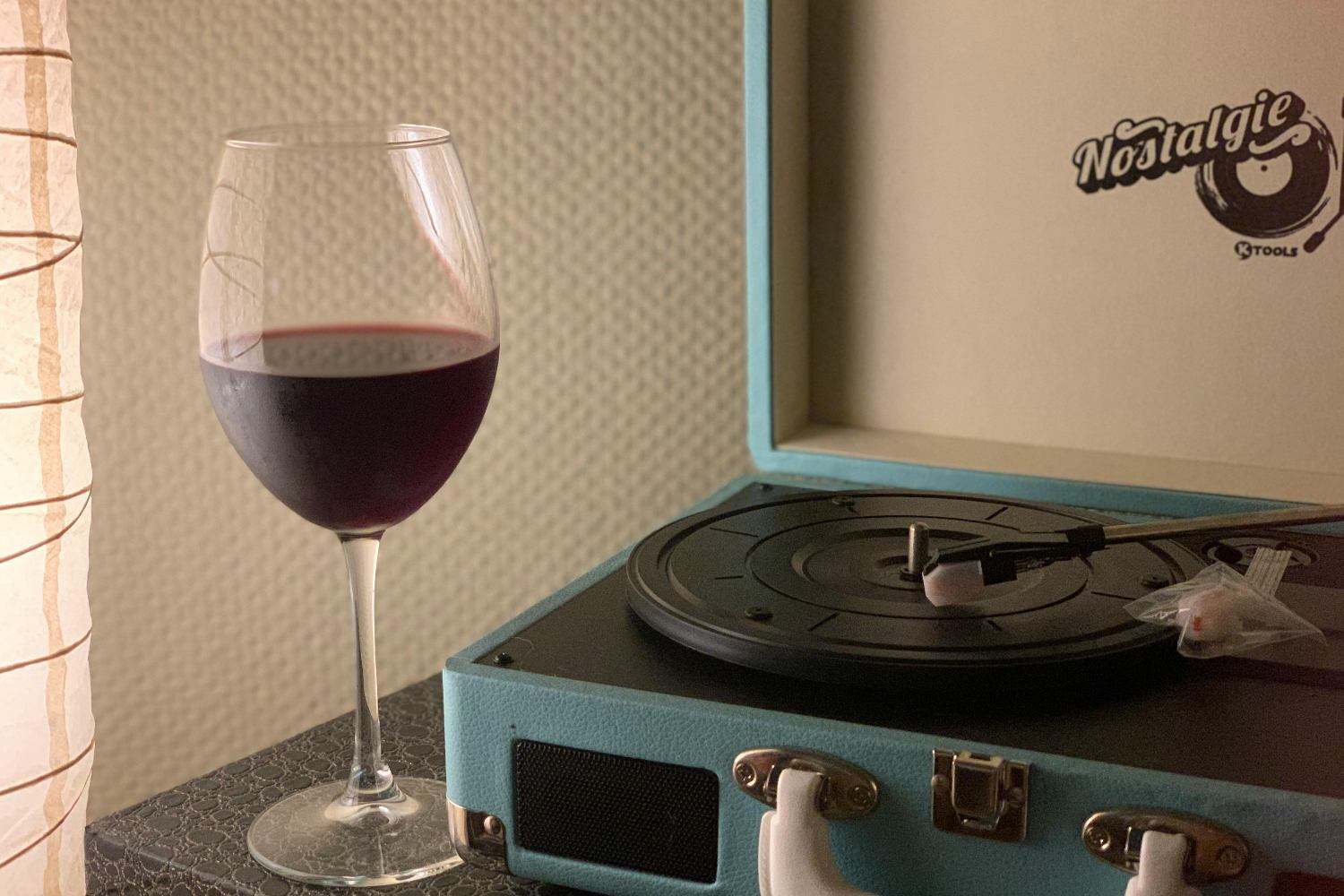
A glass of red wine, soft lights, a jazz trio playing live. It’s not just an elegant wine shop image: according to new scientific research it could be a real formula capable of changing the perception of taste. This is supported by a study conducted by the University of Pisa together with the Cnr, published in the scientific journal Foodswhich analyzed the relationship between music, emotions and wine tasting. And the result is surprising: listening to music during a tasting makes the wine more pleasant, intense and engaging, even when the melodies are melancholic.
The test with the jazz trio and Italian wines
The research involved approximately 250 participants during five public events called 5 Wednesdays of Emotions. The volunteers tasted different Italian wines in three different conditions: in silence, with melancholy jazz music and with energetic songs performed live. Each participant then filled out detailed questionnaires to describe their level of enjoyment of the wine and the emotions they felt during the experience. According to the researchers, almost 70% of people perceived the wine to be better in the presence of music. The most rhythmic and positive compositions produced the greatest effect, but even the nostalgic songs increased the pleasure of tasting compared to total silence.
The brain “rewrites” the flavor
The central point of the study is that music doesn’t actually change the wine, but it changes the way the brain interprets what we’re drinking. Scholars talk about crossmodal perception, a mechanism in which the senses collaborate with each other to create a single emotional experience. In practice, sound acts as a powerful “emotional amplifier”: an engaging melody can make a wine softer, more pleasant or memorable. Unexpected emotions, defined in the study as “positive surprise”, increase the level of satisfaction perceived during tasting. Professor Roberto Marangoni, one of the authors of the research, explained that the objective was to overcome the classic technical analyzes linked to tannins, acidity or structure, focusing instead on the emotional sensations generated by the encounter between wine and music.
From marketing to wine tourism: what can change now
The possible practical applications are enormous. According to researchers, carefully choosing a soundtrack could improve the experience in restaurants, wineries and wine tourism events, even influencing the perception of lesser-known wines. Nor is it a phenomenon limited to live music. A previous study by Heriot-Watt University in Edinburgh had already shown that even recorded playlists can change taste perception by up to 60%. Today science adds another piece: perhaps wine doesn’t really change composition, but it changes the way we experience it. And as it turns out, good jazz can turn a simple sip into a much more intense experience.
You might also be interested in:
