
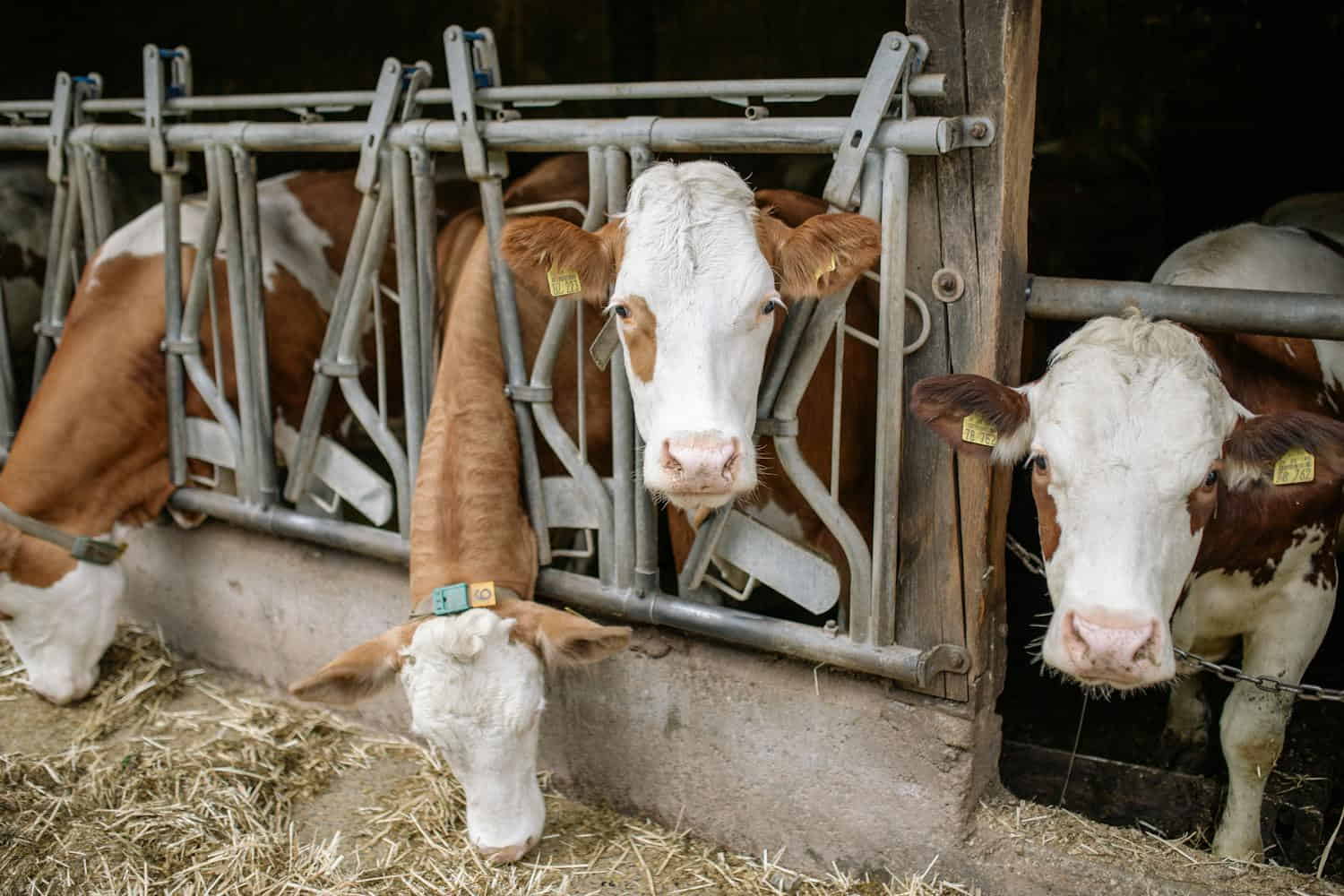
The livestock sector has grown rapidly in recent decades, driven by increasing global demand for meat, milk and other animal-based foods. For hundreds of millions of small producers around the world, livestock farming represents an important source of income and food security. At the same time, however, it is also one of the most discussed sectors due to its impact on the environment and public health.
To address these challenges, FAO has approved the Global Action Plan for the Sustainable Transformation of Livestock (Global Plan of Action for Sustainable Livestock Transformation), the first international reference framework dedicated to the sustainable transformation of the livestock sector. The document was approved during the 30th session of the FAO Committee for Agriculture (COAG), which took place in Rome from 20 to 24 July 2026.
The goal is to guide countries towards more sustainable farming systems, capable of guaranteeing food and income for farmers while reducing pressure on the environment, climate and health.
Why we need a global plan on livestock farming
In recent years the livestock sector has become increasingly central in global food systems, but also at the center of numerous concerns.
In fact, livestock farming is linked to a series of significant problems: from greenhouse gas emissions to pressure on natural resources, from the loss of biodiversity to the pollution of soil and water. Added to these is another key issue, that of antimicrobial resistance, also favored by the excessive or improper use of antibiotics in animals, which can contribute to the spread of resistant bacteria and represents one of the main threats to global health.
However, FAO underlines that the sector must not be considered only as a source of negative impacts: for millions of people, especially in the most vulnerable countries, livestock farming represents an essential element for livelihood, access to food and the local economy.
The challenge, therefore, is to transform the system by making it more efficient and sustainable, without compromising food safety.
Four major objectives to transform animal husbandry
FAO’s new Global Action Plan is based on four priority areas, which bring together economic, social and environmental aspects.
The first concerns food safety, nutrition and healthy diets. The goal is to ensure the availability of safe and nutritious animal foods, but also to make supply chains more efficient. Among the actions envisaged are the reduction of food losses and waste, better management of production and greater knowledge on the nutritional effects of consuming these foods at different stages of life.
The second area concerns support for farmers and rural communities. FAO proposes to improve access to markets, strengthen cooperatives and producer organizations, promote training and innovation and develop tools that help farmers face economic and climate crises, especially in the most vulnerable contexts.
The third concerns animal health through the One Health approach, which considers animal welfare, human health and ecosystem health to be linked. To reduce the use of antibiotics, the Plan indicates the need to focus on disease prevention, greater biosecurity on farms, health surveillance programs, vaccinations and better animal management practices.
Finally, the fourth objective concerns natural resources, climate and biodiversity. FAO indicates various strategies to reduce the environmental impact of livestock farming, through more efficient use of resources, practices capable of reducing emissions and interventions to increase resilience to climate change.
Particular attention is paid to feed management, considered one of the key elements of the environmental footprint of livestock farming. The Plan calls for improving efficiency in animal feeding and developing more sustainable feed production systems, capable of reducing pressure on land, water and other natural resources.
Another point concerns pastures and grazing land, with the aim of promoting their conservation, restoration and more sustainable management. If correctly managed, these ecosystems can contribute to the protection of biodiversity, healthy soils and the ability to adapt to climate change.
No obligation, but a common strategy to change the sector
The FAO Plan does not introduce new binding obligations for States, but represents a common frame of reference to accompany the sustainable transformation of livestock farming. Member countries are invited to use it as a basis for developing or adapting national strategies, taking into account their own needs, production conditions and priorities.
The document brings together 17 strategic priorities and 85 actions, ranging from food safety to animal health, from the sustainable management of natural resources to the fight against climate change, up to economic and social support for farmers.
FAO will have the task of supporting governments in implementing the Plan, providing technical support and monitoring the progress achieved over time.
With this document the organization recognizes that the future of animal husbandry cannot be based only on increasing production, but requires a balance between food needs, environmental protection and the health of animals and people.
The sustainable transformation of livestock farming will therefore be one of the great challenges of the coming years: reducing the impact of the sector, protecting ecosystems and at the same time guaranteeing the economic and social role that livestock farming still plays for millions of people around the world.
