
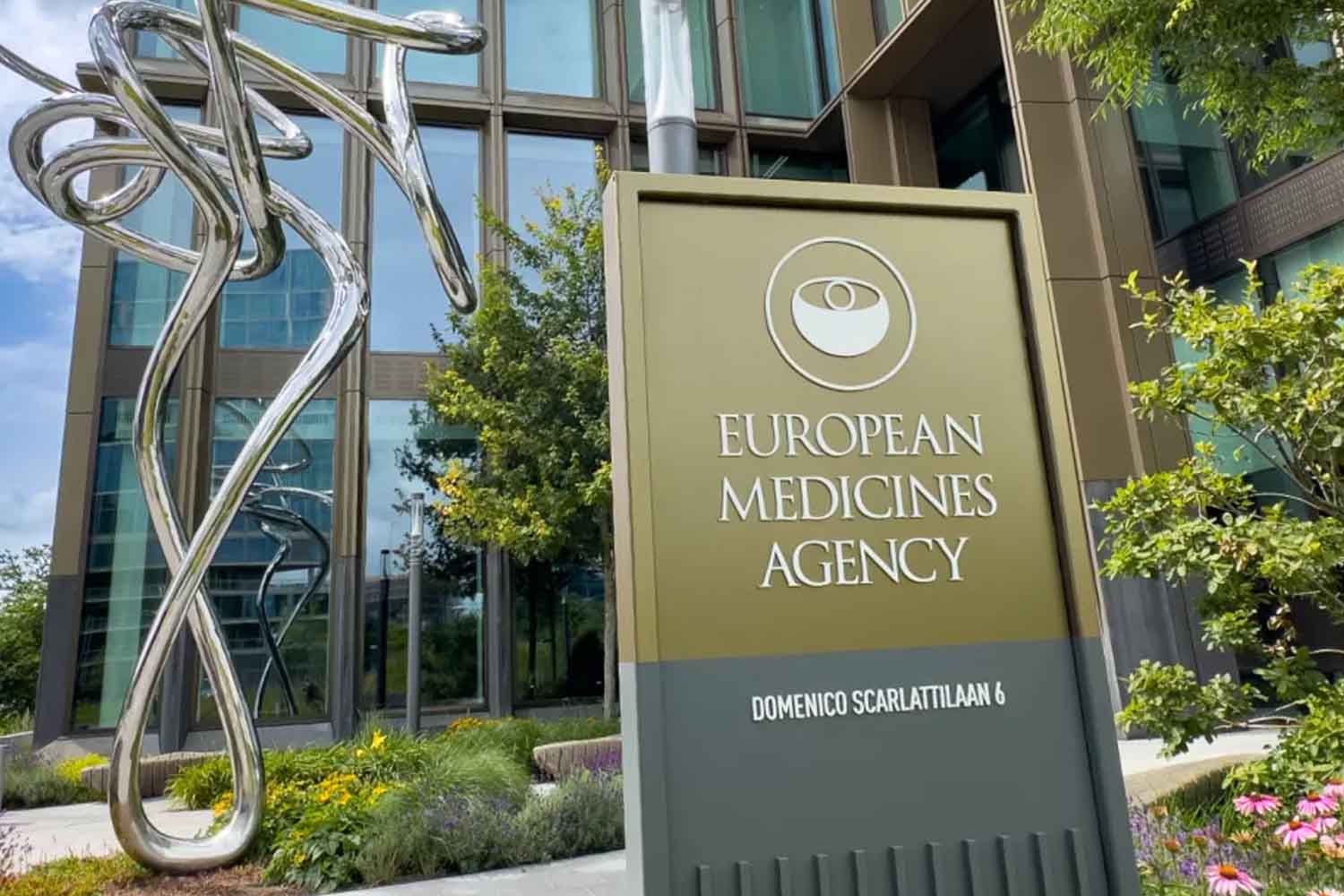
From 6.7 to 12.4 months. This is the jump in median survival observed with daraxonrasib in patients with previously treated metastatic pancreatic adenocarcinoma, compared to doctor’s choice of chemotherapy. The Committee for Medicinal Products for Human Use (CHMP) of the European Medicines Agency (EMA) has recommended the authorization of Rasonque, the trade name of the medicine.
It is an important step, with a clarification that easily risks being lost in the headlines: the drug is not yet authorized in the European Union. The positive opinion from the CHMP will be forwarded to the European Commission, which will have to take the decision on the marketing authorisation. Only then will price and refundability come into play in individual countries.
And even that “doubles survival” deserves a ruler. From 6.7 to 12.4 months means an increase of 5.7 months, about 85% of the median survival: very close to double, without being so. Most importantly, a median does not predict how long an individual patient will live. Indicates the time within which half of the deaths occurred in the group studied.
What the study of 500 patients showed
Daraxonrasib was studied in the international, randomized, open-label phase 3 RASolute 302 trial involving 500 adults with metastatic pancreatic adenocarcinoma that had progressed after prior systemic therapy. 248 received daraxonrasib, the other 252 received chemotherapy chosen by the investigator. Approximately 92% had a RAS G12 mutation. The trial was funded by the company developing the drug, Revolution Medicines.
In the analysis used by the EMA, median survival was 12.4 months with daraxonrasib and 6.7 months with chemotherapy. The time spent without disease progression also increased: 7.2 months versus 3.6.
Here appears a small detail useful for orienting yourself between apparently different numbers. The study published in the New England Journal of Medicine initially reported a median survival of 13.2 months versus 6.7, based on data available as of February 10, 2026. The EMA used data updated through June 15 for overall survival and indicates 12.4 months. This is the same study observed at different times: as the observation period lengthens, survival estimates may change.
In the work published in the NEJM, the risk of death during the observed period was also reduced by 60% compared to chemotherapy, with a hazard ratio of 0.40. This number should also be read for what it measures: a reduction in relative risk over the course of the study, not the promise that each patient will live 60% longer.
How daraxonrasib works
The target is RAS, a family of proteins that controls cell growth and survival. In pancreatic adenocarcinoma, alterations of this pathway are very frequent: oncogenic RAS mutations are present in over 90% of cases and can leave the growth signal practically stuck in the “on” position.
Daraxonrasib is an oral drug that binds to cyclophilin A. Together they form a complex capable of attaching to active RAS proteins and hindering their signaling, slowing the growth of tumor cells and promoting their death.
The European recommendation concerns adults with metastatic pancreatic adenocarcinoma who have received at least one previous systemic therapy and, in the indication proposed by the CHMP, a specific RAS mutation is not required.
In the United States, the regulatory transition has already taken place: the Food and Drug Administration approved daraxonrasib in August 2026. The American indication includes adults with previously treated metastatic pancreatic adenocarcinoma or who are not candidates for systemic therapy with multiple drugs. US licensing information can be found via the FDA’s official database.
Side effects remain important
The tablet does not make the therapy light by definition. Among the most common side effects are diarrhea, skin rashes, stomatitis, nausea and vomiting.
In the study, grade 3 or higher adverse events were recorded in 61.8% of patients treated with daraxonrasib and in 69.6% of those receiving chemotherapy. Discontinuations due to effects considered related to treatment were 1.2% versus 11.2%.
It is a result that weighs even more considering the disease it affects. According to the report The numbers of cancer in Italy 2024, in our country there were an estimated 13,585 new diagnoses of pancreatic cancer in a year. The five-year net survival, considering the diagnoses overall and therefore not just the metastatic disease, was 11% in men and 12% in women.
Daraxonrasib therefore arrives on one of the most difficult terrains in oncology and with a consistent phase 3 result, which has already passed through scientific publication and regulatory evaluation. For European patients, however, a very concrete piece is still missing: the decision of the European Commission and, immediately afterwards, the national path to make the drug effectively accessible.
