
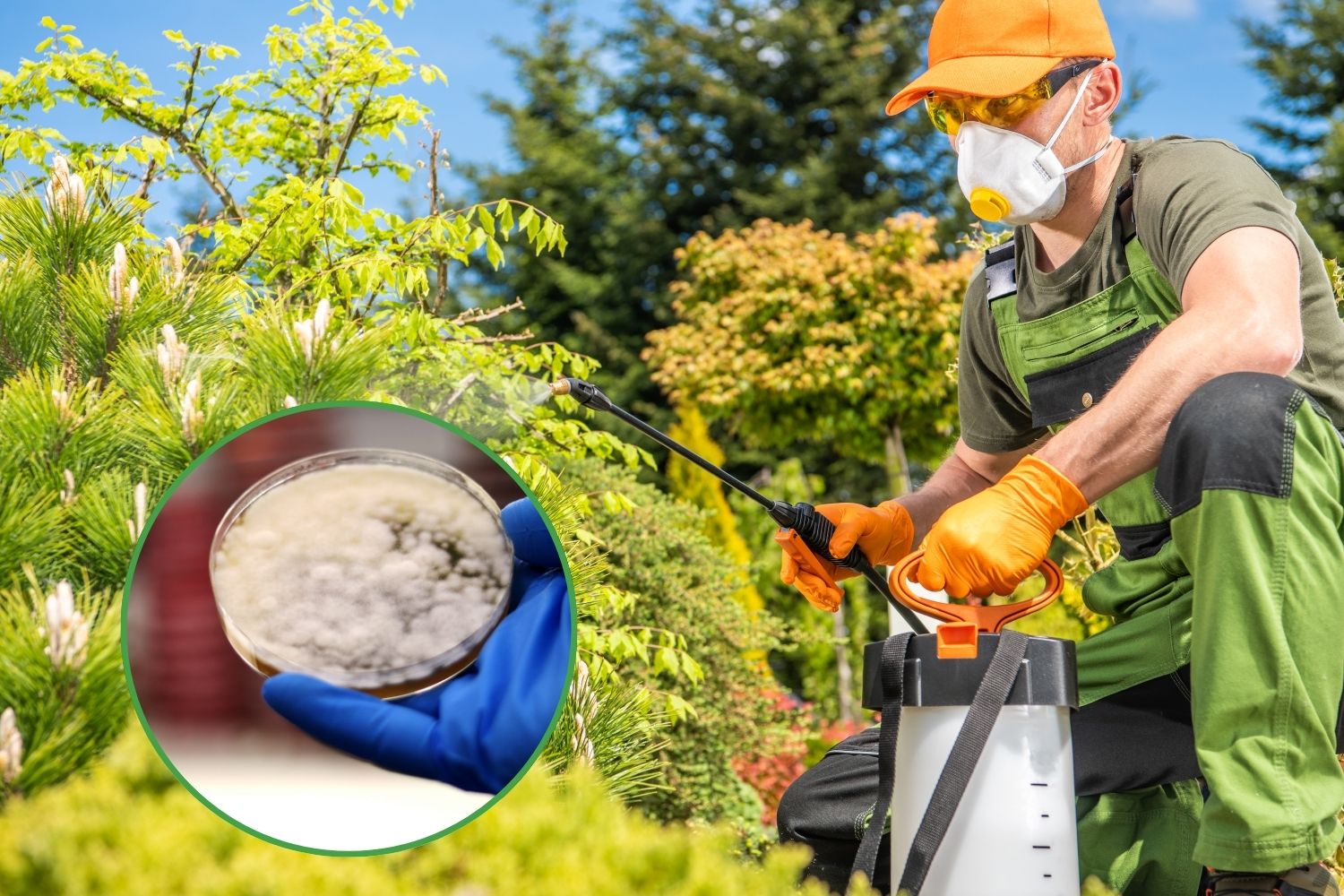
For the first time, the main European agencies analyzed the impact of the use of azoli outside of human medicine on public health
The widespread use of fungicides, especially the “azolic” ones (the so -called azoli) and especially in some agricultural and vegetable practices, can increase the risk that mushrooms Aspergillus develop resistence to essential antifungal treatments. What does it mean and how to avoid this real threat?
Not everyone knows, in fact, that there is not only the serious problem of antibiotic-resistance. To alarm it is also a whole series of strains now resistant to the action of fungicides.
This is an aspect that has been highlighted in a report developed for the first time by the five European agencies for health and the environment, with the support of the Municipality of Research Center (CCR) of the European Commission. To face this growing threat, agencies – Efsa, ECDC, Echa, Eea and Ema – they collaborated by adopting an approach One Healthwhich considers human, animal and environmental health as strictly interconnected.
What are Azoli and what are they for?
The azoli they are a class of chemical compounds used mainly for contrast fungal infections. They are fundamental in medicine for the treatment ofaspergillosisa serious infection caused by mushrooms Aspergillus. However, these mushrooms are becoming increasingly resistant to azoli therapies, reducing their effectiveness.
In addition to medical use, Azoli find application in:
The risk of azoli resistance
The wide use of Azoli outside of human medicine, especially in agriculture, promotes the development of Aspergillus resistant. Exposure to environments treated with azoli -based fungicides, such as cultivated fields or wooden materials, can increase the risk of infection from resistant strains.
Data collected in the EU/See countries between 2010 and 2021 show that most Azoli -based fungicides are linked to agricultural phytosanitary products. This underlines the need to find a balance between the effectiveness of these practices and the protection of public and environmental health.
The recommendations of European agencies
The report proposes a series of measures to prevent and control this phenomenon:
