
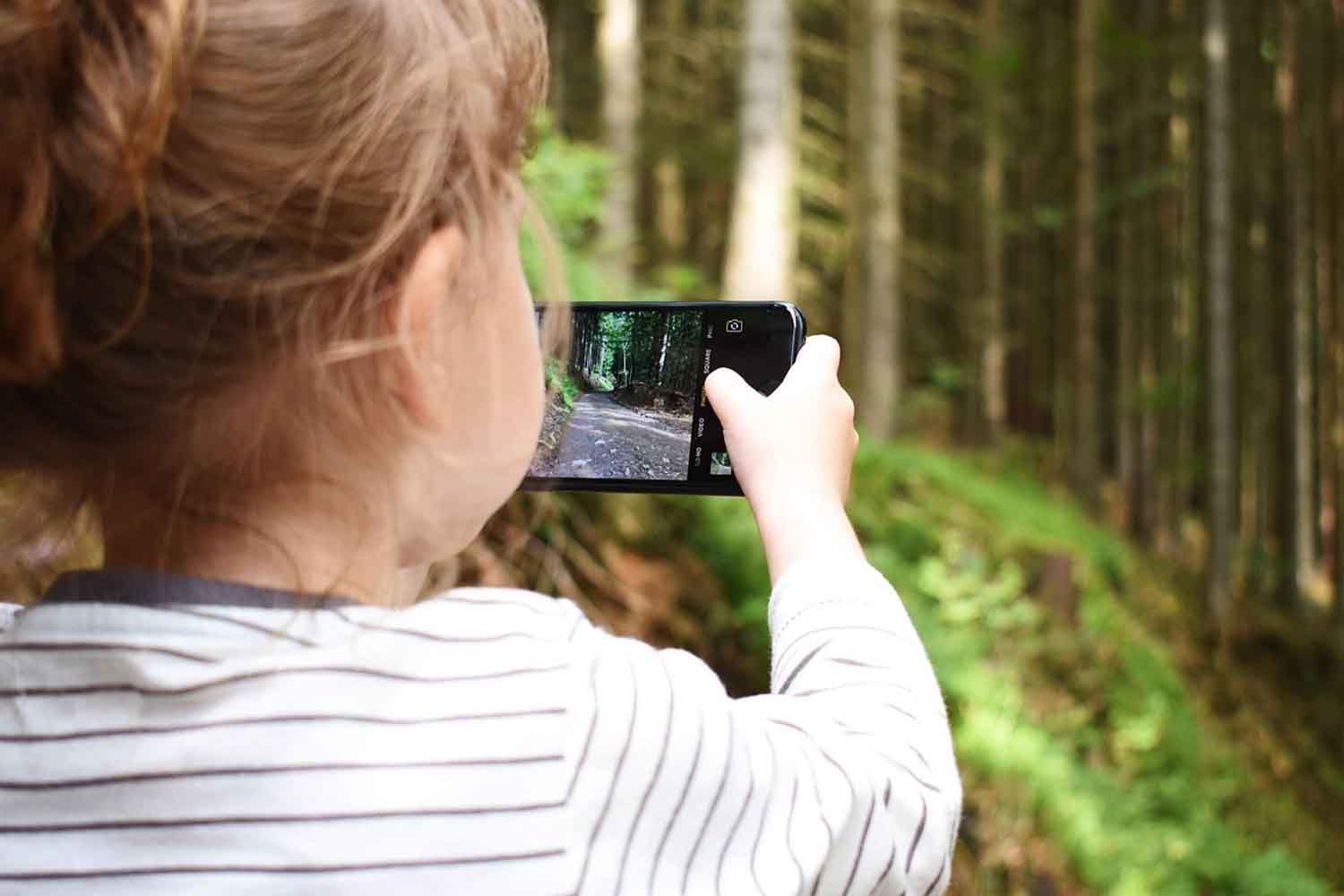
Once it was started with a bicycle, today the first “big gift” is lo smartphone. But what happens when we put in the hands of a 10, 9, even 5 years, a device designed for adults? According to one global research conducted in 40 countrieswhat looks like an innocent gesture can have devastating consequences on the mind of the little ones.
The study involved Over 100,000 young adultsbetween 18 and 24 years old. The results are disturbing: who received the first smartphone before 13 years reported much higher rates than Suicidal thoughts, aggression, anxiety, low self -esteem And mood disordersas the neuroscientist explained Tara Thiagarajanat the head of the research team of Sapien Labs:
Our brain continues to develop up to twenty years. Offer a smartphone too early, especially with access to social media, alters this development.
The smartphone arrives as soon as possible, the more serious the symptoms of adults
To measure mental well -being, researchers used the tool MHQ (Mind Health Quotient)which evaluates 47 cognitive, emotional and social aspects. The scale goes from -100 to +200. Above 100 we speak of full well -being, below zero there are serious and debilitating symptoms.
Those who received a smartphone at 13 gets on average A score of 30. But for children who had a cell phone at 5 years old, the score descends almost zero. In particular:
Effects that are repeated identically in all the cultures, languages and countries involved. A fact that.
The silent enemy? Early access to social media
In addition to the devices itself, it Studio points the finger at social networks. Instagram, Tiktok, Snapchat, while banning registration under 13 years of age, are easily circumvented with a false birth date. The result? A child finds himself in a digital world built to create addiction.
According to the data, approximately 40% of mental damage Tied to early smartphone is caused by social media. In Anglophon countries – such as the United States, the United Kingdom, Canada and Australia – this percentage It reaches 70%.
In these digital spaces, the user is exposed to a child to disturbing content, toxic comparisons, incessant notifications And immediate gratification mechanisms which alter the developing nervous system.
And then there is the cyberbullyingwho hit and destroyed the life of many young victims. As Mallory Grossman12 years old, who took his life after months of insults received via Snapchat. OR Molly Russell14 years old, who before dying had displayed over 2,000 content related to Depression and self -harm. His death has contributed to giving birth to the new law in the United Kingdom Online Safety Actdesigned to protect minors from digital dangers.
The problem is not only the screen, but everything that comes with it
The excessive use of the smartphone in the smallest also affects other fundamental aspects:
In short, the smartphone opens one dangerous doorwhich exposes children and teenagers a experiences that they still don’t know how to manage. Even those with careful parents can suffer indirect damage, if the rest of the class is already immersed in social networks.
Protecting a child today means going against current. But we cannot leave this choice only to families.
What can we really do?
The study group, but asks for serious, shared and child -friendly interventions. Their proposals:
But above all, a change of mentality. Because if we wait for “definitive tests”, as experts say, it could be too late For millions of children.
Our childhood is changing. But are we ready to accept this price for an early connection?
