
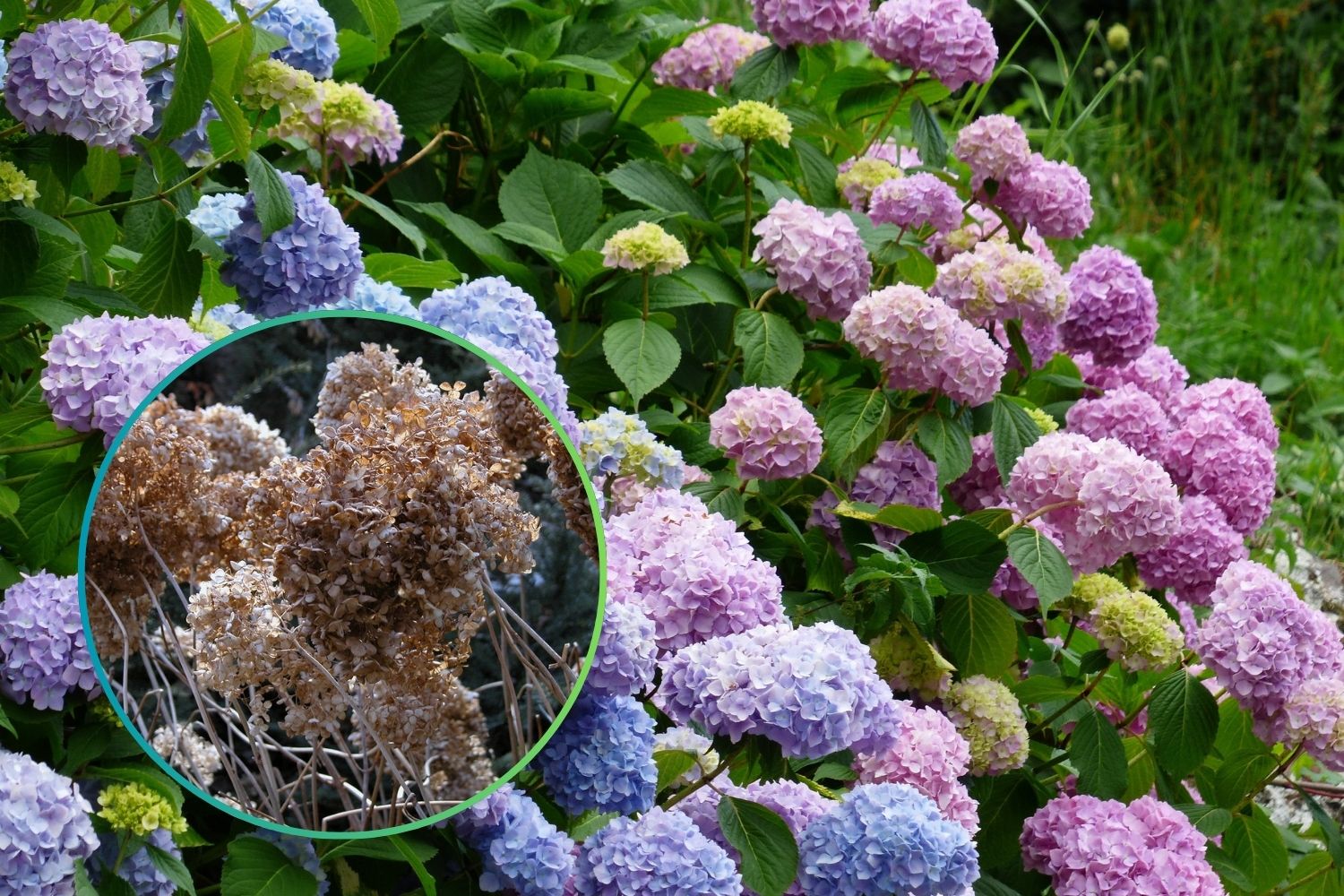
It happens to all green lovers. You wake up a summer morning, go out in the garden with coffee in hand and … horror! Your beloved hydrangeas seem to come out of an oven! Cleansing leaves, brown on the edges, flowers that afflicted as deflated balloons: the sun literally roasted them.
Before throwing the sponge and declaring war on the bright stave, let’s stop for a moment. There are solutions that the old gardeners know well and that every year they save hundreds of hydrangeas. There are no expensive products, not even drastic interventions. A few targeted gestures are enough and the patience to wait for nature to take its course.
The first step: understand the enemy
Ortensias are particular plants. They come from Eastern Asia, where they grow in the shade of larger trees, protected by vegetation. Putting them in full sun for them is like forcing a penguin to live in the Sahara. Ortensias prefer shaded or semi-umbrellated areas, and direct exposure to the sun can irreparably damage the leaves.
The damage can be seen immediately: the leaves become yellow, then brown, crown themselves on themselves, while the flowers lose brilliance and seem to be crazy tissue paper. But the plant, below, is still alive. You just have to help her recover.
The trick that saves the hydrangeas
Here is the secret that each expert gardener jealously guards: the combination of strategic movement, targeted pruning and protective mulching. Does it seem complicated? It is not at all.
The magic of mulch
Here comes the interesting part: the mulch, to be made with bark or straw, which helps to preserve humidity and keep the roots fresh. You don’t need to buy anything special: everything you need are dry leaves, cut grass, even the cartoons of the chopped eggs are fine.
The mulching creates three fundamental things: it maintains the soil fresh, retains the humidity longer and decomposing the plant nourishes. It is like giving the roots a natural air conditioner and a nutritional buffet at the same time. Spread a layer of at least 5 centimeters around the base of the plant, leaving a few free centimeters near the stem to avoid rotting. You will see what difference already after a week!
The art of intelligent canzing
The irrigation phases are often misunderstood. Instinct tells us to literally flood any suffering plant, but it is a mistake. It is better to irrigate the plant early in the morning, or in the evening, when the temperatures are fresher and the humidity can be absorbed better by the earth.
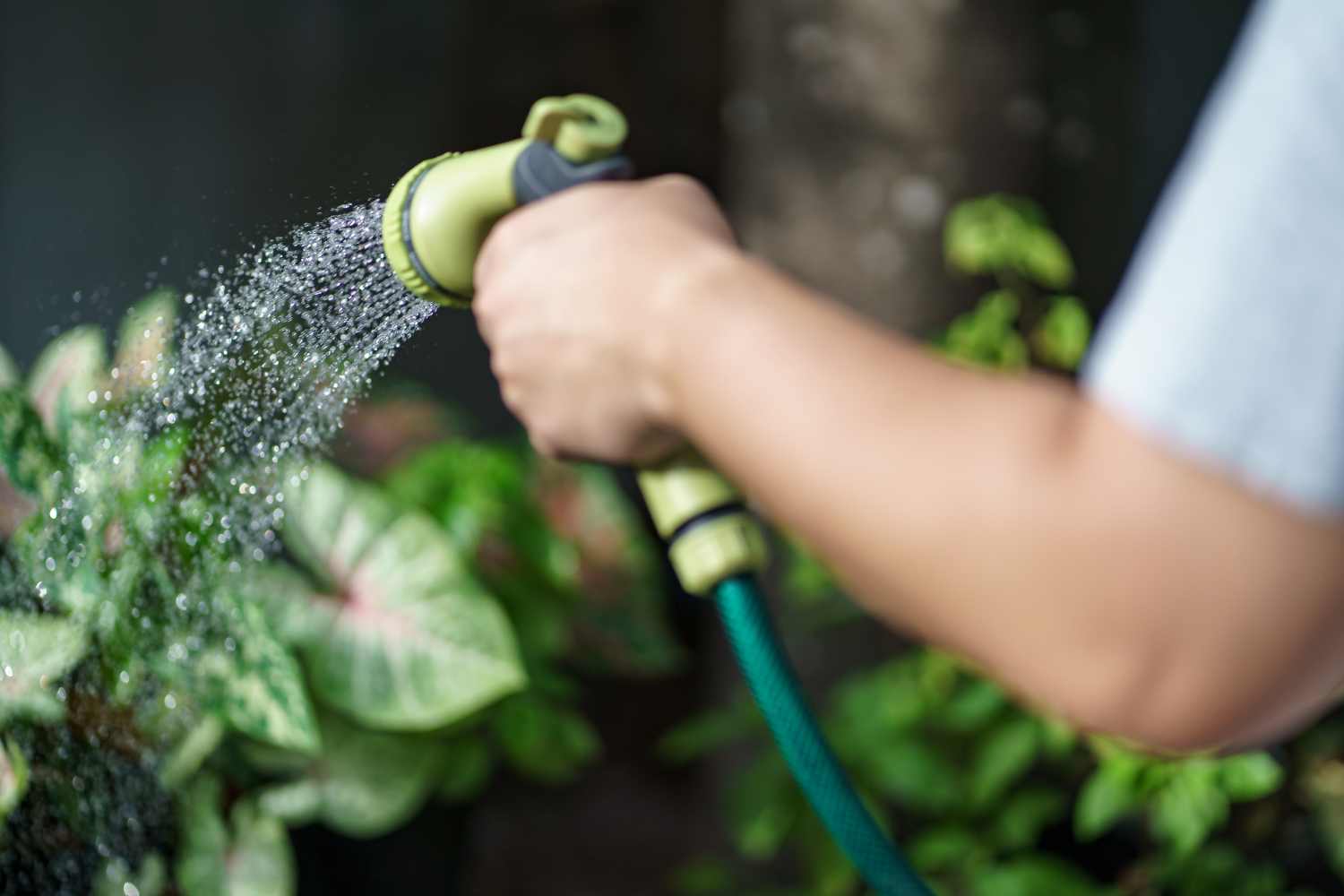
Water abundantly, but always with criterion: the ground will have to be humid, not fradic. A trick? He puts on a finger in the earth: if 3 centimeters of depth is still humid, wait, if he is dry, it is time to give a drink.
Never, and I never repeat, wet the leaves in the hot hours. The drops of water become small lenses that concentrate the sun’s rays, creating other burns. It’s like using a magnifying glass to set fire: it works too well.
The location makes the difference
If your hydrangeas are in the ground and move them it is not an option, you will have to be creative. The ideal place receives sun in the morning and shadow in the afternoon.
A strategically planted beach umbrella can save the situation. Or piano near something growing quickly and shadow: sunflowers, Jerusalem artichokes, even high tomatoes can act as a natural shield.
It is a temporary solution, which will allow the entrances to recover.
The time factor

Don’t expect immediate miracles. Ortensias are resistant plants but have their times. After applying what has been said, it will take at least two weeks to see the first signs of recovery: new light green leaves that sprout, sprouts that stretch shyly.
Within a month, if you have done everything well, the plant will have resumed vigor. Perhaps for this year he will not bloom with the same intensity, but next year he will amaze you with an even more generous flowering. Plants have memory and remember the treatments received.
Usual rule: preventing is better than cure
One last advice: look at your plants every day. Five minutes in the morning with coffee, just to see how they are. The first signs of stress are immediately seen: leaves that are slightly enriched, colors that fade. Intervening soon means saving the plant with little effort.
Don’t you want to lose our news?
