
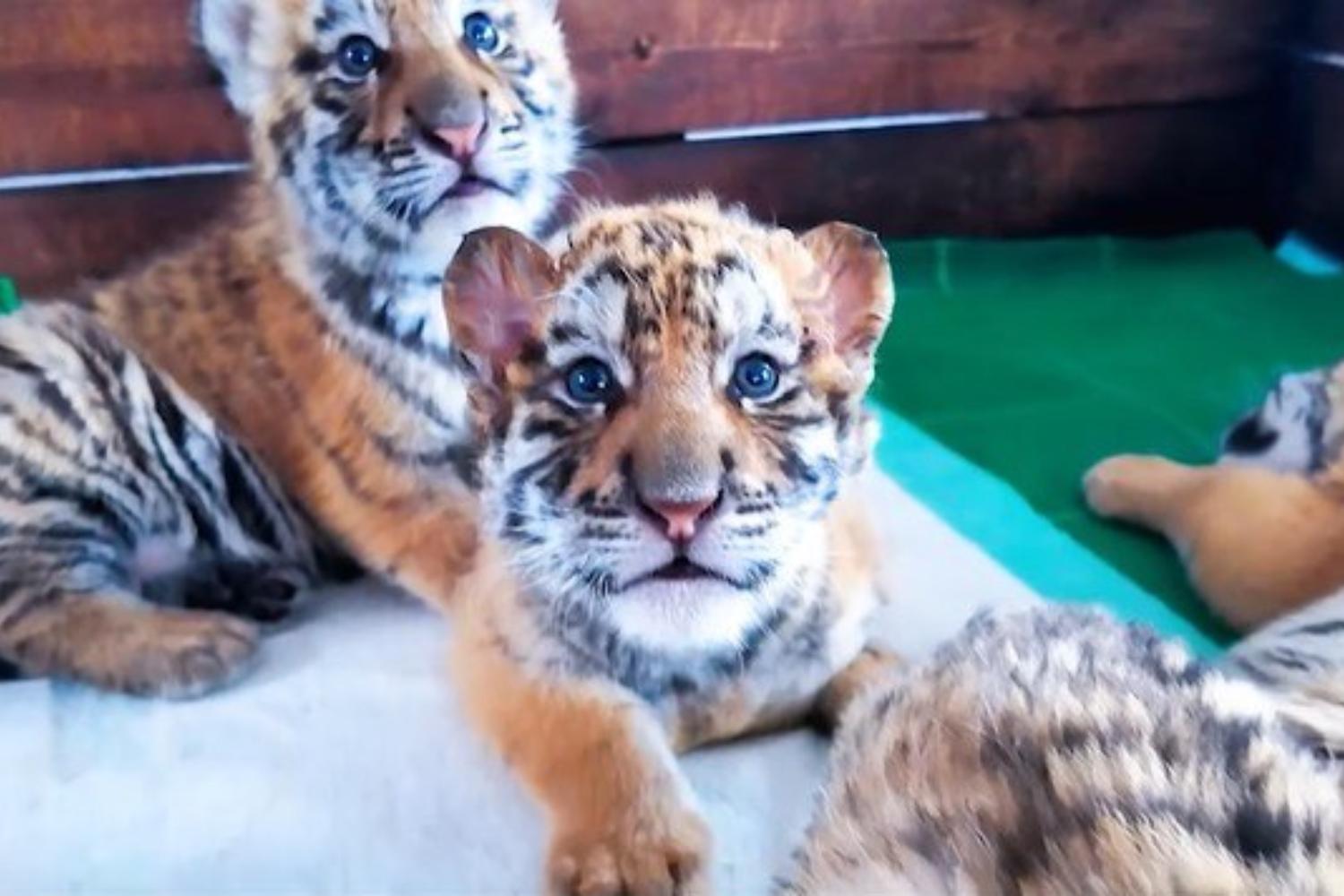
More than 30 Siberian tiger cubs have come into the world in recent weeks in the large Hailin Siberian Tiger Park, in the Chinese province of Heilongjiang. A number which, for a species considered among the most threatened on the planet, represents an enormous result in terms of animal conservation.
The births began at the beginning of April, precisely during the period of maximum natural reproduction of the species, which extends until June. According to the caretakers of the center, the little ones born in this seasonal window tend to have a greater chance of survival thanks to the more favorable climatic conditions.
Incubators, continuous checks and feeding every few hours
The first days of puppies’ life are extremely delicate. Many are placed in temperature-controlled incubators, kept around 28 degrees, because the young tigers are not yet able to regulate their body heat independently.
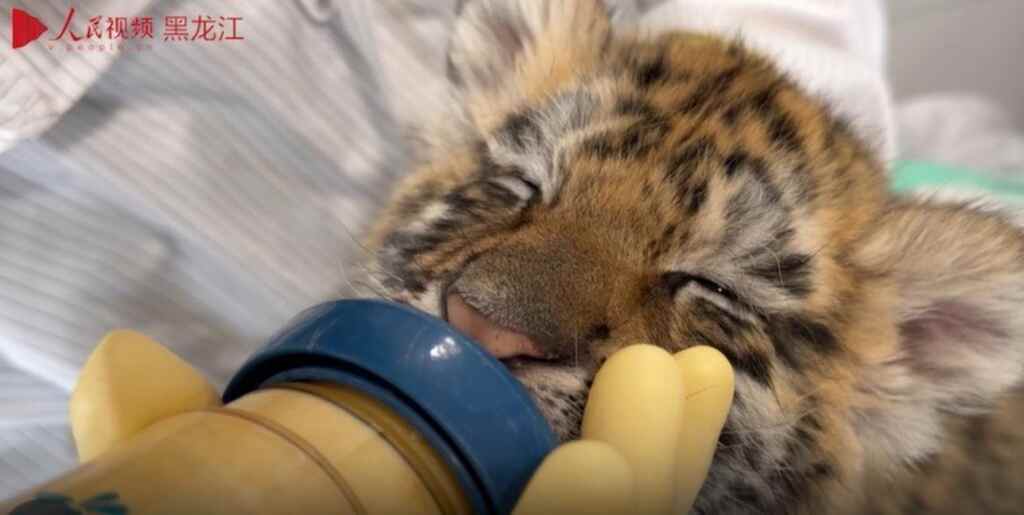
The operators follow continuous shifts: the puppies are fed milk every four or six hours, weighed daily and subjected to constant monitoring. Even bowel and movement control is done manually by the keepers.
After about a month the gradual transition to minced meat begins, while complete weaning takes up to three months. When they reach 40 days of life, the little ones are taken outdoors to sunbathe, run on the grass and develop reflexes and muscles.
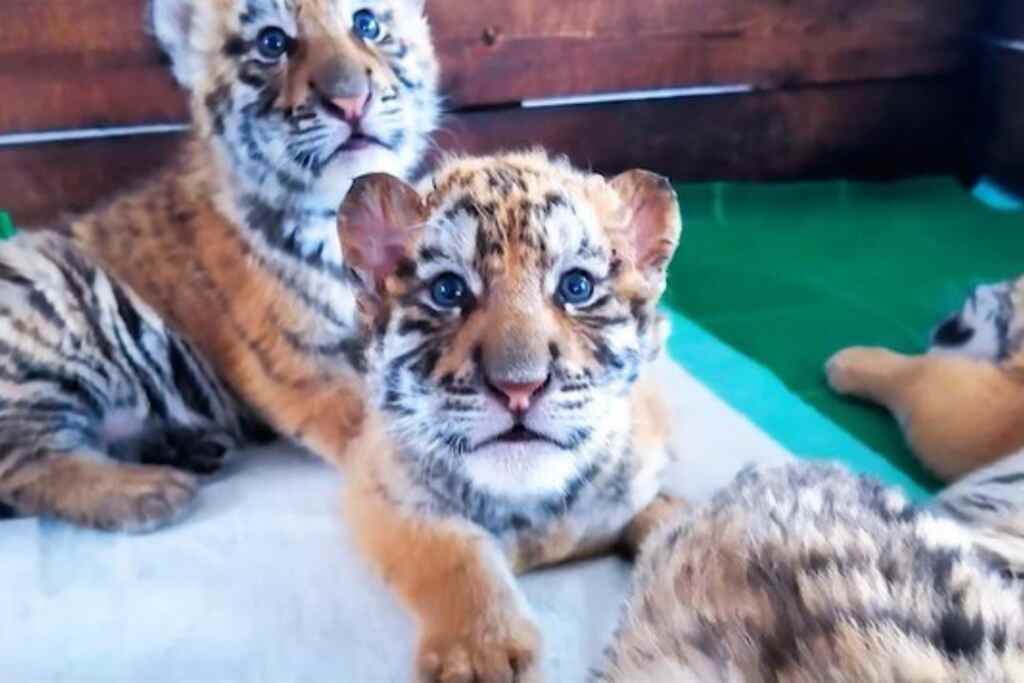
For keepers, distinguishing dozens of apparently identical puppies is not at all difficult. Each tiger has a unique stripe pattern, comparable to human fingerprints. The eyes, muzzle and features also help operators identify them and assign them a name.
Good news, but it’s not true freedom
The increase in births certainly represents an encouraging sign for the future of the species, historically widespread between Russian Siberia and the forests of north-eastern China. However, a complex reality remains: these tigers still live in captivity.
Fortunately, the animals are not locked up in small cages, but are still placed in vast controlled areas where contact with tourism is an integral part of the park experience. Visitors can feed the tigers meat, take photographs with them and observe them from protected jeeps as they even jump onto the roofs of vehicles to grab food thrown by the workers. Scenes that remind us of how these large predators, despite growing in large spaces, do not really know the freedom of their original habitat of forests, snow and wild hunting.
You might also be interested in:
