
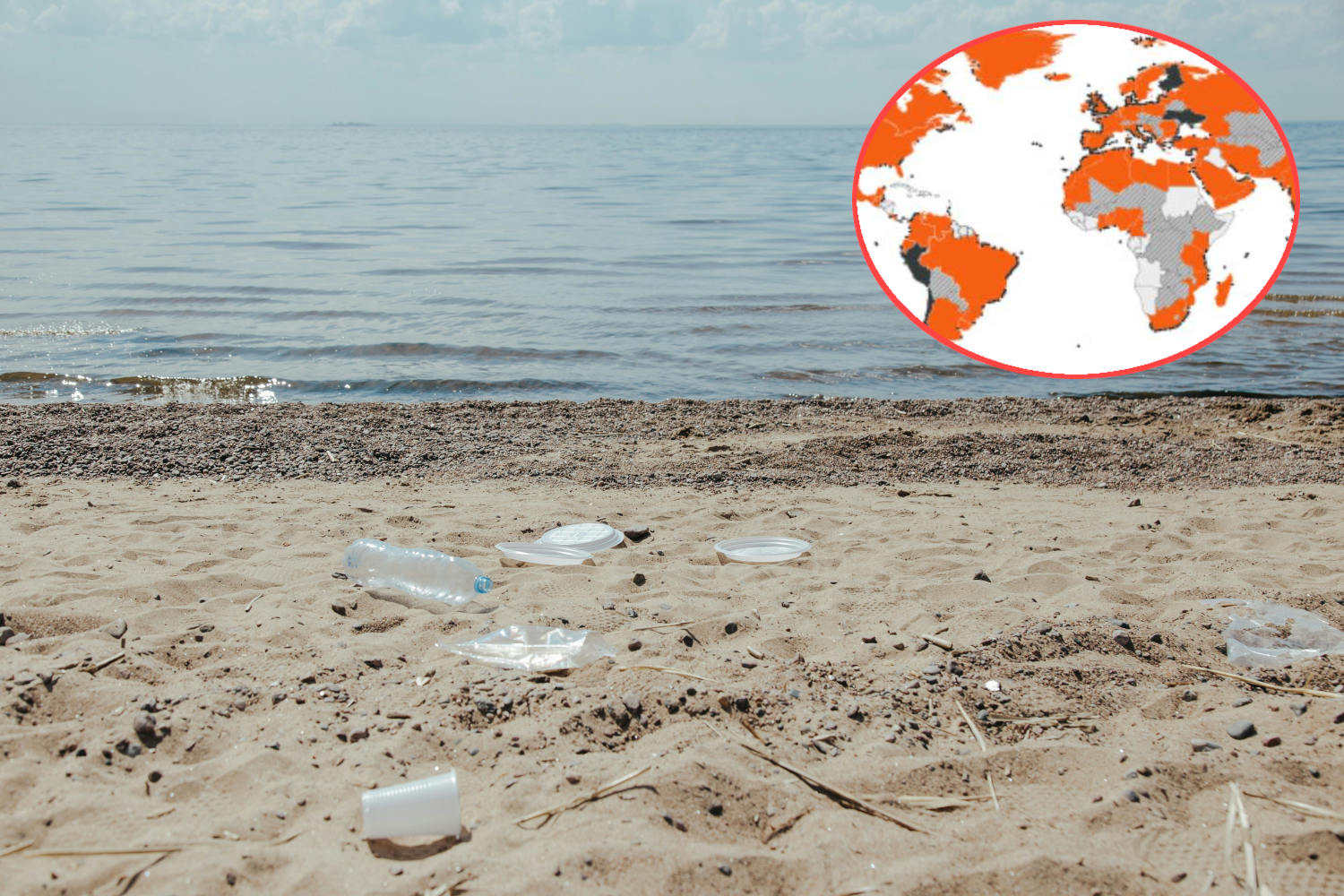
The world’s beaches are becoming a huge repository of plastic, and now international research has managed to understand precisely which products most often end up in sand, reefs and mangroves. The study, coordinated by the University of Plymouth and published in the scientific journal One Earthcreated the first truly global map of coastal waste, analyzing thousands of coastlines distributed across five continents.
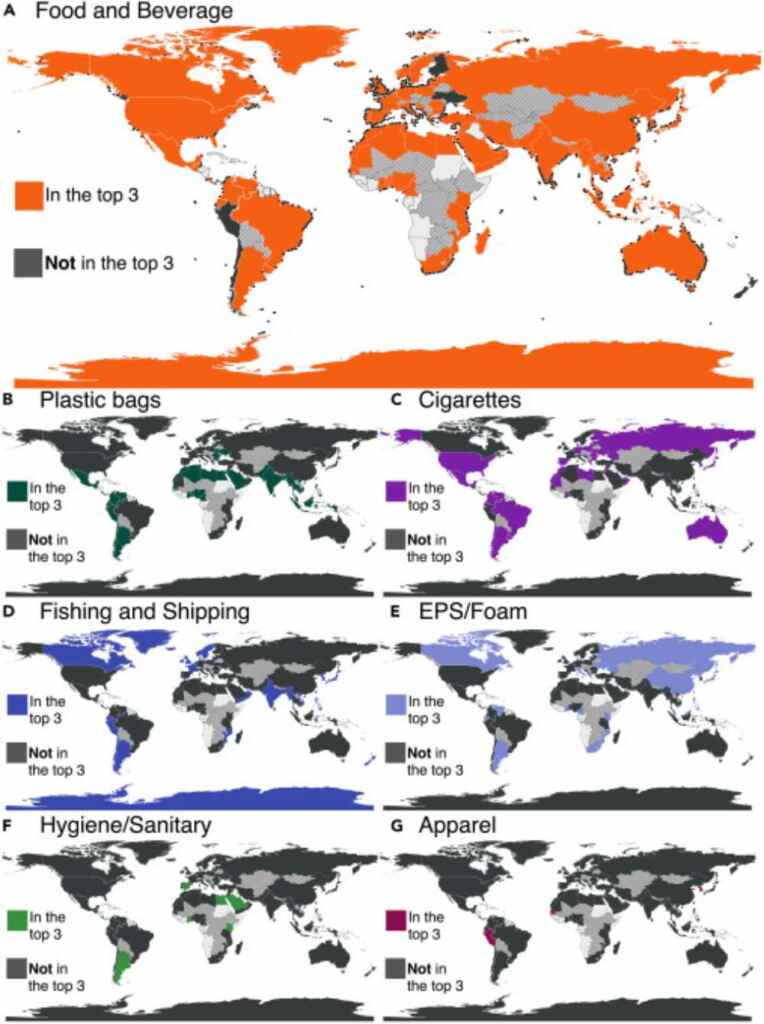
The result is impressive: above all, objects related to the rapid consumption of food and drinks dominate the coasts. Bottles, caps, food packaging and disposable containers are present practically everywhere, from the most industrialized economies to emerging nations. Alongside them, another constant presence: plastic bags and cigarette butts, small objects that are used for a few minutes but which can remain in the environment for decades or even centuries.
Over 5 thousand investigations to build the world waste map
To build the database, scientists collected data from 5,300 environmental surveys carried out in 112 countries. Sandy shorelines, rocky coasts, estuaries, mangroves and remote areas distributed throughout the planet’s ocean systems were monitored. The objective was not only to count the waste, but to understand which production sectors it came from.
It thus emerged that food packaging represents the most widespread category of all: according to the study, products related to food and drink appear among the main waste in 93% of the nations analysed. A fact that tells much more than an individual bad habit. Scholars speak openly of a global throwaway culture, built on objects designed to be consumed quickly and replaced soon after.
The Mediterranean suffocated by cigarette butts
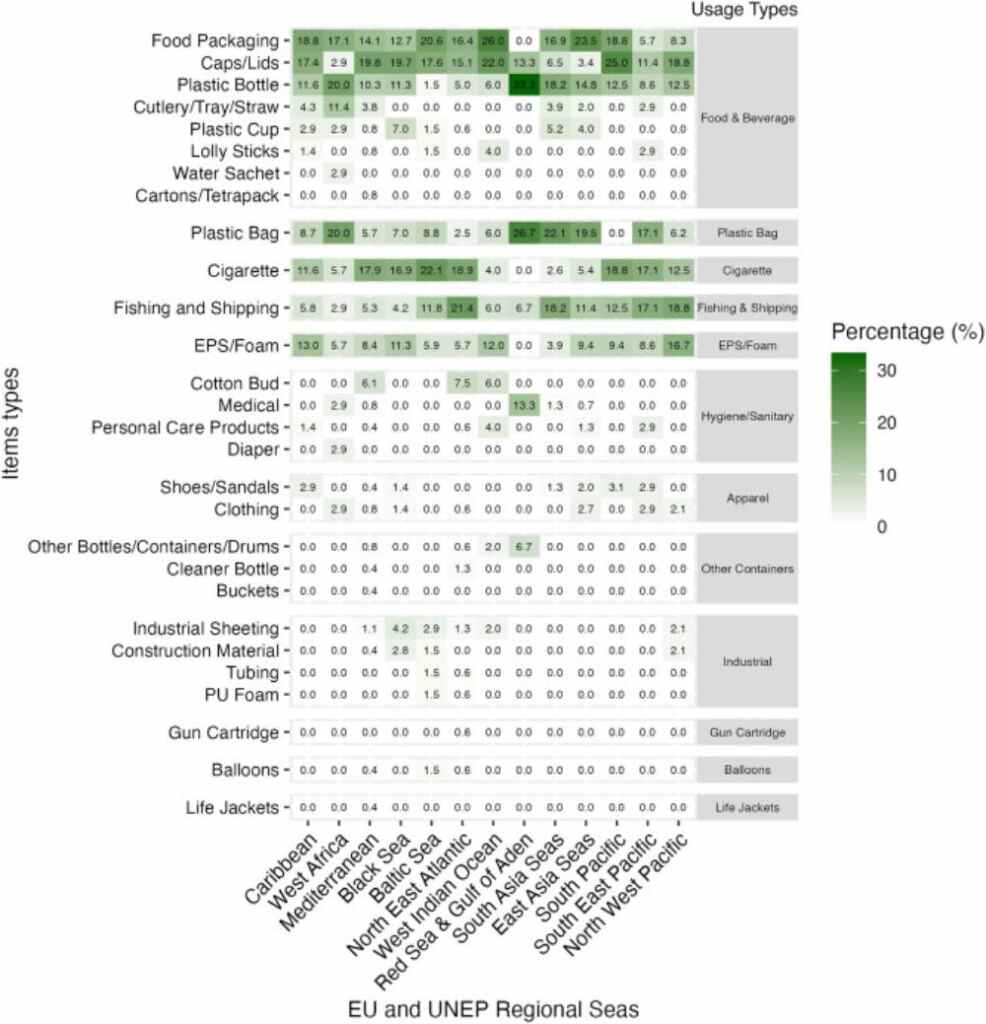
The research also highlights strong regional differences. In the Mediterranean Sea, for example, one of the most evident problems remains that of cigarette filters, considered among the most widespread waste and difficult to eliminate. Thousands of butts are abandoned on the beaches every day and then end up in the sea, releasing toxic substances and microplastics.
In the polar regions, however, equipment linked to industrial fishing and maritime expeditions prevails. In Greece, life jackets linked to migratory routes frequently appear, while in Iceland numerous cartridge cases have been found. Each coast, therefore, tells the story of the human activities that surround it.
“Recycling is not enough”: experts are calling for a radical change
According to the authors of the study, simply recycling is no longer sufficient. The problem must be addressed “upstream”, directly reducing the production of single-use plastic and imposing greater responsibility on companies for the products placed on the market.
Experts are calling for a truly global treaty on plastic, with specific restrictions for the most polluting items and incentives for truly biodegradable or reusable materials. Because the scene that unites too many beaches on the planet today is always the same: waves that return bottles, wrappers and waste destined to last infinitely longer than the use for which they were created.
You might also be interested in:
