
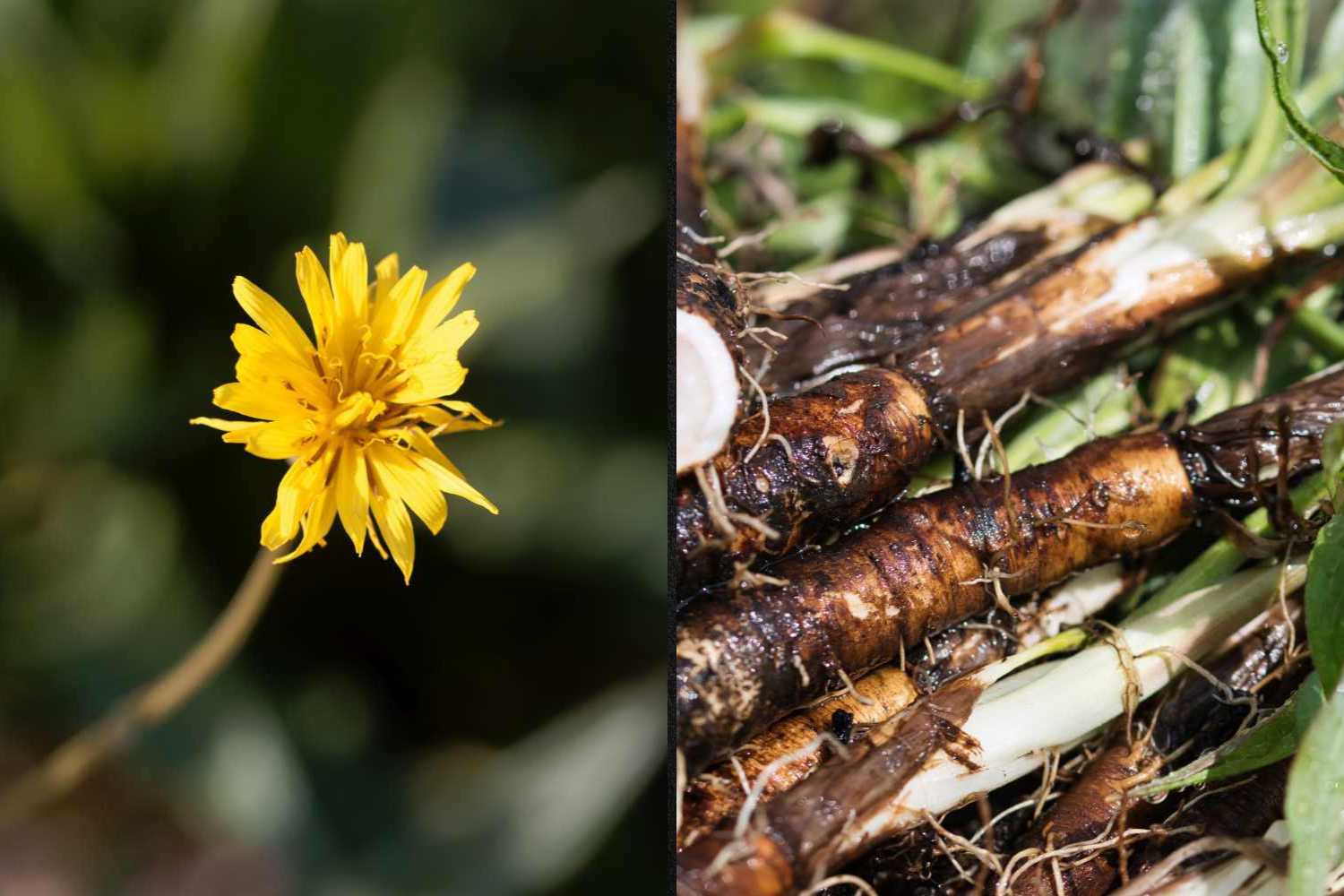
Salsify is one of those vegetables that are found less and less on market stalls. Yet this dark root, with black skin and white pulp, hides a treasure of beneficial properties and a particular flavor that is worth rediscovering. Those who have tasted it describe it as a cross between carrot and radicchio, with bitterish notes and nuances reminiscent of the umami taste.
An ancient vegetable from the European tradition
Salsify is a plant belonging to the family of Asteraceaethe same as, among others, sunflower, daisy, chamomile, lettuce and artichoke. The most widespread variety is the Scorzonera hispanicanative to southern Europe, probably Spain. In Italy, among the most widespread varieties, we can mention Scorzonera humilis and the Scorzonera aristata.
The plant has large green leaves and yellow daisy-like flowers. The edible part is the roots, long and tapered like carrots, but covered with a blackish peel which must be removed before consumption.
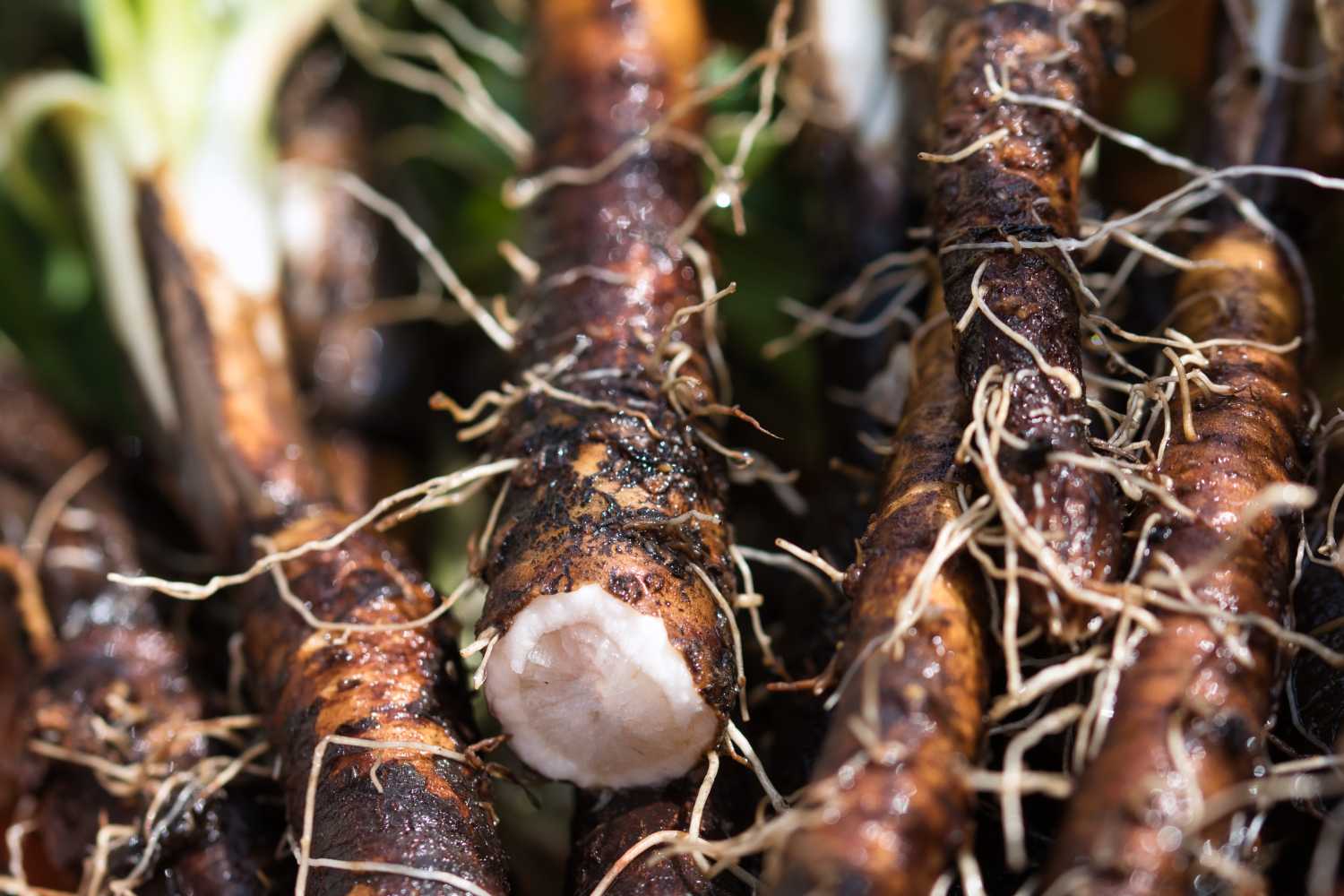
Precisely for this dark color it is called “black root”. The second name, “winter asparagus”, derives from the harvesting period: from October until the end of the cold season.
A concentrate of vitamins and minerals
From a nutritional point of view, salsify presents itself as a precious food. It contains 82 calories per 100 grams and is rich in B vitamins (B1, B2, B3, B6), as well as vitamin E, A and C. Among the mineral salts, manganese, iron, phosphorus, potassium and zinc stand out, while sodium is present in very low quantities.
The root offers a good content of dietary fiber, almost 20% of the recommended daily intake for an adult. Much of this fiber is present in the form of inulina type of soluble fiber that promotes the growth of bifidobacteria in the intestine. Inulin and levulin, two substances present in the root, make it particularly suitable for those suffering from diabetes or following a low-calorie diet.
The health benefits
The properties of salsify are numerous and range from the digestive system to the circulatory system. The high presence of potassium and the low concentration of sodium give it a natural diuretic action, useful for preventing urinary tract problems and reducing leg swelling.
Iron contributes to hair health by bringing oxygen to the scalp and keeping hair follicles healthy, while vitamin C improves its absorption. The iron and copper content promotes blood circulation and improves the supply of oxygen to the tissues.
Dietary fiber increases intestinal motility, prevents constipation and improves the digestive process. Vitamins C and E give antioxidant properties, counteracting the action of free radicals and premature aging. Calcium, magnesium and vitamin C contribute to the correct development of bones and the prevention of pathologies such as osteoporosis and arthritis.
The particular flavor of the black root
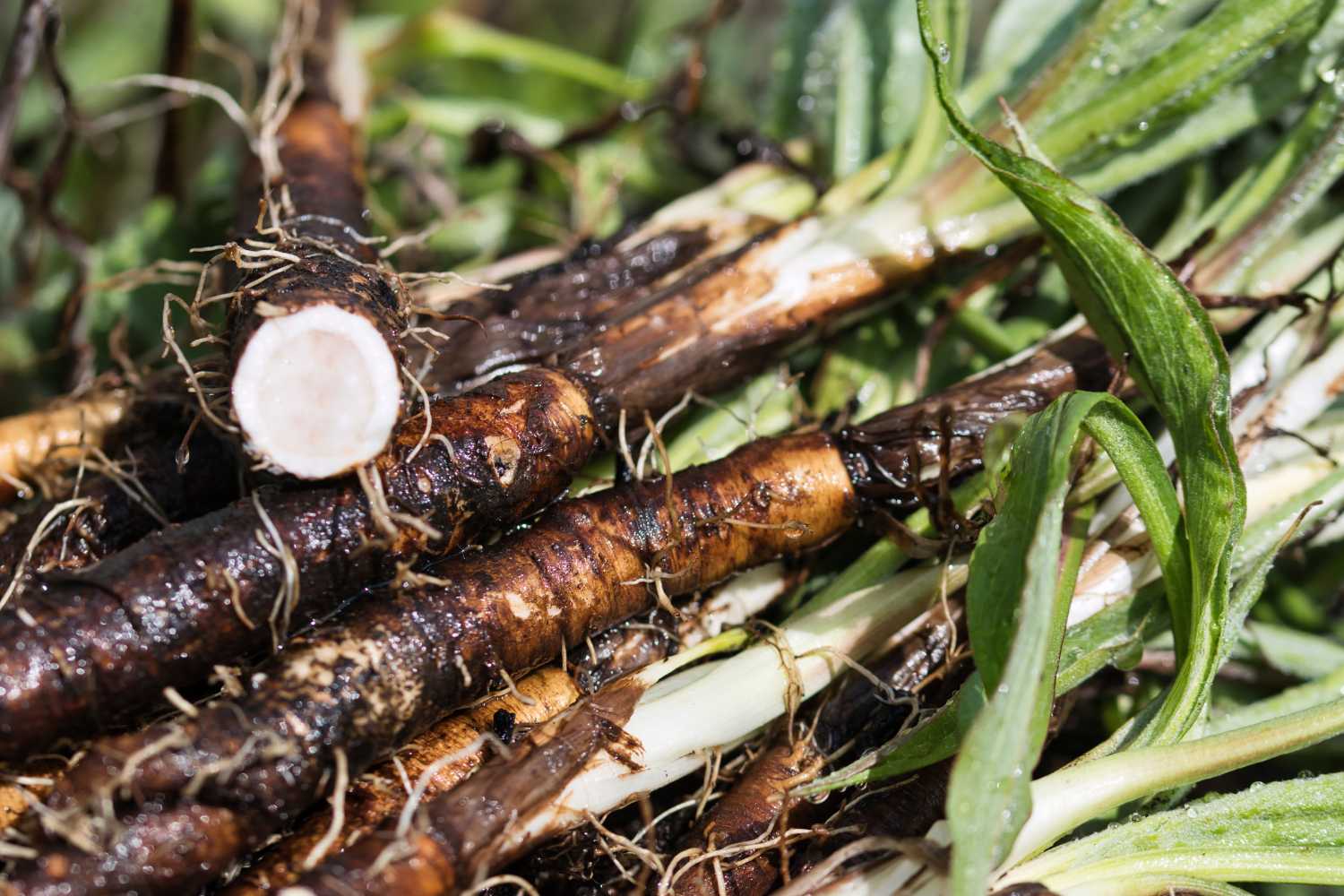
The taste of salsify divides: some love it, others find it too intense. It is a root with a bitter flavor that is suitable for various preparations. The typical bitter notes of the vegetable are reminiscent of radicchio, but with more complex nuances that some even compare to oysters, a strong character that is well suited to structured preparations, where it can express its full personality.
How to clean and prepare
Before cooking salsify it is necessary to clean it carefully. It is washed under running water to remove soil residues, then peeled with a potato peeler, eliminating the external black peel. Once peeled, it is important to soak it in water and lemon for about 30 minutes to prevent it from blackening, just like you do with artichokes.
The white pulp obtained can be consumed in many different ways. It can be eaten raw, cut into thin slices and seasoned with oil, lemon, salt and pepper. Or cooked: boiled, sautéed, baked au gratin, fried or used to prepare risottos and cream soups.
Simple recipes to discover it
Boiled salsify is the basic preparation: the roots are boiled in water and lemon for about 30 minutes. Once cooked, it can accompany fish or meat main courses, or be used to prepare risotto.
For a truly tasty side dish, after blanching it you can sauté it in a pan with oil, garlic, parsley, salt and pepper, finishing with a squeeze of lemon. For salsify chips, however, the clean roots are cut into thin slices, dipped in flour and fried in seed oil until golden brown: after drying them on absorbent paper, they are ready to be served as an appetizer.
The au gratin version involves blanching the slices in salted water for about 10 minutes, placing them in a buttered baking dish, covering them with bechamel sauce, grated parmesan and breadcrumbs, then cooking in the oven at 180° for about 30 minutes.
Where to find it and when to buy it
Salsify is not easy to find, so try it at farmers’ markets and organic produce shops. You can also order it online from suppliers specializing in so-called forgotten vegetables and fruits. At the time of purchase, you will have to carefully check the roots and verify that they are firm and compact, without soft and/or damaged parts.
As previously mentioned, the best period is from October to December, when the root will reach full maturation and see the maximum concentration of nutritional properties.
