
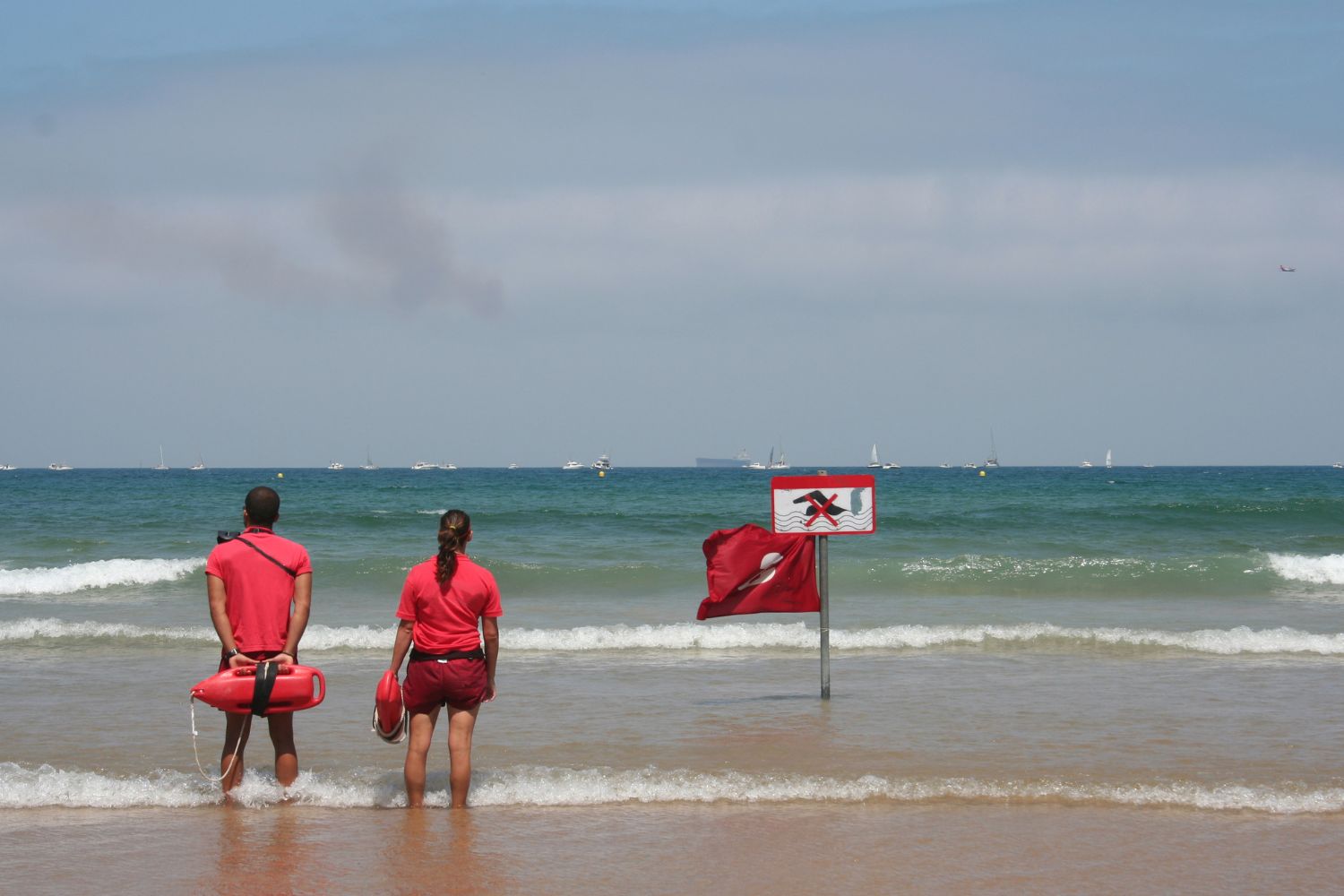
Summer on the Ligurian coast inaugurates a season of zero tolerance against digital distractions in the workplace. In the municipality of Santa Margherita Ligure, the Maritime District Office has in fact issued a very strict seaside ordinance which targets the most faithful and insidious ally of free time: the smartphone.
During the surveillance shift on the shoreline, lifeguards will be strictly prohibited from chatting, scrolling social networks or listening to music. The measure aims to eradicate a bad habit which over the years has become a source of constant danger, transforming the lifeguard station into a gray area for the safety of swimmers.
Administrative sanctions and revocation of the professional license
The fulcrum of the provision is contained in article 4 of the text, which limits the use of electronic equipment to operational purposes or management of first aid emergencies only. The strict legislation regulates even the use of audio accessories in a meticulous manner: earphones must be worn exclusively on one ear only, a requirement aimed at ensuring that the operator maintains the sound perception of the surrounding environment intact and can promptly hear any cries for help.
For those who violate the provisions, not only financial sanctions are foreseen. The maritime authority will in fact immediately report the lifeguard to the relevant federation, which will have to initiate a formal procedure to evaluate the revocation or suspension of the professional licence.
Control over the conduct of staff will not rest solely on the shoulders of the Port Authority, which has not yet issued any reports. The ordinance delegates direct supervisory responsibility to beach concessionaires and managers of free beaches. The owners of the establishments will have an absolute ban on diverting lifeguards from their station to employ them in secondary tasks not related to lifesaving, such as placing umbrellas or cleaning the shoreline; in case of violation, administrative and criminal liability will fall directly on the host company.
The metamorphosis of the category in 2026 and the ban on minors
The maritime administration’s decision is part of a broader context of profound and progressive professionalization of the category of rescuers, a figure no longer comparable to a mere beach guardian but to a technician of medical emergencies and drowning trauma.
The evolutionary path underwent a decisive legislative acceleration in 2026: after a very long series of extensions that began in 2017, the Council of Ministers definitively eliminated any postponement from the decree on seaside safety, establishing the obligation of the age of majority to carry out the lifeguard service. A choice that aims to raise the levels of protection on state property, despite the fact that the tourism sector is facing a chronic and worrying shortage of staff for the current season.
You might also be interested in:
