
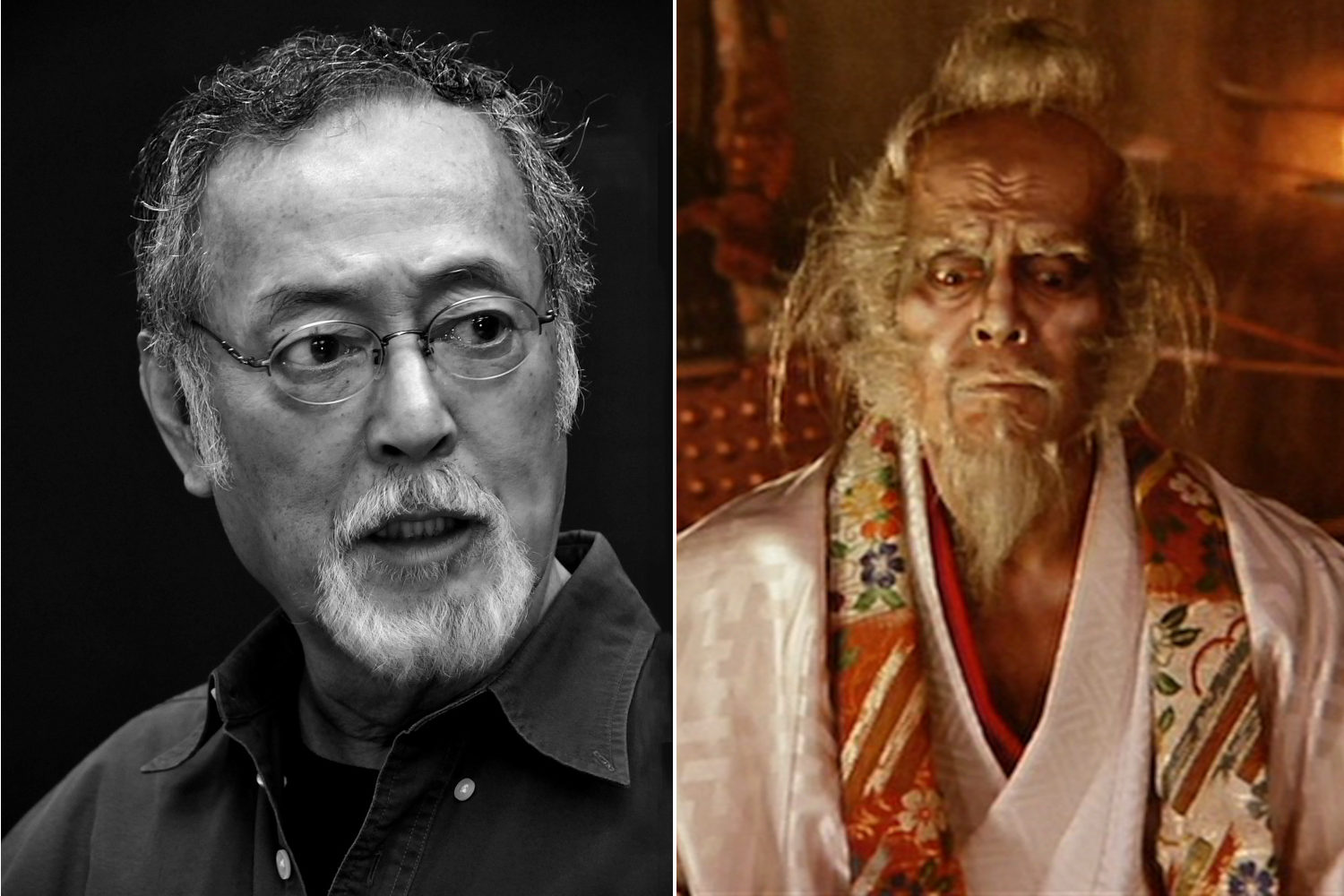
Tatsuya Nakadai, one of the most influential and beloved actors in Japan and world cinema, has passed away at the age of 92. Born in Tokyo in 1932 as Motohisa Nakadai, he began his career almost by chance when the director Masaki Kobayashi noticed him as a young salesman, placing him in The room with thick walls (1954).
Since then, Nakadai has built an extraordinary career, becoming a symbol of strength, dignity and emotional depth on screen. His collaboration with Kobayashi spanned over three decades, including such seminal films as Harakiri, The human condition And The Last Samurai.
With Kobayashi, Nakadai embodied complex characters, often pacifists or rebels, forced to deal with oppressive systems or rigid codes of honor. The trilogy of The human condition (1959-1961) established him as an interpreter of great moral depth, capable of transmitting sensitivity and dramatic tension without ever descending into melodrama.
RIP Tatsuya Nakadai (1932-2025), truly one of the greatest actors in all of cinema. pic.twitter.com/UosSFnDNyx
— Japan Society Film (@js_film_nyc) November 11, 2025
The meeting with Kurosawa and the role of the eighth samurai
Nakadai’s path soon became intertwined with Akira Kurosawa, becoming one of his trusted interpreters especially after the break with Toshiro Mifune. A brief appearance in The Seven Samurai (1954), although uncredited, earned him the affectionate nickname of “eighth samurai”.
Subsequently, he became the protagonist in films such as Kagemusha – Shadow of the Warrior (1980) e Ran (1985), where he played Hidetora Ichimonji, a ruler overwhelmed by his children’s ambition. Kurosawa himself defined it as “an actor capable of transforming silence into words and words into pain”, recognizing his extraordinary ability to bring emotional complexity and depth to characters.
Rest in Peace to the seemingly immortal Tatsuya Nakadai. One of the greatest actors of his or indeed any generation. More classics in a career than many could ever dream of pic.twitter.com/g0JFecMc0e
— ethan (@lankyframpard) November 11, 2025
Nakadai also collaborated with other masters of Japanese cinema such as Kon Ichikawa, Hiroshi Teshigahara, Mikio Naruse and Kihachi Okamoto, alternating roles in historical films, psychological dramas and even westerns, such as Today to me… tomorrow to you (1968). Among his most famous works are Kwaidan, Another’s face, Goyokin And Hachiko Monogatarititles that testify to his versatility and stage magnetism.
Recognized internationally, Nakadai received the Order of Culture, Japan’s highest honor, in 2015 and the title of Knight of the Order of Arts and Letters in France in 1992. Always humble and thoughtful, he loved to repeat: “an actor must never stop seeking the truth, even when playing a samurai”. With his passing, an era of Japanese cinema ends, leaving an indelible legacy and the memory of an artist who was able to tell the story of man, history and honor with silent strength and absolute mastery.
an actor who made me fall in love with classic japanese cinema
rest in peace tatsuya nakadai pic.twitter.com/JvXiY5EBv1— lulu (@stilIwalking) November 11, 2025
You might also be interested in:
