
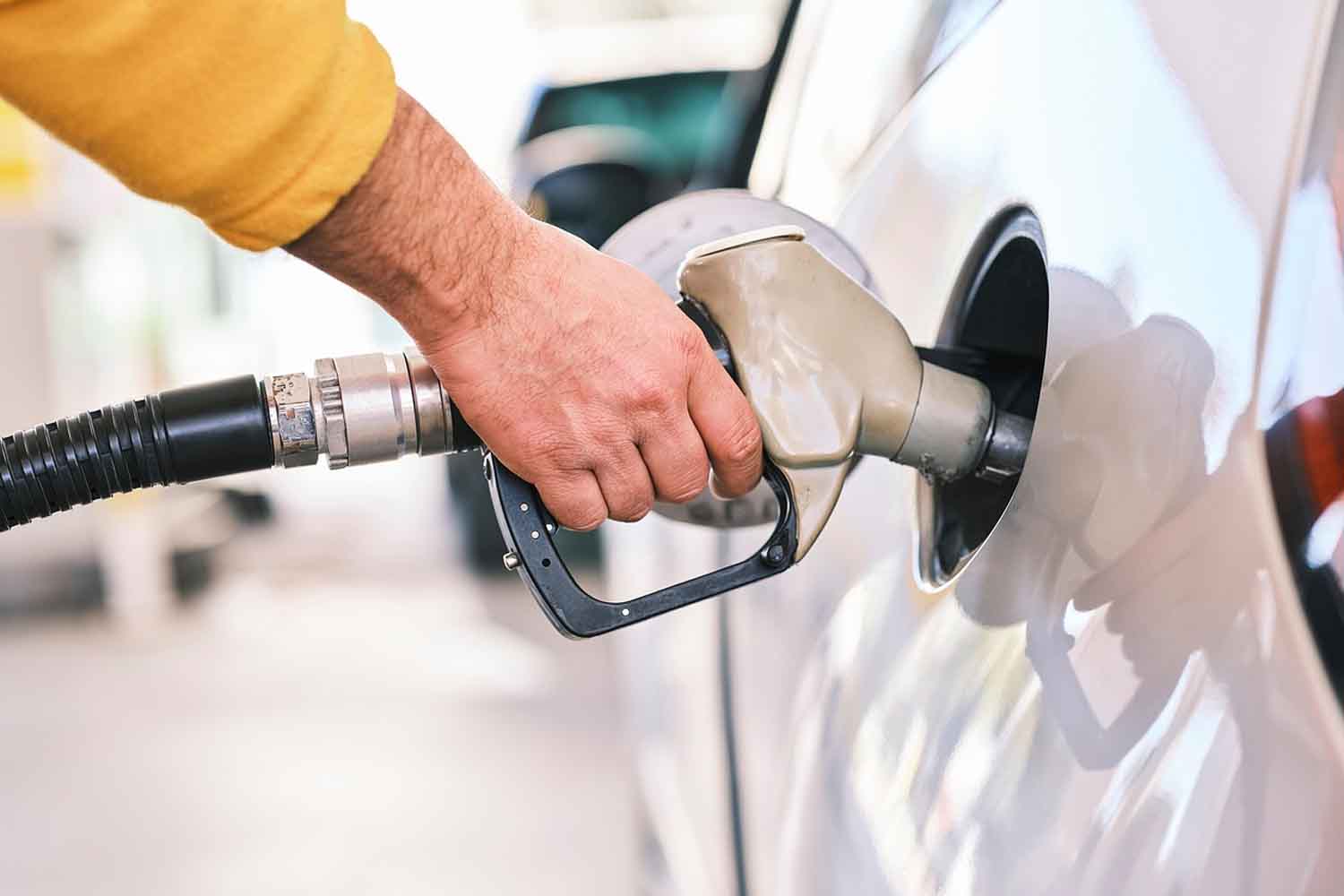
In 1996, a 50-litre tank of petrol cost, reported in euros, around 46.43 euros. In the second quarter of 2026, 92.72 were needed. For the diesel the jump is even more dramatic: from 36.50 to 100.97 euros. Put like this, the verdict seems simple: petrol doubled, diesel almost tripled.
The numbers are correct. They come from the historical series of the Ministry of the Environment and Energy Security, which allow us to compare the average quarterly prices of fuel since 1996. However, there is a rather cumbersome detail: they are nominal prices. In the meantime thirty years of inflation have passed. And in 1996, incidentally, the distributor was still paid in lire: the euros in the historical series are converted values to make the figures comparable.
Petrol goes from 0.929 to 1.854 euros, diesel from 0.730 to 2.019
In the second quarter of 1996 petrol cost on average 928.51 euros per thousand litres, i.e. 0.929 euros per litre. In the same quarter of 2026 we reached 1,854.34 euros per thousand litres, equal to 1.854 euros per litre: +99.7%.
For diesel the starting point is even lower. In 1996 they were around 0.730 euros per litre; thirty years later 2,019 euros. The nominal increase is therefore close to 177%. So far all true. Except that a euro from 1996 and a euro from 2026 don’t buy the same amount of things. It seems obvious until you try to put those 46 euros from the old tank back into today’s wallet.
Istat uses the FOI index, net of tobacco, to revalue sums of money between different periods. Applying the indices and reconciliation coefficients provided by the Institute, between the second quarter of 1996 and that of 2026 the general increase in prices is approximately 76%. And this is where that “doubling” of petrol begins to lose a lot of volume.
The 46 euro full tank from 1996 would be worth almost 82 today
The 0.929 euros per liter of petrol in 1996 is equivalent to approximately 1.64 euros today. That 46.43 euro full tank, once the value lost by the coin has been recovered, already costs around 81.9 euros. The correct comparison therefore becomes 81.9 against 92.72 euros. The real increase in gasoline over thirty years falls close to 13%. Always an increase, of course. A far cry from the 99.7% that is obtained by simply placing the two cards next to each other.
For diesel the matter remains much more difficult. The 0.730 euros per liter in 1996 are worth around 1.29 euros in 2026: a 50-litre tank goes, at comparable prices, from around 64.4 to almost 101 euros. Here the real increase remains in the order of 57%. Diesel has therefore become much more expensive compared to thirty years ago. For petrol, the “doubled price” mainly reflects the increase in the amount written on the column, much less that of its weight on the wallet.
In the middle there are also excise duties. And some political promises
The gap between petrol and diesel also has a fiscal history. For years, diesel has enjoyed a lower excise duty in Italy than petrol. That advantage was classified by the State among environmentally harmful subsidies, because it fiscally favored a fossil fuel associated with both climate-changing emissions and air pollution.
The realignment therefore began in 2025. The excise duty decree increased the tax on diesel and simultaneously reduced the tax on petrol. Since January 2026 the ordinary rates have reached the same level: 672.90 euros per thousand litres.
And here the bill meets politics. The Fratelli d’Italia program for the 2022 elections included the “sterilization of state revenue from taxes on energy and fuel” with “automatic reduction of VAT and excise duties”. The wording did not promise the abolition of excise duties, but the direction indicated was quite readable.
Four years later, excise taxes are still firmly attached to the pump. The Government intervened, especially when prices began to rise: in April 2026, those on petrol and diesel were temporarily reduced; between July and August the cuts mainly concerned diesel. The decree of 4 August, for example, brought the excise duty on diesel fuel to 532.90 euros per thousand liters until 24 August.
From the automatic reduction promised in the program we have therefore moved on to temporary cuts decided during emergencies. Excise taxes have held up better than many election promises.
Giorgia Meloni, moreover, already in January 2023 had defended the Government’s decision not to extend the previous generalized cut, arguing that those resources would have been used for more targeted interventions and specifying that during the electoral campaign she had not promised a cancellation of excise duties.
In mid-August 2026, meanwhile, diesel continued to cost more than petrol. The Ministry of Business and Made in Italy found on 14 August, on the road network in self mode, 1.989 euros per liter for petrol and 2.087 for diesel. The tax discount was therefore lightening a price that still remained higher at the pump.
Thirty years of prices tell two different stories
The period chosen for comparison also matters. The second quarter of 2026 includes months marked by strong energy fluctuations and fiscal interventions. It is the photography of April, May and June, not a price necessarily destined to remain there.
In July, Istat reported national NIC inflation of 2.8% on an annual basis; 2.9% instead concerns the European harmonized IPCA index. The most recent changes in fuel will also progressively enter into subsequent data on consumer prices.
So yes: petrol costs almost double at the petrol station compared to 1996 and diesel almost three times as much. However, if we take thirty years of inflation back into account, we obtain something much more useful: around +13% real for petrol and +57% for diesel. And in the meantime we have also discovered another remarkable staying power. The 1996 value of the lira disappeared a while ago. Excise duties, decidedly less.
