
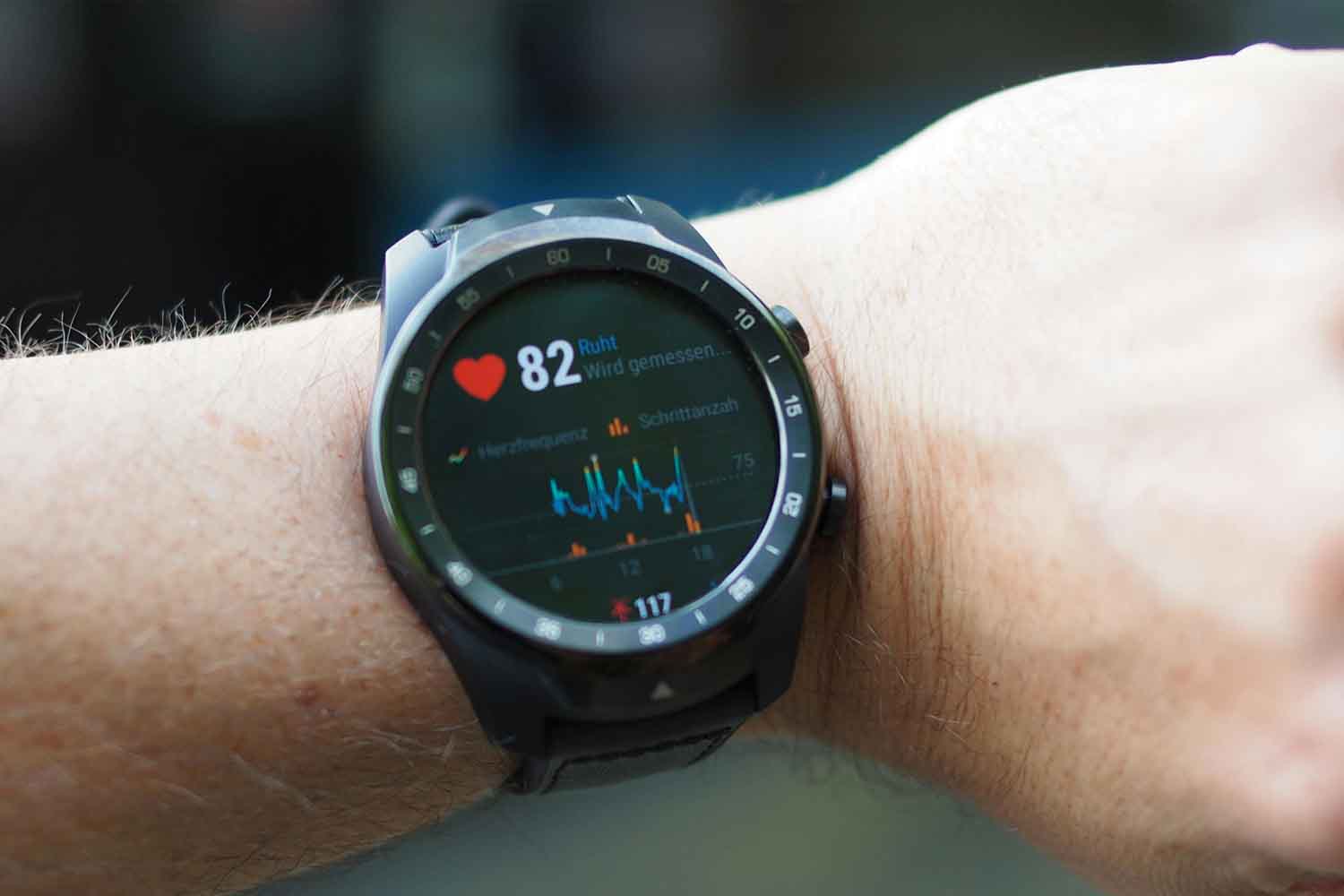
We wear them on the wrist, on the arm or under our clothes. Health wearables have entered our lives with the promise of making us feel better, monitor vital signs, prevent problems and improve daily well-being. Blood sugar sensors, bracelets for physical activity, blood pressure monitors that are increasingly smaller and more precise. But as we learn to read graphs and notifications on our smartphone, there’s a question that lingers in the background: what happens to all these objects when they stop working or become obsolete?
According to a study conducted by researchers from Cornell and Chicago universities, by 2050 global demand for wearable health devices could reach two billion pieces produced every year. An enormous number, especially when compared to the current one, which would be multiplied more than forty times.
The problem is not just the quantity, but the model with which these devices are designed, used and then discarded. If the way they are produced does not change, the environmental impact risks becoming very heavy: over one million tons of electronic waste and around 100 million tons of carbon dioxide emitted over time. Numbers that make you think, especially if we think that many of these objects have a rather short useful life.
The real environmental impact is not where we expect it
Instinctively we tend to point the finger at plastic. In fact, the study published in the scientific journal Nature tells a different story. The most polluting part of wearable health devices is not the external casing, but the internal electronic board, the one that makes the sensors and processors work.
This tiny technological “brain” is responsible for approximately 70% of the device’s carbon footprint. The reason lies in the materials used and the processes needed to extract and process them. Rare metals like gold require mining, energy, transportation and complex processing, with an environmental impact that is rarely talked about when we buy the latest model of sensor or smartwatch.
The researchers don’t just sound the alarm, they also point to a possible direction. One way is to use more common metals, such as copper, instead of rare ones. Another concerns the way in which these devices are assembled: making them modular, so that the electronic part can be reused and only the external casing replaced when needed.
These are decisions that, taken individually, seem like technical details. But when we talk about billions of devices, they become choices that make a difference. As one of the study’s authors points out, when technology is deployed on a global scale, every small design compromise adds to the others, creating a huge impact.
Perhaps, while we check our parameters on the screen, it is also worth asking ourselves how long these tools are designed to last, be repaired and not end up too soon in a drawer or, worse, in the electronic waste. Personal health and that of the planet, in the end, are not that far apart.
You might also be interested in:
