
2025 was one of the driest years on record for the planet’s rivers. This is stated in the new State of Global Water Resources 2025 report on the state of global water resources by the World Meteorological Organization (WMO), which photographs a water cycle increasingly altered by the climate crisis.
According to the analysis, the overall quantity of fresh water present on land – that contained in rivers, lakes, underground aquifers, snow, ice, soil and plant organisms – was 42% lower in 2025 than the values considered normal.
A sort of current account of the planet’s water which, experts explain, is progressively emptying.
An increasingly unpredictable water cycle
From melting glaciers to extreme droughts to flash floods, climate change is making the water cycle more unstable and difficult to predict. The world’s rivers are increasingly experiencing opposite conditions: periods of extreme scarcity alternating with episodes of violent floods.
In 2025, one of the warmest years on record, only about a third of global rivers maintained flows considered normal. Thirty-six percent of river basin areas experienced levels below or much below average, while 21% had flows above or much above normal.
The last seven years, according to the WMO, have been the period with the fewest rivers in “normal” conditions since 1991.
We are eating up our water savings account,” said Celeste Saulo, secretary general of the WMO, highlighting how global water storage on land has been steadily declining since 2014-2016.
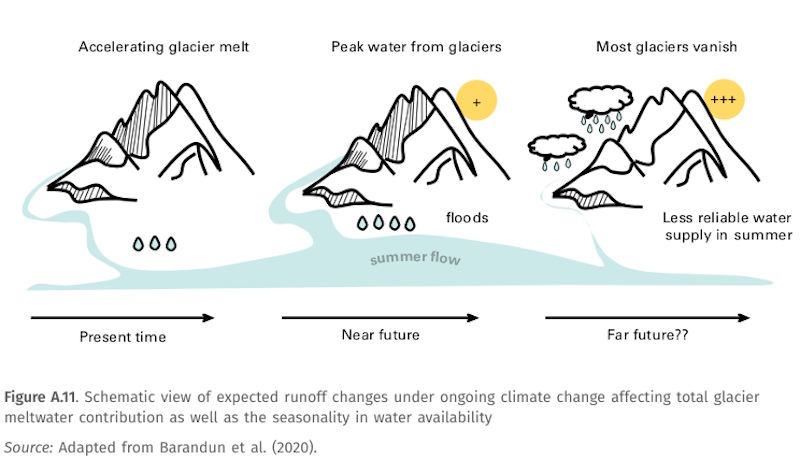
Making the situation worse is the situation of the glaciers, fundamental natural reserves of fresh water.
In 2025, for the fourth consecutive year, all 19 major glacial regions of the world lost mass. The overall loss was about 400 billion tons of ice, an amount that contributed to global sea level rise of about 1.1 millimeters.
Glaciers are recording the highest losses since the 1990s, with the most serious episodes concentrated in the most recent years.
@WMO
Rivers under pressure
The problem is not just about the amount of water available. The planet’s great rivers are subjected to increasing pressure due also to pollution and excessive withdrawal of water resources.
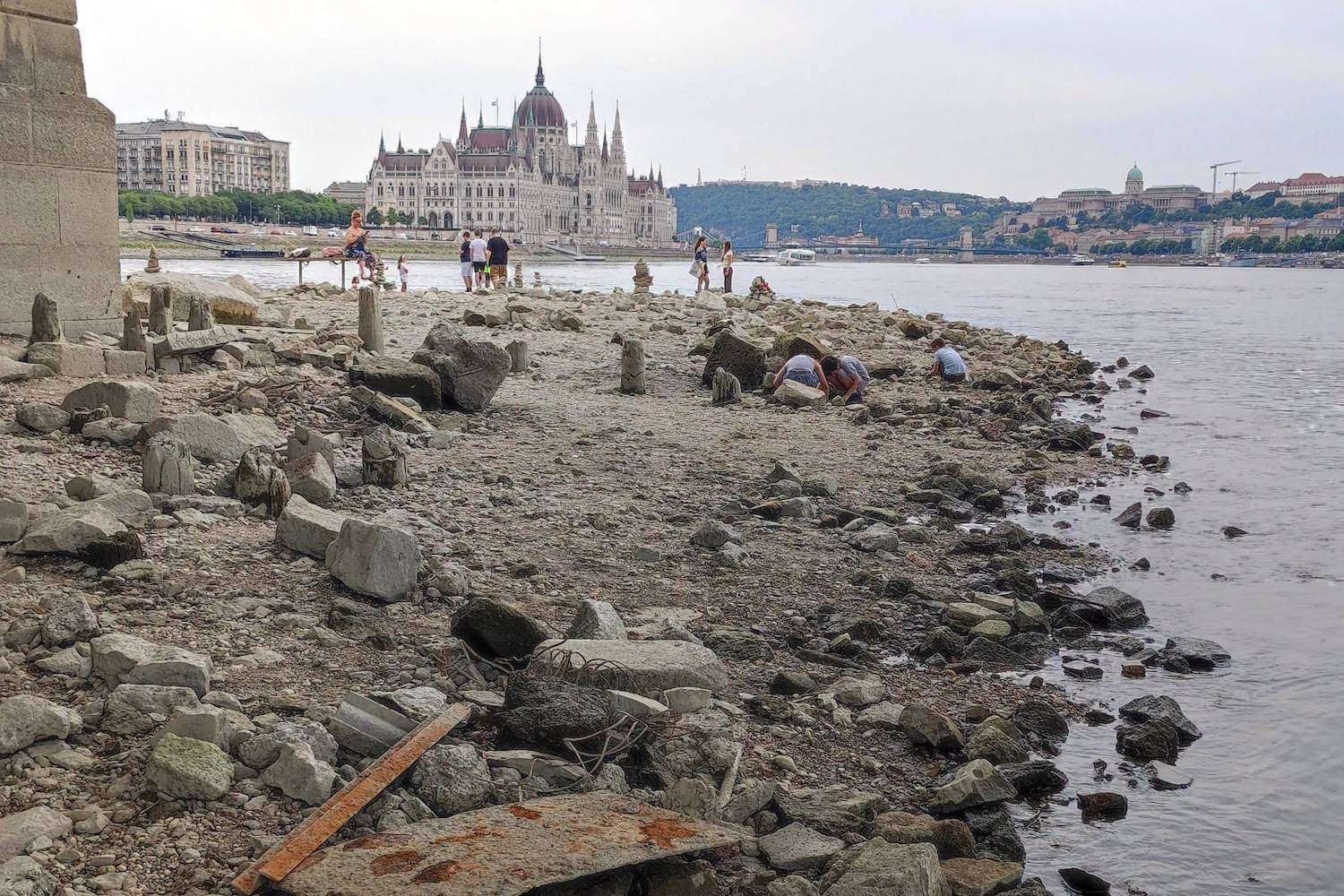
The Danube, for example, reached exceptionally low levels during the summer, causing an energy crisis in Hungary and Romania: some nuclear reactors had to stop because the river did not have enough water for the cooling systems.
The Mississippi, a major water source for about 50 municipalities in the United States, faces chemical contamination, wetland loss, saltwater intrusion and increasingly frequent periods of drought.
Even large African rivers such as the Nile, Niger and Zambezi are threatened by a combination of water scarcity and pollution, impacting ecosystems and communities that depend on these waterways.
@WMO
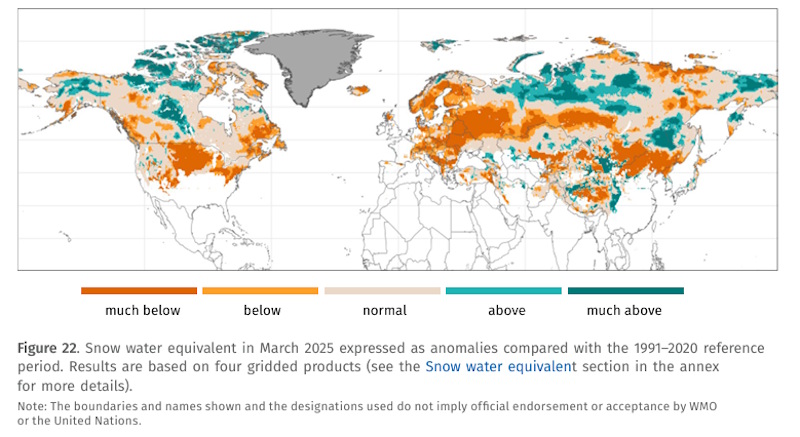
The situation in England: here, according to the assessments cited in the report, no river today reaches a good overall ecological and chemical status.
@WMO
Among the main threats are sewage discharges, agricultural pollution, persistent chemicals such as PFAS and excessive water abstraction.
The river crisis is also a social crisis
The WMO report is not just about ecosystems. River health is closely linked to food security, energy, public health and the economy. Over the past five years, many areas of the world have repeatedly recorded lower-than-normal river flows: including the Amazon basin, the Rio de la Plata basin, several areas of North America, central and eastern Africa, central Asia and the Middle East.
In some areas, droughts and floods follow one another without leaving sufficient time for ecosystems and communities to recover.
According to WMO experts, more data, greater international collaboration and more effective monitoring of global water resources are needed. Because rivers are not just waterways, but one of the most important natural infrastructures on which life on the planet depends.
HERE you can find the full report.
