

Italy is one of the countries with the richest dairy tradition in the world. Each region brings with it centuries of peasant knowledge, different pastures, native breeds and processing techniques handed down from generation to generation. From the milk of Alpine cows to that of Apennine sheep, up to the buffalo from the Tyrrhenian plains, the result is an unrivaled map of taste: over 500 registered varieties, dozens of PDOs and PGIs recognized at European level. A heritage that is not only gastronomic, but cultural and identity. Here is a journey region by region, discovering at least one excellence for each territory.
Aosta Valley
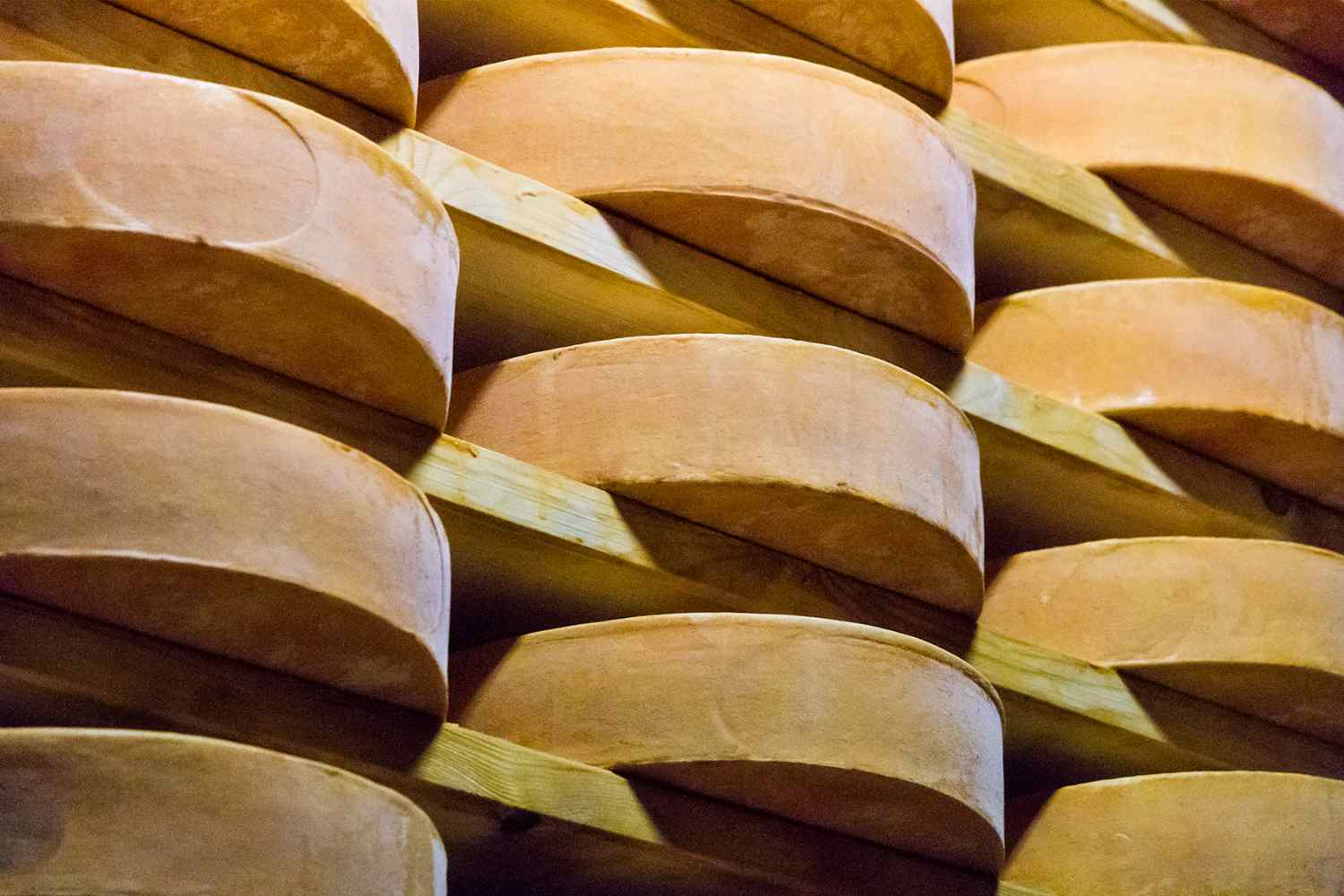
Fontina DOP is born among the Alpine peaks and high altitude pastures, the absolute symbol of the region. Produced exclusively with raw Aosta Valley cow’s milk, it has a soft and elastic texture with an intense scent of grass and hay. Fundamental in local cuisine, it is the main ingredient of Aosta Valley fondue.
Piedmont
Piedmont boasts one of the richest dairy traditions in Italy. Among its excellences, Castelmagno DOP stands out, a semi-hard blue cheese produced in the mountains of Cuneo. The cows grazing at high altitudes feed on aromatic herbs which transfer to the milk – and therefore to the cheese – a complexity of aromas and flavors that are difficult to find elsewhere.
Lombardy
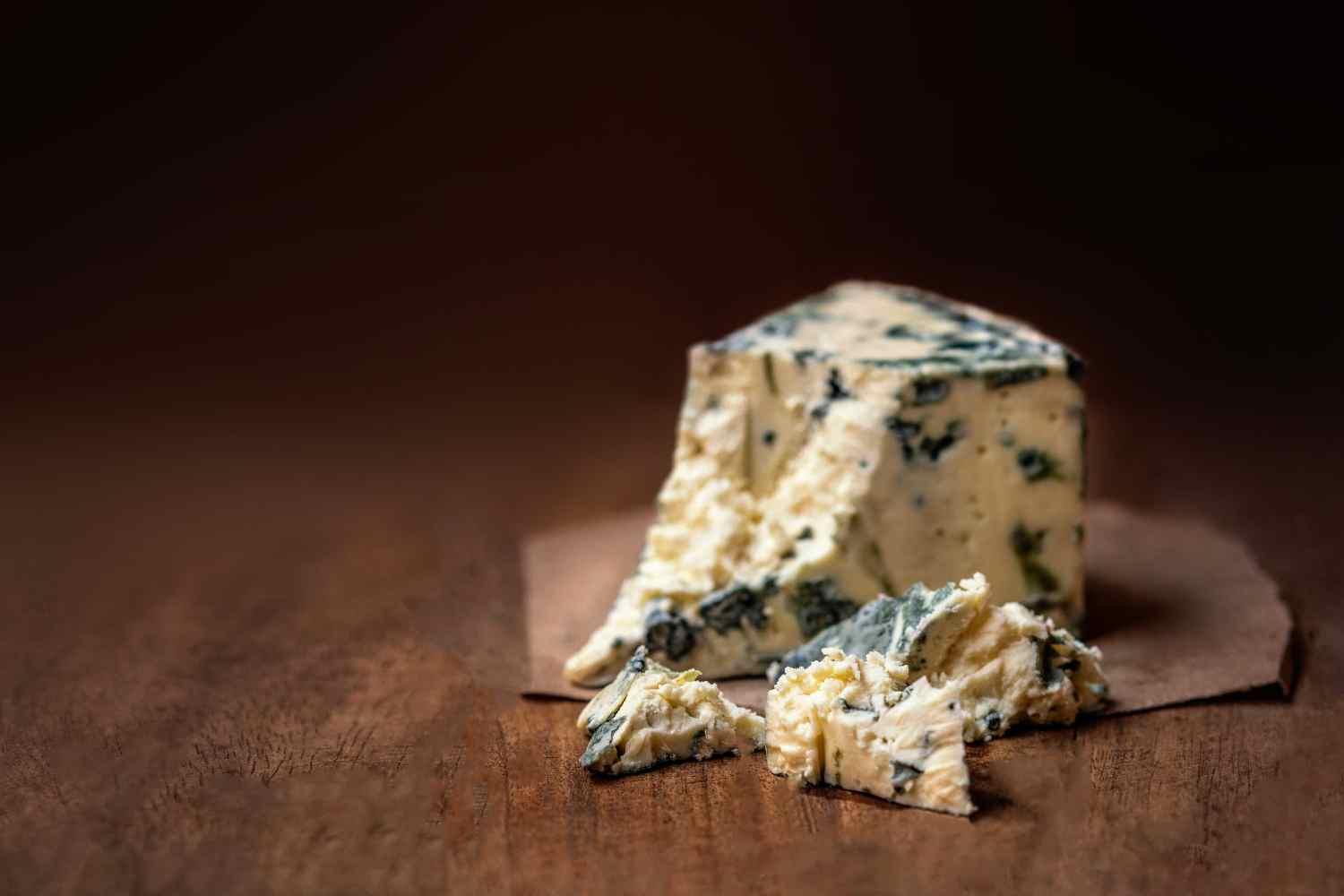
Lombardy is a land of great cheeses, from the noble Gorgonzola DOP – the blue cheese par excellence, with its unmistakable grey-green veins – to the rustic Bitto della Valtellina, up to the fresh and aromatic Taleggio DOP. A region that alone could tell the entire Italian dairy history.
Trentino-Alto Adige
This border region expresses its Alpine soul in Puzzone di Moena, a soft cheese with a strong and unmistakable olfactory impact, produced in Val di Fassa. In contrast, the Stelvio DOP (also called Stilfser), with a soft texture and a sweeter and more delicate flavour, typical of Val Venosta.
View this post on Instagram
Veneto
Veneto offers a remarkable variety, from mountain cheeses to plain ones. Monte Veronese DOP, produced on the Lessini Mountains since the 13th century with Bruna Alpina cow’s milk, is one of the most representative excellences. Those looking for it in the mountain pasture version will find a Slow Food presidium to protect its authenticity.
View this post on Instagram
Friuli-Venezia Giulia
Montasio DOP takes its name from the Friulian plateau of the same name and is available in four versions – fresh, medium, seasoned and very old – depending on the months of maturation. Its compact texture and flavor that grows over time make it versatile both at the table and in the kitchen.
View this post on Instagram
Liguria
A region often overlooked in the national dairy panorama, Liguria is home to Triora cheese, produced on the slopes of Mount Saccarello in the Imperia hinterland. With a semi-hard and compact texture, it acquires aromatic intensity as it matures. A mountain cheese with the character of the sea behind it.
Emilia-Romagna
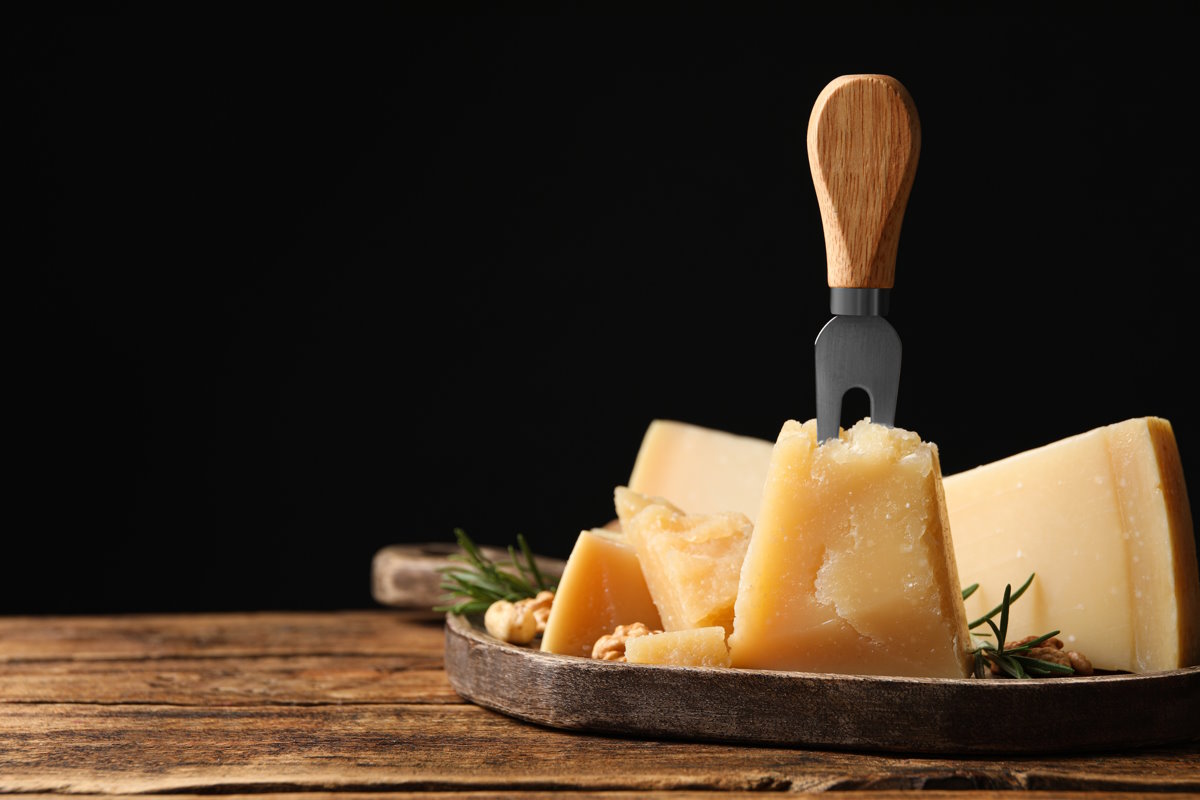
Here Parmigiano Reggiano DOP reigns supreme, the “king of cheeses” known and imitated throughout the world. Produced only with the milk of cows fed on selected fodder, without silage or animal meal, it has a grainy, crumbly texture dotted with characteristic calcium crystals. A 100% natural and irreproducible product.
Marche
Casciotta di Urbino DOP is a small cylindrical shape with a soft and elastic heart, with a sweetness that makes it unique. Produced with a blend of sheep’s milk (70–80%) and cow’s milk, it represents the meeting point between the pastoral tradition of central Italy and the influence of northern cheeses.
View this post on Instagram
Tuscany
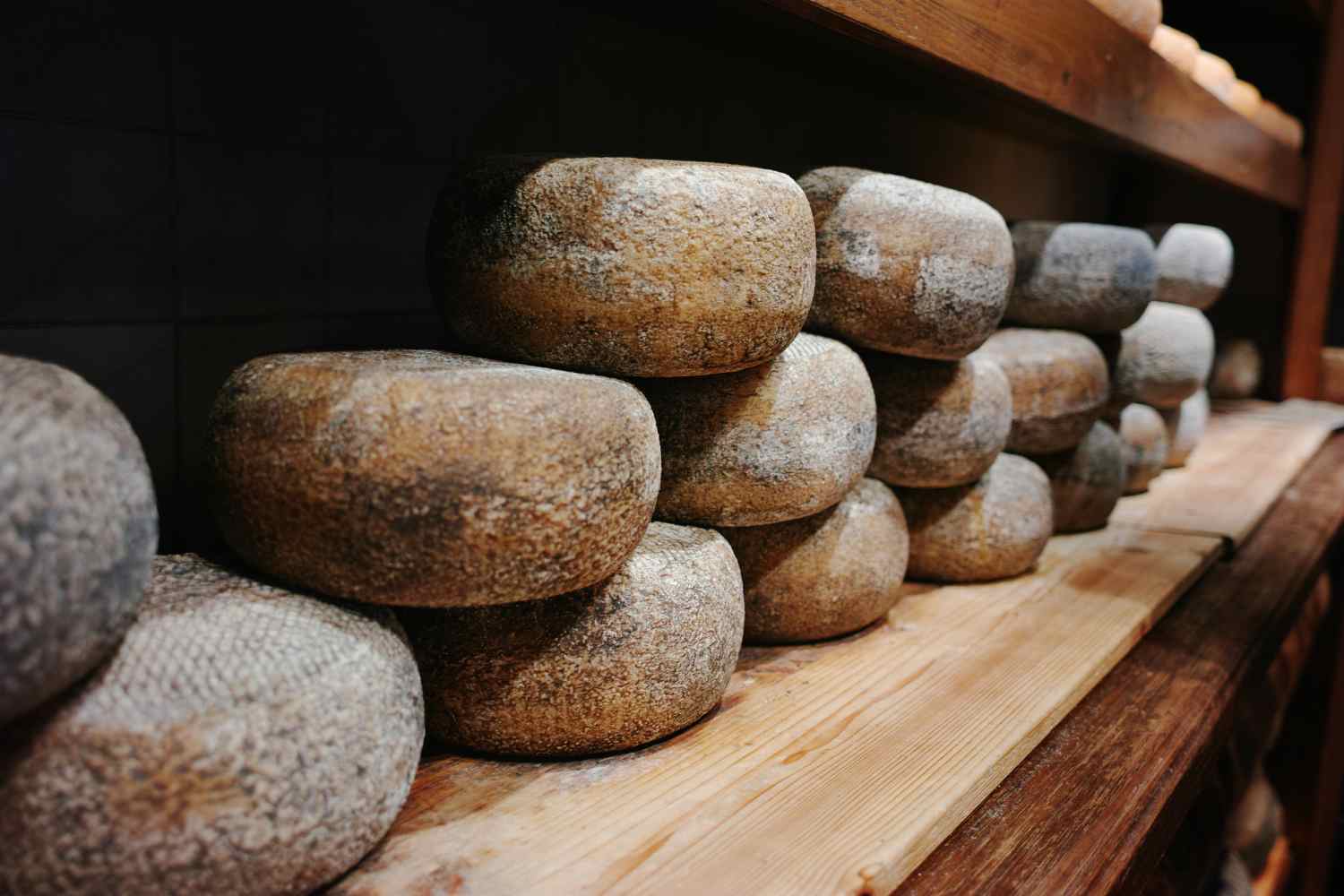
Pecorino Toscano DOP is the portrait of the region: fragrant, tasty, with a compact texture that becomes firmer with maturation. Produced throughout the regional territory, it differs from the table version – fresher and softer – to the grater version. A special mention goes to the pecorino di Pienza, aged in oak barrels with hints of pomace.
Umbria
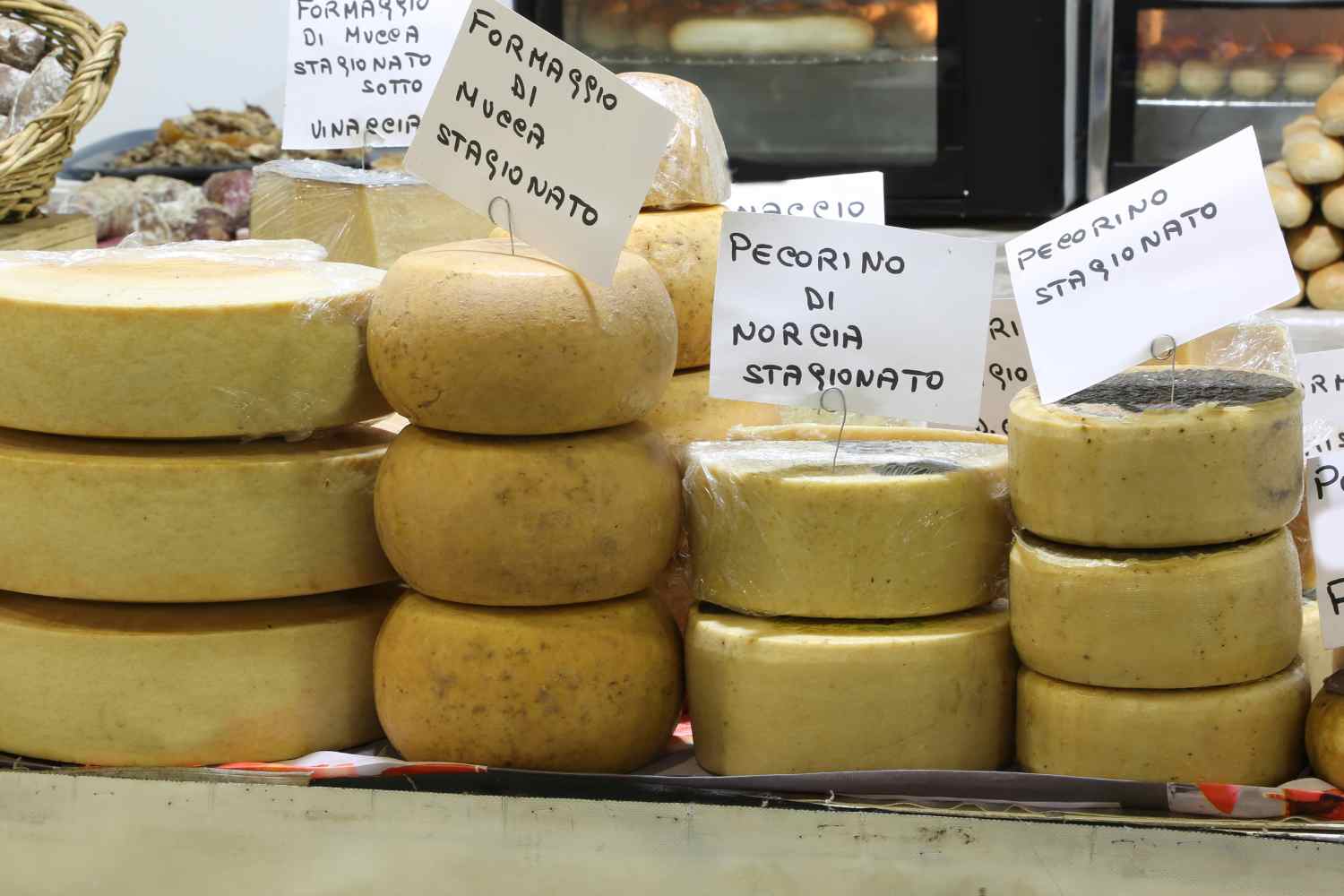
Umbria preserves the shepherd’s Pecorino di Norcia, linked to the Valnerina and obtained from whole sheep’s milk. Its flavor is initially spicy, but softens as it matures for up to six months. An alpine and local cheese, in the most authentic sense of the term.
Lazio
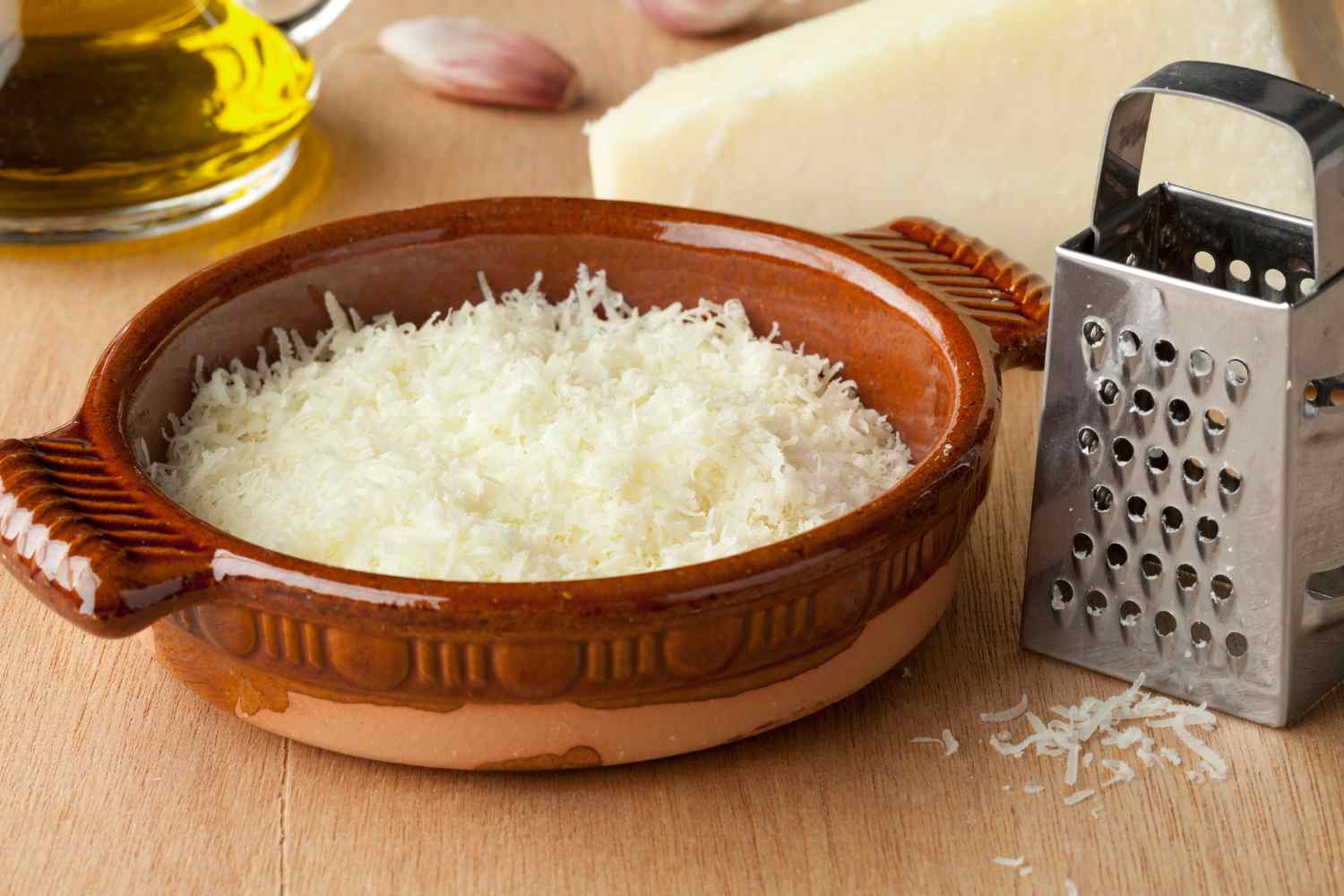
Pecorino Romano DOP is one of the oldest cheeses in the world, with origins dating back to Roman times. Hard texture, intense aroma and a touch of spiciness make it the undisputed protagonist of historic dishes such as cacio e pepe and gricia. Despite the name, today its production also extends to Sardinia and the province of Grosseto.
Abruzzo
Scamorza Abruzzese is a stretched curd with a characteristic shape, produced in both the fresh and dried versions, after at least ten days of maturation. Sweet and stringy, it is perfect both on its own and as an ingredient in the kitchen. A simple and sincere cheese, which tells the peasant soul of this region.
Molise
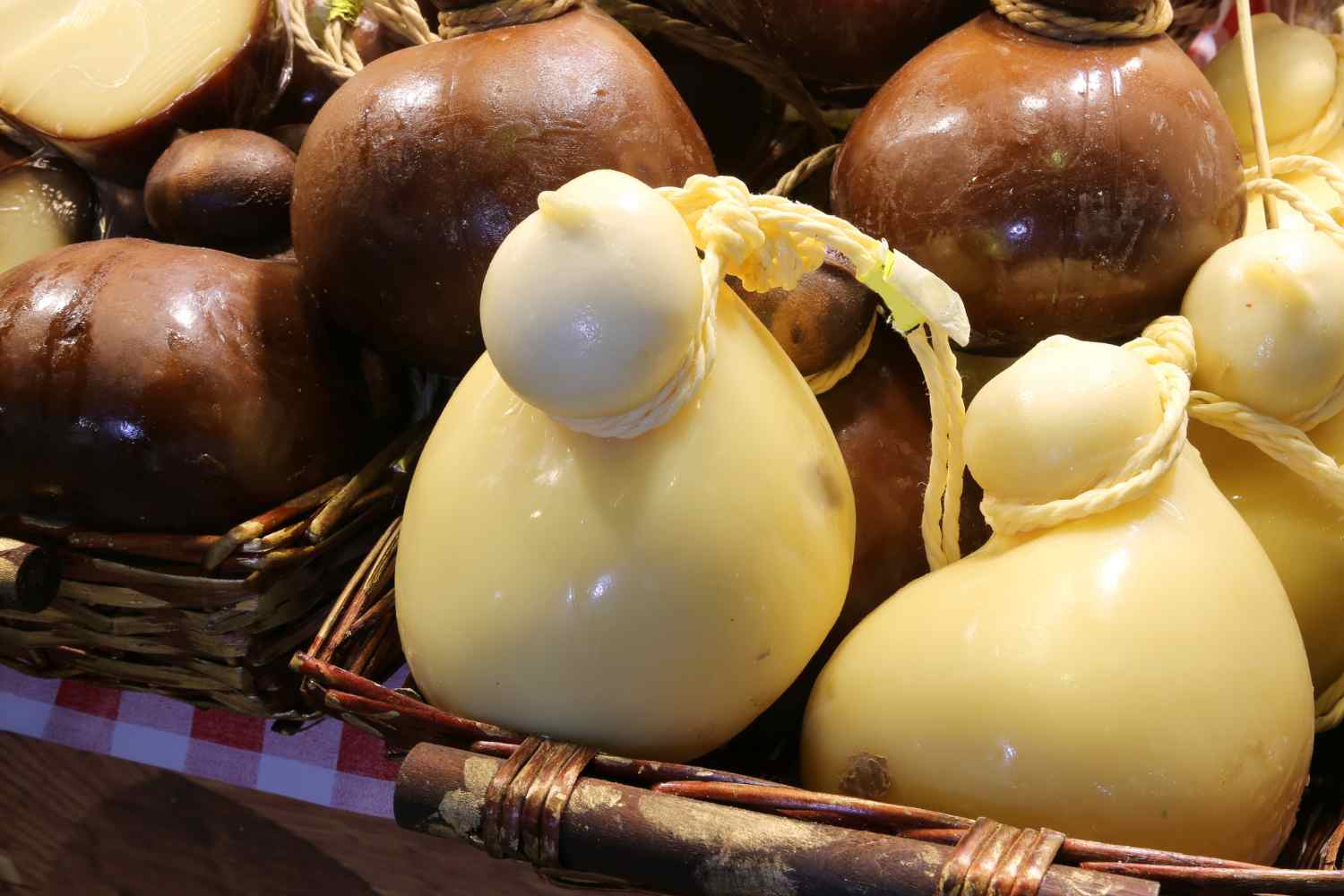
Caciocavallo Molisano comes from Molise, an expression of the great tradition of southern stretched curds. The wheel is tied and left to mature “straddling” a beam, according to an ancient custom that gave its name to the entire genre. A technique as rudimentary as it is ingenious.
Campania
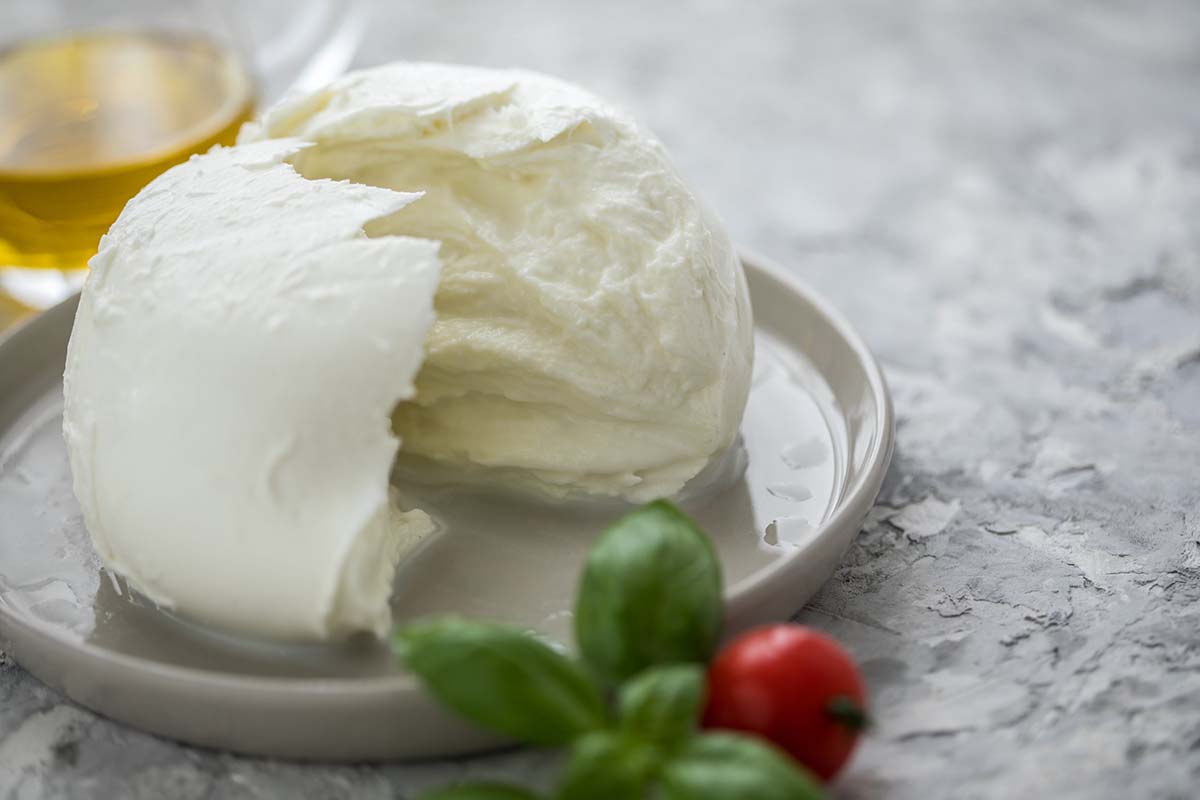
Campania is the homeland of Mozzarella di Bufala Campana DOP, considered one of the absolute excellences of the Italian dairy heritage. With a pearly white color and a soft and elastic texture, when cut it releases its fragrant serum. The secret is in the buffalo milk, fatter and richer than cow’s milk, which gives it an inimitable creaminess.
Puglia
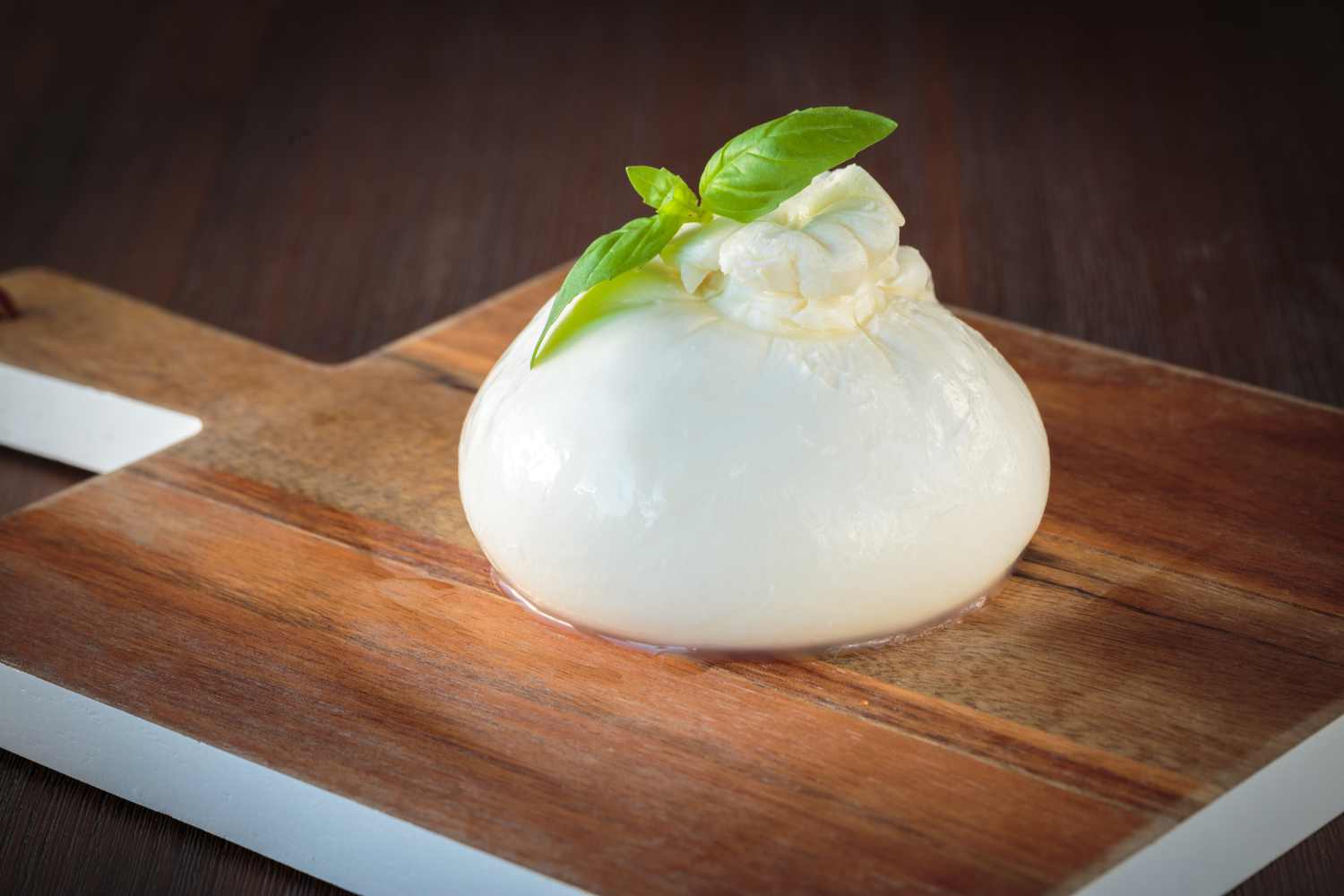
In Puglia the creamy heart wins over everything. The Burrata di Andria PGI is a masterpiece of simplicity: a stretched curd wrapper containing stracciatella and cream, all sealed like a bag. Born as a remedy by an ingenious cheesemaker during a snowfall that blocked milk supplies, it is today one of the most loved Italian cheeses in the world.
Basilicata
Pecorino di Filiano DOP represents the sheep excellence of Basilicata. Produced in the hills north of the province of Potenza, it has a compact and unctuous texture with an intense flavor that develops through long maturation. A cheese that brings with it the scents of the Lucanian pastures.
View this post on Instagram
Calabria
Pecorino Crotonese PAT is the symbolic cheese of Calabria, produced in fresh, semi-hard and mature variants. Each version tells a different stage of the same story: that of a territory dedicated to sheep farming, where sheep’s milk has always been a precious resource and an entire culture.
View this post on Instagram
Sicily
The island responds with Pecorino Siciliano DOP, produced in the hilly and mountainous areas of Messina, Ragusa and Enna. Matured in typical baskets and often enriched with black peppercorns, it exists in numerous variations, from very fresh tuma to mature cheese. A curiosity: Piacentino Ennese DOP, enriched with saffron and pepper, became the thousandth designation of origin registered by the European Union in 2011.
View this post on Instagram
Sardinia
Sardinia is a dairy universe unto itself. Fiore Sardo DOP is its most authentic expression: produced mainly in central Sardinia, it is still smoked over a wood fire according to the shepherds’ tradition. As it matures, it acquires a grainy and crumbly structure, with a smoky scent that makes it unmistakable and unrepeatable.
View this post on Instagram
