
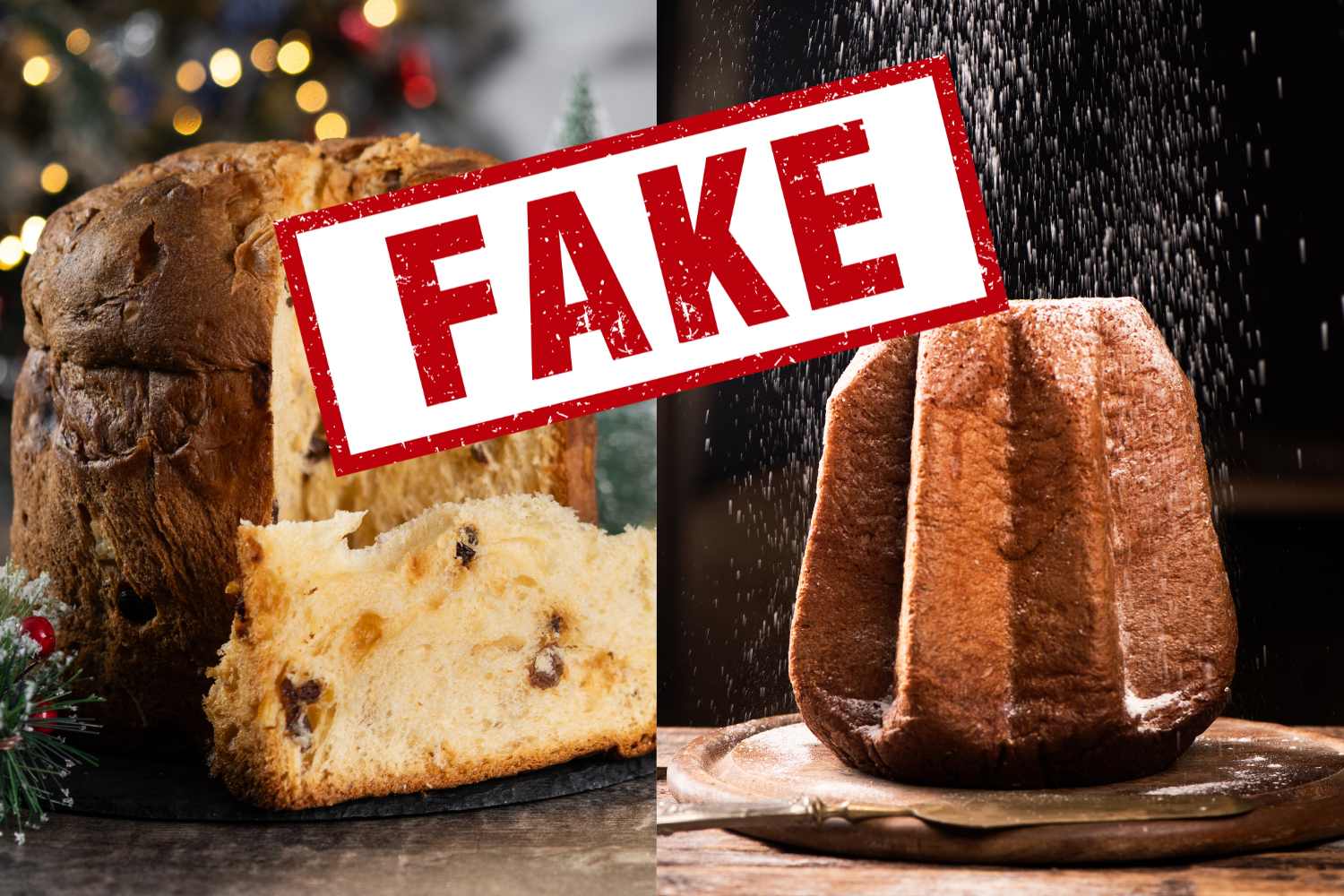
Every year, when Christmas approaches, the NAS carabinieri intensify checks on pastry shops to verify the authenticity of the great traditional leavened products: pandoro, panettone and other typical desserts. And punctually, irregularities emerge that cause discussion.
This year the surprise comes from Padua, where two pastry shops in the center were fined for passing off sweets purchased at the supermarket as artisanal. In the shop window there were pandoros and panettones sold at a high price and packaged in simple bags that looked like products from an artisan workshop, but in reality they were industrial sweets that had simply had their labels and packaging changed.
It is a striking case – comments Federica Luni, president of Appe, the association of public businesses in Padua – It confirms that the checks served to protect the consumer who must trust his trusted pastry shop: the customer must see the pastry chef with dark circles under his eyes because he got up at night to check. To make a panettone we need three days, all for a quality artisanal panettone.
The NAS controls, at the request of the Ministry of Health, concern all aspects of production: self-control manuals, purchase invoices for butter and fresh eggs, batch traceability and correct labelling. The goal is to ensure that every dessert sold is truly what it promises to be.
In the first days of December, the NAS have already carried out dozens of inspections in pastry shops, restaurants, bars and large-scale retail trade, and checks will continue throughout the Christmas period, including in nursing homes and hospitals. The discovery of these cases, although rare compared to the overall number of checks, serves as a warning: at Christmas, more than ever, it is important to choose truly artisanal products and support pastry shops that work with transparency and professionalism.
There is a lot of work behind an “artisanal” panettone, and it is worth making sure that this is really the case.
What are the incorrect pastry shops discovered by the Nas?
The names of the two pastry shops involved have not been made public, but consumers would have the right to know them. Without transparency, suspicion and mistrust risk falling even on completely correct pastry shops, penalizing those who work honestly and respecting artisan tradition.
